
Welcome to your premier destination for safe, decadent, and foolproof gluten free desserts & homemade sweet treats. At Gluten Free Journey, we believe that living a gluten free lifestyle should never mean compromising on flavor, texture, or the pure joy of a sweet treat. Whether you are baking for a celebration, managing celiac disease, or simply exploring a wheat-free diet, our curated collection of gluten free dessert recipes is designed to bring comfort and celebration back to your kitchen.
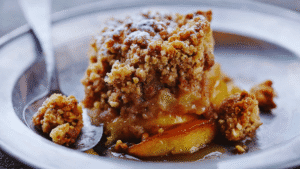
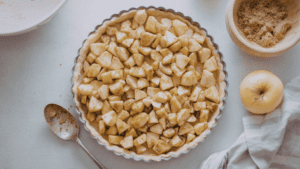
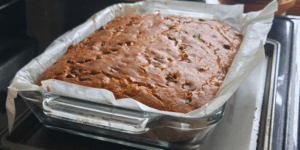
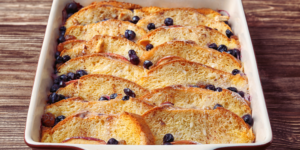
Gluten free baking often comes with a reputation for being dry, crumbly, or dense. We shatter those myths. Through rigorous recipe testing, precise flour-blend selection, and an understanding of the science behind alternative baking structures, our recipes deliver the exact tender crumb, rich moisture, and gourmet flavor you crave. From gooey chocolate chip cookies and velvety layer cakes to rich fudgy brownies, fruit-packed crisps, and elegant tarts, every recipe features step-by-step instructions, baker’s tips, and dependable ingredient swaps.
View All Gluten Free Dessert Recipes




The Art and Science of Gluten Free Dessert Baking
Mastering gluten free desserts requires a shift in how we look at ingredients. Gluten, the protein found in wheat, barley, and rye, provides elasticity, chewiness, and structural integrity to baked goods. When you remove it, you lose that natural binding network. Here is how we build exceptional texture into every dessert on our site:
1. The Power of Quality Flour Blends
Not all gluten free flours are created equal. Single flours like almond, coconut, or rice flour behave entirely differently on their own. Our recipes emphasize balanced cup-for-cup gluten free flour blends (such as gfJules, King Arthur Measure for Measure, or Bob’s Red Mill 1-to-1 Baking Flour) that incorporate starches (like potato starch or tapioca flour) and ancient grains to mimic wheat flour seamlessly.
2. Moisture and Fat Retention
Gluten free flours tend to absorb more liquid over time than all-purpose wheat flour, which can lead to dry textures if not properly balanced. We incorporate strategic moisture-boosters, such as brown sugar, pure maple syrup, applesauce, Greek yogurt, or higher ratios of butter and oil, to ensure your desserts stay melt-in-your-mouth moist for days.
3. Binders and Structure Builders
Xanthan gum is often the unsung hero of gluten free dessert baking, acting as the structural glue that replaces gluten. For gluten free recipes that are naturally gum-free or require alternative binders, we utilize eggs, chia seeds, psyllium husk, or gelatin to provide that essential elasticity without promising flavor.
Frequently Asked Questions About Gluten Free Desserts
Gluten free flours lack the protein matrix that traps moisture and holds structure. Without enough liquid, fat, or a proper starch-to-grain ratio, baked goods can dry out quickly. Using a balanced flour blend containing xanthan gum and increasing liquid content slightly helps resolve this.
Not always! Many commercial 1-to-1 gluten free flour blends already include xanthan gum. If your flour blend does not have it, you typically need to add 1/4 to 1/2 teaspoon per cup of flour for cakes, cookies, and quick breads to prevent crumbling (though it can be omitted in naturally binding recipes like shortbread or meringues).
In many modern “measure-for-measure” or “1-to-1” flour blends, yes! However, older family recipes that rely heavily on the precise hydration levels of all-purpose wheat flour may need adjustments. Adding an extra tablespoon of milk or an extra egg yolk often bridges the gap.
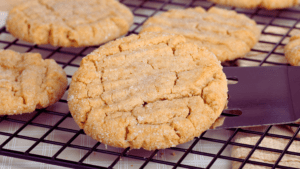
Gluten free cookie dough is often softer or denser than traditional dough. If your cookies spread too flat, chilling the dough in the refrigerator for 30–60 minutes before baking solidifies the fats. If they don’t spread enough, give them a gentle press with the palm of your hand or the bottom of a glass before popping them into the oven.
Many of our gluten free desserts can easily be made dairy-free or vegan by substituting plant-based butters (like Earth Balance or Miyoko’s), plant milks (almond, oat, or coconut milk), and flax eggs (1 tablespoon ground flaxseed mixed with 3 tablespoons water per egg) in place of traditional dairy and eggs.
Gluten free baked goods tend to stale and dry out faster than gluten-containing counterparts. Store cookies and brownies in an airtight container at room temperature with a slice of white bread inside (the bread transfers moisture to the treats). For cakes and muffins, wrap them tightly in plastic wrap or store them in an airtight container in the refrigerator for up to 5 days, or freeze them for longer storage.
Flour settling can cause huge discrepancies when measuring by volume (cups). Scooping a cup of gluten free flour can pack up to 30% more flour into your measuring cup, resulting in heavy, dense cakes and dry cookies. Using a digital kitchen scale to measure in grams ensures absolute consistency every single time.
Incorporating brown sugar (which contains molasses), sour cream, buttermilk, applesauce, or melted chocolate helps create a rich, dense, and ultra-moist crumb that rivals any traditional bakery cake. Additionally, letting your cake batter rest for 10–15 minutes before baking allows the flour to fully hydrate.
Granulated cane sugar, coconut sugar, pure maple syrup, and honey all work wonderfully in gluten free baking. Liquid sweeteners like maple syrup and honey add wonderful moisture, though you may need to reduce other liquids in the recipe slightly when using them.
A sunken center usually indicates too much leavening agent (baking powder or soda), too much liquid, or opening the oven door too early during the baking process. Gluten free batters need structural support as they rise, so avoid opening the oven until the final few minutes of baking.
Absolutely! Gluten free cookie dough balls freeze exceptionally well on a baking sheet before being transferred to a freezer bag, meaning you can bake fresh cookies on demand. Fully baked cakes, brownies, and muffins can also be wrapped tightly in plastic and foil, then frozen for up to 3 months.