There is a unique comfort found in a thick slice of gluten free zucchini bread, especially when it is still slightly warm from the oven. For those following a gluten free lifestyle, finding a gluten free recipe that replicates the exact spring and moisture of a traditional loaf can be a challenge. Many alternative flour versions end up either too dry and crumbly or excessively gummy in the middle. This recipe bridges that gap.
By synthesizing the best ratios from classic baking methods and adapting them for allergen-friendly ingredients, we have developed a dependable, flavourful gluten free zucchini bread that celebrates the versatility of the humble zucchini.
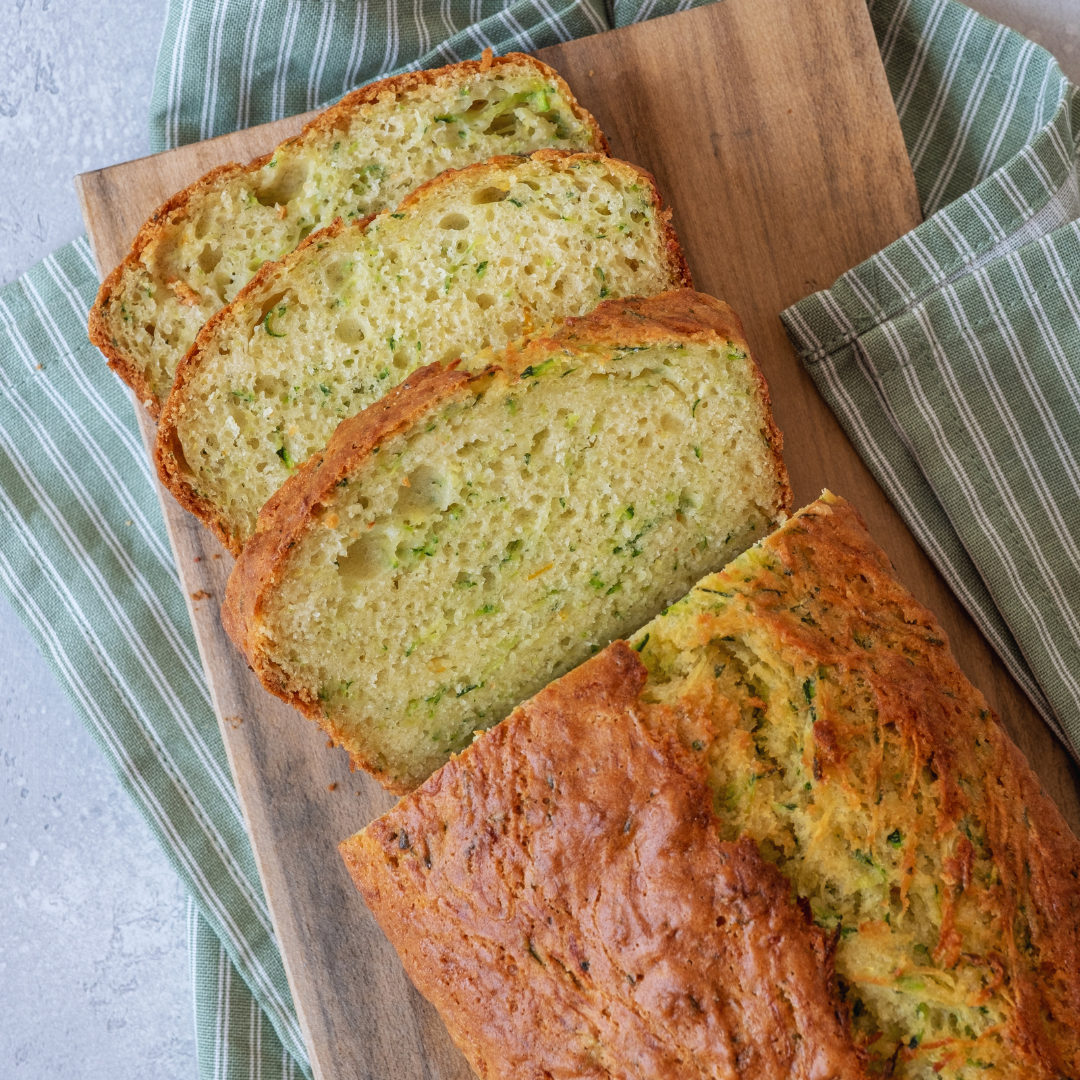
Gluten Free Zucchini Bread Recipe
Ingredients
- 1 ½ cups Gluten Free All-Purpose Flour - ensure it includes xanthan gum.
- ½ teaspoon Baking Powder
- ½ teaspoon Baking Soda
- ½ teaspoon Sea Salt
- 1 tablespoon Ground Cinnamon
- ¼ teaspoon Ground Nutmeg
- ½ cup Vegetable Oil - or melted coconut oil for a subtle flavour shift.
- ½ cup Granulated Sugar
- ½ cup Light Brown Sugar - packed for moisture.
- 1 large Egg - at room temperature.
- 2 teaspoons Pure Vanilla Extract
- 1 ½ cups Grated Zucchini - packed (squeezed of excess moisture).
- ½ cup Optional Add-ins - chopped walnuts, pecans, or dark chocolate chips.

Instructions
- Preheat and Prep: Preheat your oven to 350°F (175°C). Grease a 9×5 inch loaf pan thoroughly or line it with parchment paper, leaving an overhang on the sides for easy removal.
- Prepare the Zucchini: Grate the zucchini using the medium holes of a box grater. Place the shreds in a clean kitchen towel and squeeze gently to remove the heaviest excess water. You want it damp, not dripping, but not bone-dry. Measure out 1 ½ cups after squeezing.1 ½ cups Grated Zucchini
- Whisk Dry Ingredients: In a medium bowl, whisk together the gluten free flour, baking soda, baking powder, salt, cinnamon, and nutmeg. Ensuring these are well-combined prevents spice clumps in the finished bread.1 ½ cups Gluten Free All-Purpose Flour, ½ teaspoon Baking Powder, ½ teaspoon Baking Soda , ½ teaspoon Sea Salt, 1 tablespoon Ground Cinnamon, ¼ teaspoon Ground Nutmeg
- Mix Wet Ingredients: In a separate large bowl, whisk the oil, granulated sugar, and brown sugar until smooth. Add the egg and vanilla extract, beating until the mixture is slightly pale and fully emulsified.½ cup Vegetable Oil, ½ cup Granulated Sugar, ½ cup Light Brown Sugar, 1 large Egg, 2 teaspoons Pure Vanilla Extract
- Combine: Fold the grated zucchini into the wet ingredients. Gradually add the dry ingredients to the wet, stirring with a spatula just until no streaks of flour remain. If you are using nuts or chocolate chips, fold them in now.½ cup Optional Add-ins
- Bake: Pour the batter into the prepared loaf pan and smooth the top. Bake for 50–60 minutes. The bread is done when a toothpick inserted into the centre comes out clean or with just a few moist crumbs.
- Cool: Allow the bread to cool in the pan for 10 minutes before transferring it to a wire rack to cool completely. Slicing too early can cause gluten free bread to crumble; patience ensures a clean cut.
Nutrition
The Art of Gluten Free Zucchini Bread
Baking with zucchini is a brilliant way to ensure that gluten free treats remain moist and flavourful. Because gluten free flours, which often consist of rice flour, potato starch, and tapioca, require more hydration to prevent a dry or sandy mouthfeel, the natural water content in zucchini works to our advantage. However, the key to success lies in the preparation.
While traditional recipes often suggest simply grating the vegetable, gluten free baking benefits significantly from a “squeeze-and-measure” approach. Zucchini can vary wildly in water content depending on its size and freshness.
To ensure consistency, grate the zucchini using the medium holes of a box grater, then place the shreds in a clean kitchen towel or cheesecloth. Squeeze gently to remove the heaviest excess water until the shreds are damp but not dripping. This prevents the “sunken middle” syndrome that plagues many gluten free quick breads.
Ingredient Science: Why This Blend Works
The success of this bread relies on the interaction between the fats, sugars, and the structure of the gluten free flour. In the absence of gluten proteins, we rely on xanthan gum to provide the “stretch” and “bind” necessary to hold the crumb together.
The Leavening Duo: A combination of baking soda and baking powder is used to ensure a strong lift. Since gluten free batter is often heavier than wheat batter, this double-action leavening helps the bread rise before the structure “sets” in the heat of the oven.
The Fat Ratio: We use vegetable oil (or melted coconut oil) instead of butter to ensure the loaf stays soft even when refrigerated. Oil coats the flour particles more effectively, leading to a more tender result.
The Sugar Balance: Using a combination of granulated sugar and light brown sugar provides more than just sweetness. The molasses in the brown sugar is hygroscopic, meaning it attracts and holds onto moisture, which is vital for the longevity of a gluten free loaf.
Frequently Asked Questions About This Recipe
Yes, melted coconut oil or a light olive oil works well. If using coconut oil, ensure your egg is at room temperature so the oil doesn’t solidify when mixed into the batter.
Crumbles usually happen if the bread is sliced while still warm or if the flour blend lacks xanthan gum. Gluten free baked goods need time for the starches to fully set as they cool.
Peeling is unnecessary. The skin provides beautiful green flecks and softens completely during baking. Just be sure to wash the zucchini thoroughly to remove any garden grit.
A flax egg (1 tablespoon ground flaxseed meal mixed with 3 tablespoons water) is an excellent substitute in this specific recipe, though the rise may be slightly more modest.
This is often caused by an oven that is too hot or placing the rack too high. If the bread is browning too quickly, tent it loosely with aluminium foil for the final 15 minutes of baking.
Store in an airtight container at room temperature for up to two days. For better shelf life, slice the bread and freeze it with pieces of parchment paper between the slices for up to three months.

Finding a gluten free zucchini bread that doesn’t turn out gummy in the middle is rare, but the science behind this recipe is spot on. Controlling the liquid from the zucchini is key, and the baking powder/soda duo gave it an excellent lift. It baked up with a gorgeous golden top and a soft, pillowy center. It’s sturdy enough to slice cleanly without crumbling into a million pieces. 10 out of 10!
I’m relatively new to gluten free baking and always get nervous about texture, but the instructions on this recipe were so clear and easy to follow. Whisking the dry ingredients thoroughly to prevent spice clumps and using vegetable oil instead of butter kept the loaf incredibly soft, even after keeping it in the fridge. I added some dark chocolate chips into the batter, and it was a massive hit with the kids! Foolproof and so easy for beginners.
Wow, the flavor on this loaf is spectacular! I love that it’s a spice-forward recipe, the combination of a full tablespoon of cinnamon with the nutmeg gives it such a warm, comforting aroma while it bakes. I used a standard 1-to-1 gluten free baking flour with xanthan gum as suggested, and it rose beautifully. It pairs perfectly with a morning cup of tea. Highly recommend!
I have tried so many gluten free quick bread recipes that end up either bone-dry or like a brick, but this one is absolute perfection. The tip about using a kitchen towel to squeeze just the right amount of moisture out of the zucchini is a total game-changer. It came out incredibly moist with the perfect crumb. My husband, who doesn’t eat gluten free, couldn’t even tell the difference! This is officially my go-to zucchini bread recipe.
We had an abundance of garden zucchini to use up, and I am so glad I found this recipe on Gluten Free Journey! The brown sugar gives it a deep, rich moisture that holds up perfectly over a few days. I threw in some chopped walnuts for a nice crunch. It’s incredibly satisfying to find a recipe that lets us enjoy a classic homemade staple without any of the gluten. Will be making this all summer long!