The quest for the perfect slice of gluten free bread is a fundamental part of the Celiac journey. From navigating the frozen aisles of Canadian grocers to mastering the delicate science of home-baked loaves, this guide offers a comprehensive look at the best brands, essential storage tips, and the culinary secrets to achieving a soft, non-crumbly texture. Whether you are looking for a quick sandwich solution or a gourmet artisan boule, we provide the tools to make your gluten free kitchen a place of joy rather than compromise.
Our Guide to Gluten Free Bread: Finding The Perfect Slice
For many of us diagnosed with Celiac disease or gluten sensitivity, the loss of “real” bread is often the hardest pill to swallow. We remember the aroma of a fresh baguette or the soft, pillowy texture of a classic white sandwich loaf. Early gluten free alternatives often left much to be desired, frequently described as dry, gritty, or resembling a brick more than a snack. However, the landscape in Canada has shifted dramatically. Today, we have access to incredible innovations in food science that allow us to enjoy toast, sandwiches, and even French toast without the gluten, but with all the flavour.
Navigating the Canadian Grocery Aisle
In Canada, we are fortunate to have a mix of homegrown heroes and international giants filling our shelves. When you walk into a Loblaws, Sobeys, or a local health food store, the selection can be overwhelming.
Little Northern Bakehouse, hailing from Abbotsford, BC, has become a staple for many Canadian families. Their “Wide Slice” loaves are a game-changer because they actually fit in a standard toaster and provide enough surface area for a proper sandwich. They are also plant-based and non-GMO, making them a top choice for those with multiple sensitivities.
Schar remains the gold standard for variety. Based in Europe but widely available across Canada, they offer everything from sourdough boules to ciabatta rolls and even gluten free baguettes. Their shelf-stable packaging is particularly useful for travel or for keeping a “backup” loaf in the pantry.
Other notable mentions include Promise Gluten Free, often found in the bakery section rather than the freezer. Their loaves have a remarkably high fibre content and a texture that mimics traditional Irish soda breads or soft multigrain loaves. For those looking for a thinner, more flexible option, O’Doughs offers sandwich “thins” that are excellent for packing in school lunches.
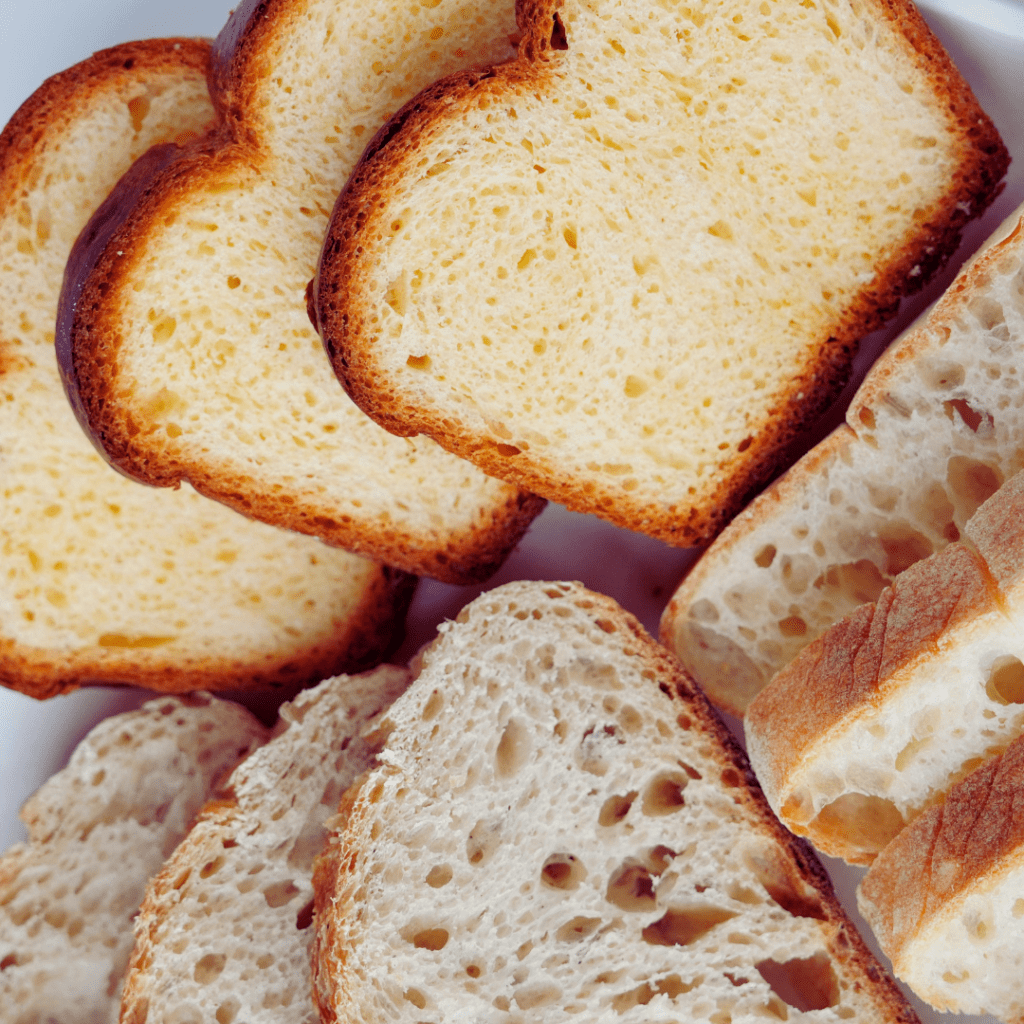
Discover Gluten Free Bread Options
-
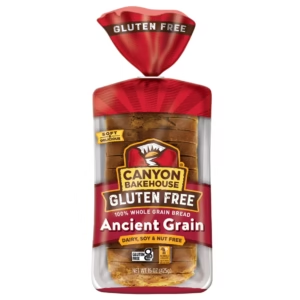
Canyon Bakehouse Ancient Grain Gluten Free Bread
-
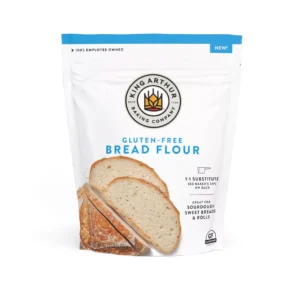
Gluten-Free Bread Flour from King Arthur Baking
-
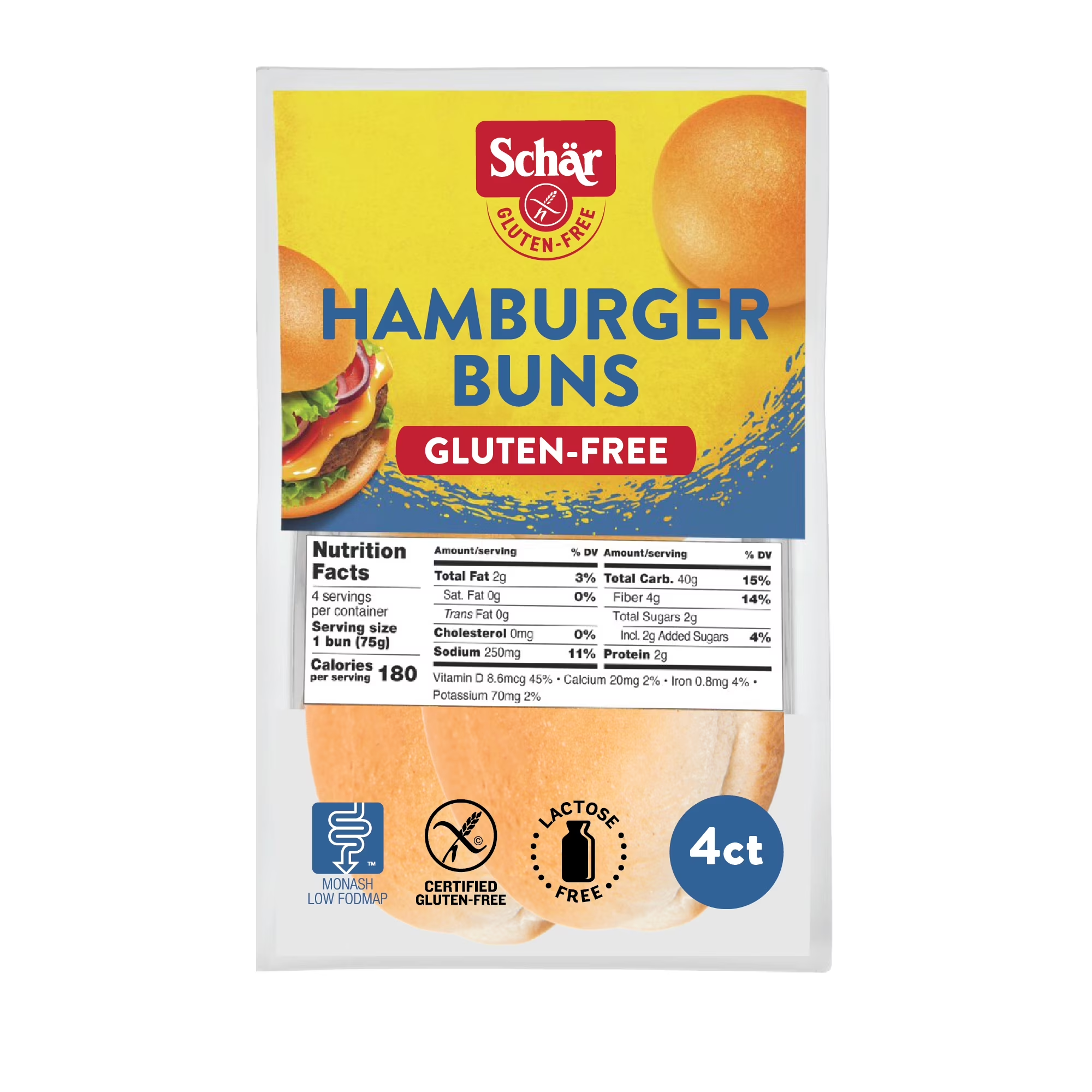
Schar Gluten Free Hamburger Buns
-
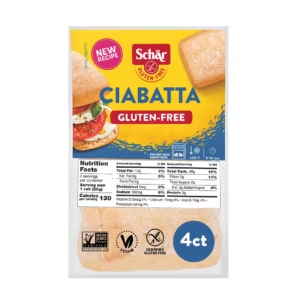
Schar Gluten Free Ciabatta
-

Little Northern Bakehouse Gluten Free Breads
-
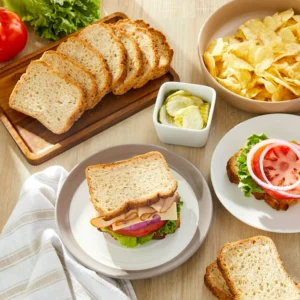
Sam’s Choice Gluten-Free Multigrain Bread
-

Sam’s Choice Gluten-Free White Bread
-
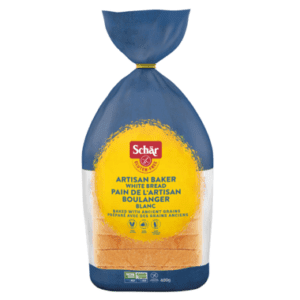
Schar Gluten Free Artisan Baker White Bread
The Science of the Crumb: Why Gluten Free is Different
To appreciate a good gluten free loaf, one must understand what is happening under the crust. Gluten is the protein in wheat, barley, and rye that acts as the “glue” in baking. It provides elasticity, allowing dough to stretch and trap the carbon dioxide bubbles produced by yeast. Without this protein, bakers must turn to a sophisticated blend of starches and binders.
Most successful gluten free breads rely on a combination of rice flour (for structure), tapioca or potato starch (for lightness and “chew”), and binders like xanthan gum or psyllium husk. Psyllium husk, in particular, has revolutionized gluten free baking by providing a more flexible, bread-like structure that doesn’t crumble the moment it meets a serrated knife.
Mastering Home Baking
While store-bought options are convenient, there is something uniquely rewarding about baking your own bread. If you are just starting your journey, a bread machine with a dedicated “Gluten Free” setting is a worthwhile investment. Unlike wheat bread, which requires multiple kneading and rising cycles, gluten free dough only needs one long rise. Over-kneading can actually break down the fragile structure of the binders.
One tip for home bakers: Hydration is key. Gluten free dough should look more like a thick cake batter than a traditional ball of dough. This high moisture content is what prevents the bread from turning into a dry mess the next day. Using a high-quality blend like King Arthur Baking Gluten Free Bread Flour can take the guesswork out of the process, as it is specifically formulated to provide the right protein-to-starch ratio.
Try These Gluten Free Recipes at Home!
Feeling up to the challenge to make gluten free recipes at home from scratch? We salute you, and share a selection of popular gluten free bread inspired recipe alternatives below!
Gluten Free Sandwich Bread Recipe
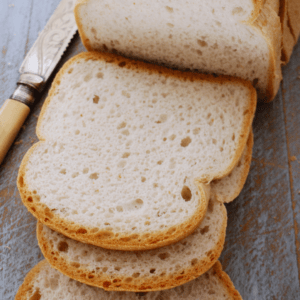
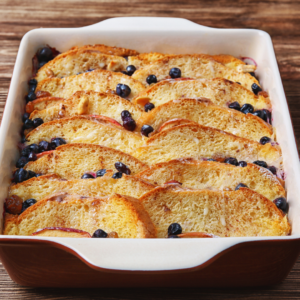
Gluten Free Bread Pudding Recipe
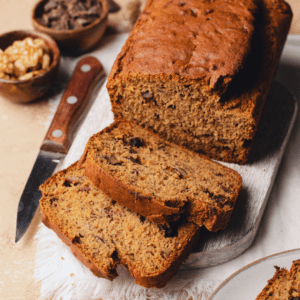
Gluten Free Banana Bread Recipe
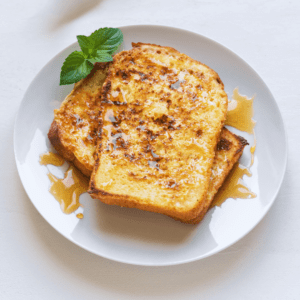
Gluten Free French Toast
The Toaster Mandate and Storage Secrets
If there is one golden rule in the gluten free world, it is this: When in doubt, toast it. Because gluten free starches behave differently when cold, bread can often feel “stale” even when fresh. Toasting gelatinizes the starches, restoring softness to the interior and providing a satisfying crunch to the exterior.
Storage is equally critical. Because many gluten free breads lack the preservatives found in commercial wheat bread, they can mould quickly at room temperature.
- The Freezer is Your Friend: Slice your bread before freezing if it isn’t already. Store it in a heavy-duty freezer bag.
- Toast from Frozen: You do not need to thaw your bread. Most modern toasters have a “frozen” setting that will perfectly revive a slice in minutes.
- Avoid the Fridge: The refrigerator actually pulls moisture out of the bread, making it go stale faster. It’s either the counter (for 48 hours) or the freezer.
Nutritional Considerations
Many people assume “gluten free” automatically means “healthy,” but it is important to read the labels. To achieve a good texture, some brands use high amounts of sugar and fat. At Gluten Free Journey, we encourage looking for breads fortified with vitamins and minerals. Since many Celiacs struggle with nutrient absorption, choosing a loaf that includes ancient grains like quinoa, teff, or buckwheat can provide a much-needed boost of iron and B vitamins.
Avoiding Cross-Contamination in the Kitchen
For those with Celiac disease, the bread itself is only half the battle. If you live in a shared household, your gluten free bread can easily be contaminated by crumbs from wheat bread.
The safest practice is to have a dedicated gluten free toaster. If space is an issue, consider “toaster bags”—reusable pouches that protect your slice from contact with the toaster’s internal elements. Use separate butter knives and avoid “double-dipping” into jars of jam or peanut butter that have seen wheat crumbs.
Creative Ways to Use “Old” Bread
Gluten free bread is expensive, and we hate to see a single crumb go to waste. If you have heels or slices that have become too dry, they are perfect candidates for transformation.
- Gluten Free Bread Pudding: Soak the cubes in a custard of eggs, milk, and cinnamon for a decadent dessert.
- Homemade Croutons: Toss cubes with olive oil and herbs, then bake until crisp.
- Breadcrumbs: Pulse dry slices in a food processor and store them in the freezer for your next chicken schnitzel or meatloaf.
Frequently Asked Questions About Gluten Free Bread
Without gluten to provide a strong structure, the dough cannot support its own weight if the loaf is too large. Smaller loaves ensure the bread rises properly and doesn’t collapse in the centre during the baking process.
No. While fermentation reduces the amount of gluten in wheat bread, it does not remove it entirely. For someone with Celiac disease, even a tiny amount of residual gluten can cause damage. Always look for bread specifically labelled Gluten Free Sourdough.
Large air pockets (tunnelling) are usually caused by the dough rising too quickly or having too much yeast. In gluten-free baking, it can also happen if the “batter” is too thin or if it wasn’t smoothed down into the pan properly.
Generally, no. Traditional bread recipes rely on the elasticity of gluten. You need a recipe specifically designed for gluten-free flour, which will account for the higher hydration and the need for binders like xanthan gum.
Brands like Promise Gluten Free and Little Northern Bakehouse (Wide Slice) have made great strides in creating “soft-touch” breads that can be eaten straight from the bag. However, for the best experience, a light toast is almost always recommended.
No. A product can be wheat-free but still contain barley or rye, both of which contain gluten. Always look for the certified gluten-free symbol or a clear “Gluten Free” label.