Whether you are managing celiac disease, navigating a non-celiac gluten sensitivity, or shopping for a household member, finding safe and satisfying bread options is a top priority. We believe that eliminating wheat should never mean settling for dry, crumbly loaves that fall apart in your hands or lack the comforting flavour and texture of traditional bakery items.
In this comprehensive resource, we focus exclusively on gluten free bread, exploring our dedicated gluten free bread recipes, reviewing top-tier brands available across Canada, and expanding our horizon to highlight leading global gluten free bread brands from around the world.
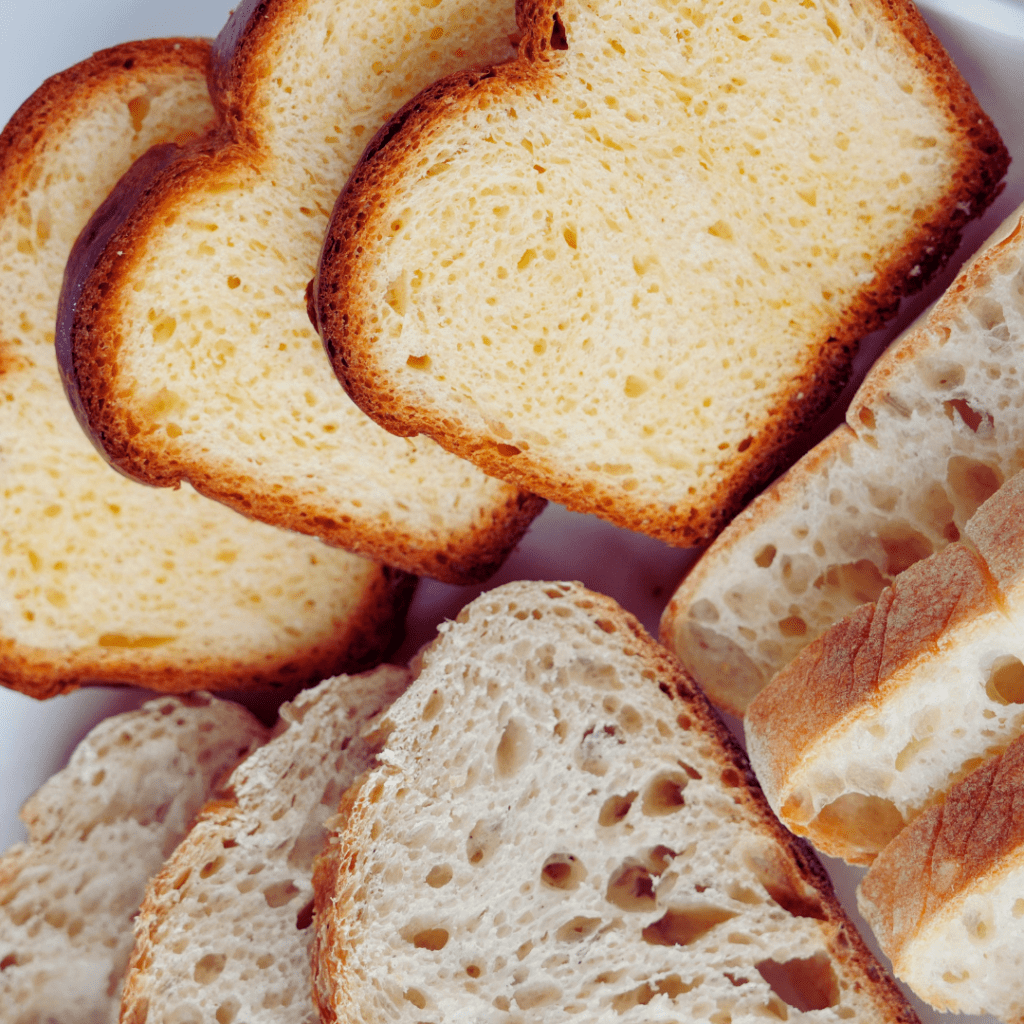
Our curated selection and brand reviews at Gluten Free Journey focus strictly on packaged, artisan, and homemade loaves that meet uncompromising quality and safety benchmarks. Every product and recipe we feature is evaluated against rigorous criteria:
- Facility Safety: Sourced from dedicated gluten free facilities or certified manufacturing lines to eliminate cross-contamination with wheat, barley, rye, or other gluten-containing grains.
- Texture and Crumb Integrity: Replicating the spring, moisture, and slice structure of traditional wheat bread without a chalky or gritty aftertaste.
- Nutritional Density: Highlighting brands and recipes that incorporate whole pseudograins and ancient grains such as millet, sorghum, quinoa, buckwheat, and brown rice alongside beneficial dietary fibre.
- Global and Local Availability: Featuring Canadian household favourites alongside standout international brands found around the world.
The Science of Bread Without Wheat
Transitioning to a gluten free lifestyle often starts with replacing bread, which remains a staple of everyday meals across Canada. Traditional baking relies heavily on gluten, a complex network of storage proteins found in wheat, barley, and rye, to trap carbon dioxide gas produced by yeast during fermentation and proofing. This elastic protein matrix gives conventional bread its characteristic rise, chewy texture, and structural strength.
When producing bread without wheat, commercial bakeries and home bakers must entirely reinvent this biochemical process. Without gluten proteins to form a natural webbing, makers combine alternative whole grain flours and starches, such as brown rice flour, sorghum flour, tapioca starch, potato starch, teff flour, and arrowroot, with functional binding agents like psyllium husk, xanthan gum, or egg whites. These ingredients work together synergistically to retain moisture, trap air bubbles, and provide the bounce and structural integrity expected in a proper sandwich loaf. Understanding this science helps explain why certain loaves perform better in the toaster or hold up to heavy fillings.
Furthermore, because gluten free dough behaves differently than conventional wheat dough, often resembling a thick batter or heavy drop-dough rather than a kneadable elastic mass, bakers must pay meticulous attention to hydration levels and pan dimensions. Achieving an authentic crumb structure requires precise measurements and the right balance of starches to prevent the interior from becoming gummy or dense.
Answering Core Consumer Questions
When shoppers navigate grocery aisles or search online databases, certain questions arise repeatedly. Here is how to answer them with confidence and clarity:
What Bread Is Gluten Free?
True gluten free bread is manufactured entirely without wheat, barley, rye, or any derived hybrid grains. To be considered safe for individuals with celiac disease, the product must be produced in a controlled environment and tested to ensure gluten levels remain below strict regulatory thresholds, typically under 20 parts per million (ppm). Reading ingredient labels carefully is essential, as terms like “wheat starch” or “malt flavouring” indicate the presence of gluten unless explicitly certified otherwise by a recognized third-party organisation.
What Is a Good Gluten Free Bread?
A good gluten free bread is defined by its ability to hold together without disintegrating when bent, its lack of an overly gummy or chalky texture, and a pleasant, neutral flavour profile that complements both sweet and savoury toppings. The best options on the market mimic the density and slice size of standard commercial loaves, making them suitable for lunchboxes, French toast, and hearty paninis without requiring excessive preparation or heavy spreads to mask dryness.
What Breads Are Gluten Free?
Commercially available gluten free breads span several categories, including soft sandwich white loaves, hearty multigrain varieties, sourdoughs, seeded artisan boules, and sprouted grain options. Because manufacturing methods vary significantly across gluten free bread companies, checking for third-party certifications, such as the Gluten-Free Certification Organization (GFCO) seal or Canadian Celiac Association recognition, provides the highest level of assurance for everyday grocery shopping.
Featured Gluten Free Bread Recipes
For those who love the aroma of freshly baked bread filling the kitchen, making your own loaf at home offers unmatched freshness, customisation, and control over ingredients. Here are our cornerstone bread recipes developed specifically for the Gluten Free Journey community:
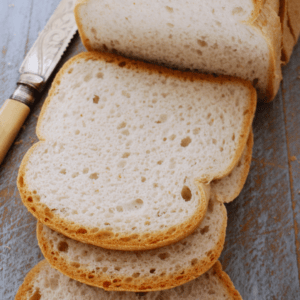
Gluten Free Sandwich Bread Recipe
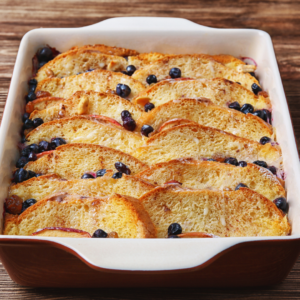
Gluten Free Bread Pudding Recipe
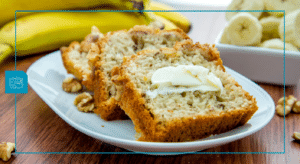
Gluten Free Banana Bread Recipe
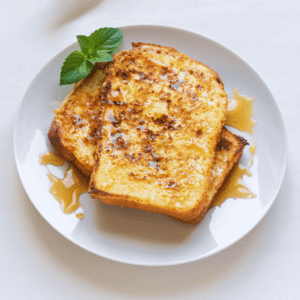
Gluten Free French Toast
Leading Canadian and Global Gluten Free Bread Brands
The marketplace for gluten free bread brands has expanded from local specialty bakeries into a thriving global industry. Whether you are shopping locally in Canadian grocery stores or exploring specialty imports, several standout gluten free bread companies have mastered the art and science of wheatless baking:
Canadian and North American Favourites
- Little Northern Bakehouse (Canada / USA)
Recognized for plant-based, non-GMO ingredients and robust loaf sizes, Little Northern Bakehouse offers hearty multigrain, white, and sprouted loaves that toast evenly and hold up exceptionally well to heavy sandwich fillings. Their commitment to allergen-friendly manufacturing makes them a household staple across Canadian provinces. - Promise Gluten Free (Ireland / International Availability in Canada)
A favourite for those who miss traditional brioche and soft sandwich textures. Promise Gluten Free utilizes unique moisture-retaining fermentation techniques to eliminate the dryness historically associated with wheatless baked goods, delivering a soft crumb that rivals conventional bakery bread. - Canyon Bakehouse (USA)
Celebrated for ancient grain varieties and soft textures that do not require heavy toasting to become palatable. Their heritage-style mountain white loaves offer a rich, satisfying crumb and reliable slice structure that satisfies the whole family.
International and Global Brands
- Schär (Italy / European and Global Leader)
Widely distributed across Europe, North America, and Australia, Schär provides reliable white, multigrain, and sourdough artisan loaves that feature classic European baking standards and dependable shelf stability, making them accessible to travellers and expatriates alike. - BFree (Ireland / Global Distribution)
Known for producing high-fibre, allergen-friendly, dairy-free, and vegan-friendly loaves and sourdoughs designed with clean, wholesome ingredients that cater to multiple dietary needs simultaneously without sacrificing taste. - Venerdi (New Zealand / Australia)
A beloved Australasian brand recognized for organic, paleo, and nutrient-dense seeded loaves that prioritize whole-food ingredients and exceptional structural integrity without artificial additives or chemical preservatives.
-

Gluten-Free Bread Flour from King Arthur Baking
-
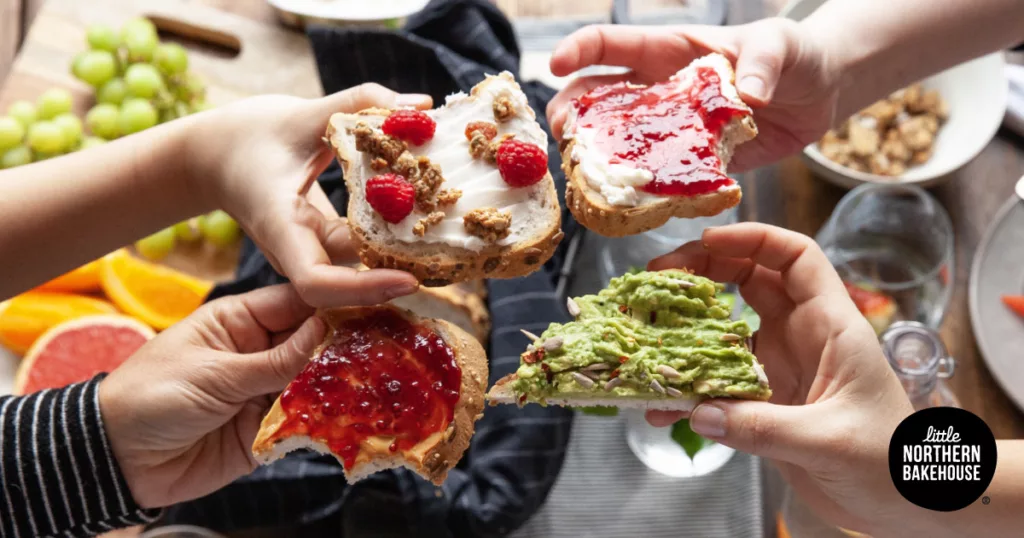
Little Northern Bakehouse Gluten Free Breads
-
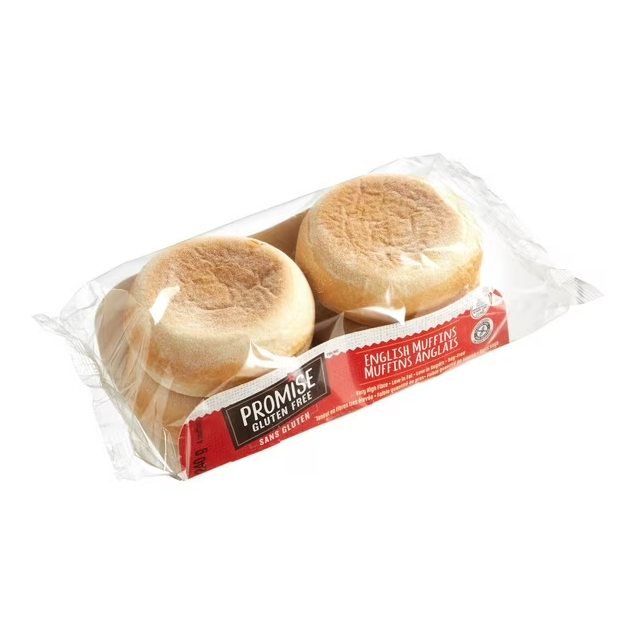
Promise Gluten Free English Muffins
-
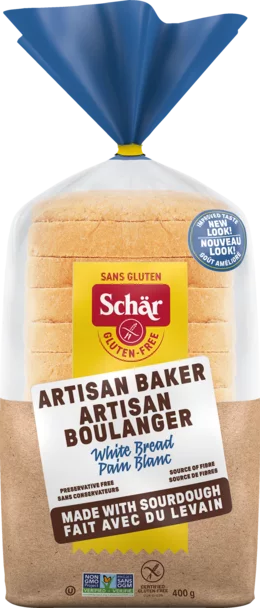
Schär Gluten Free Artisan Baker White Bread
-
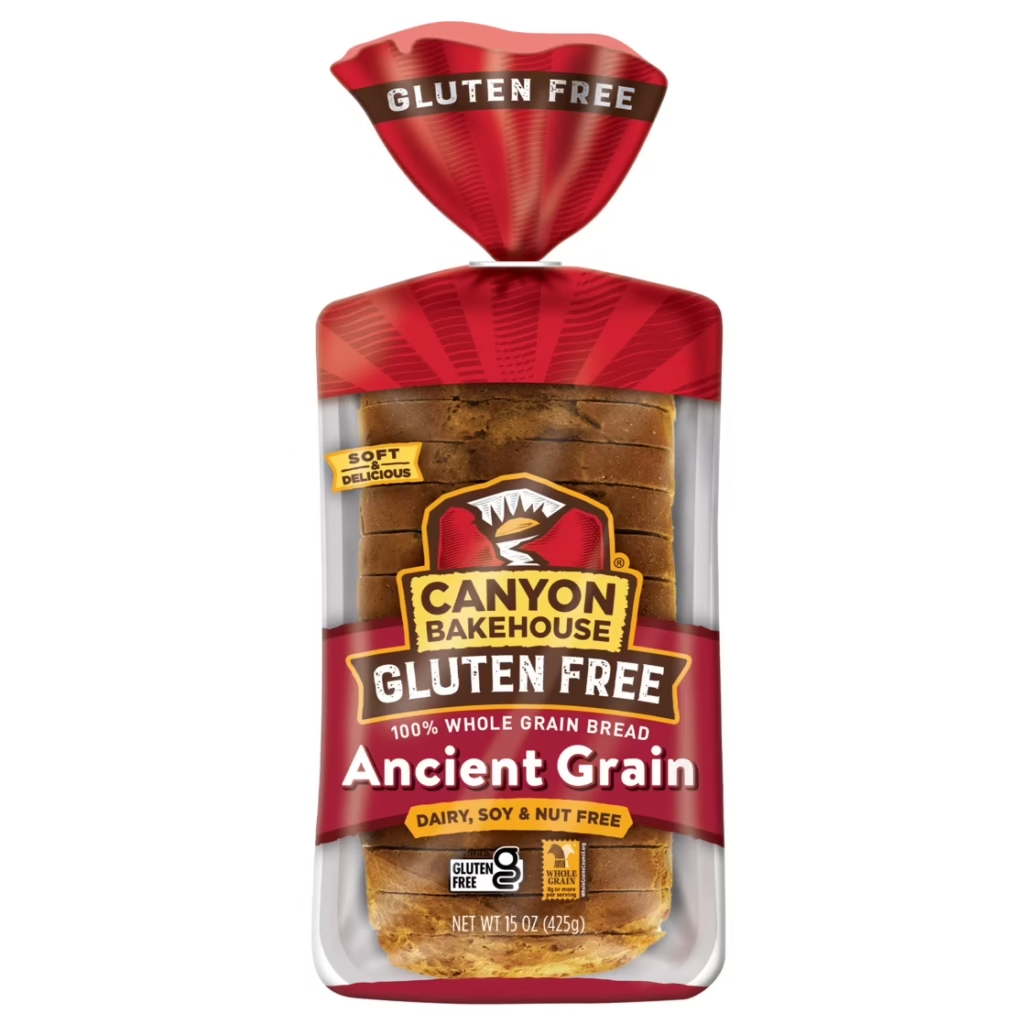
Canyon Bakehouse Ancient Grain Gluten Free Bread
-
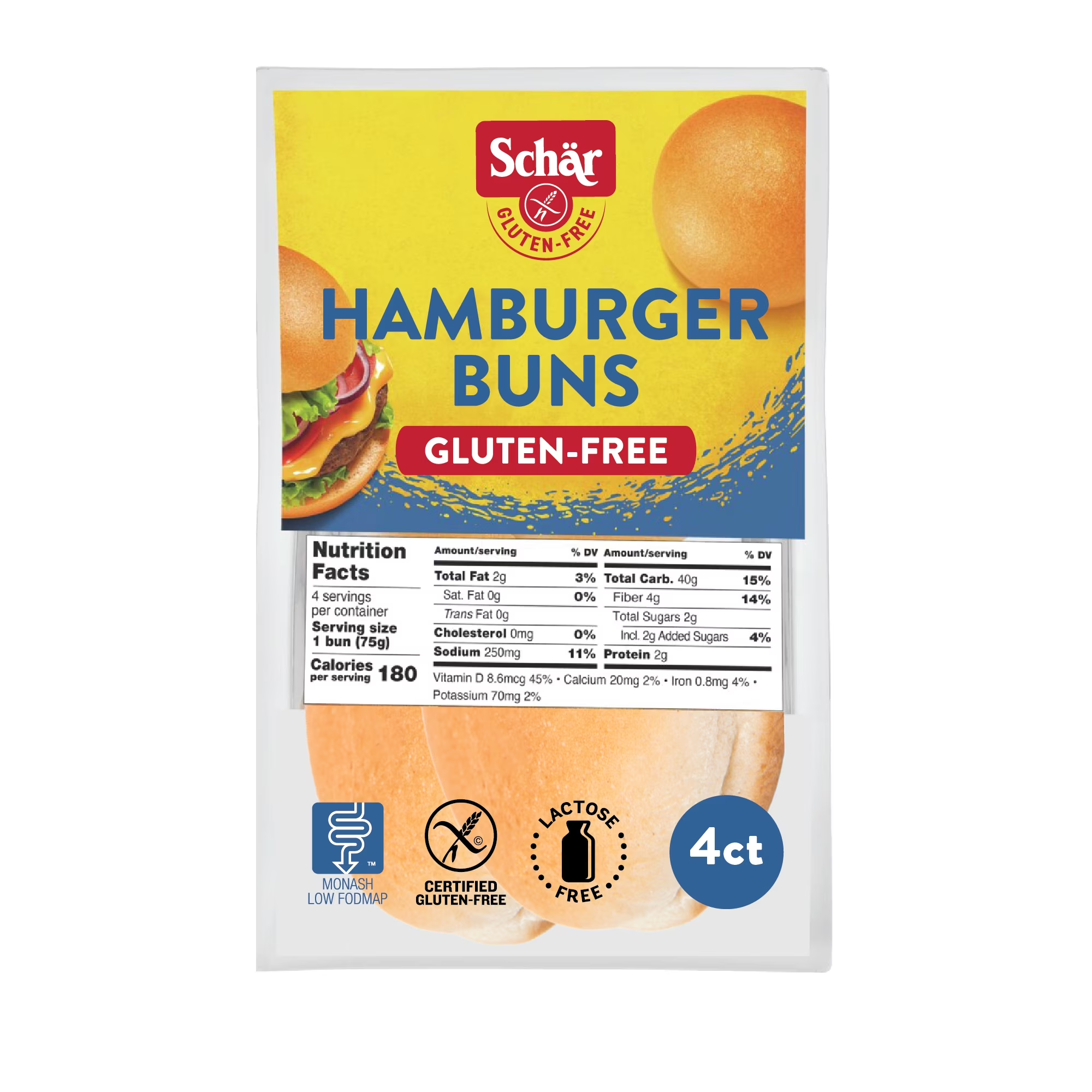
Schar Gluten Free Hamburger Buns
-
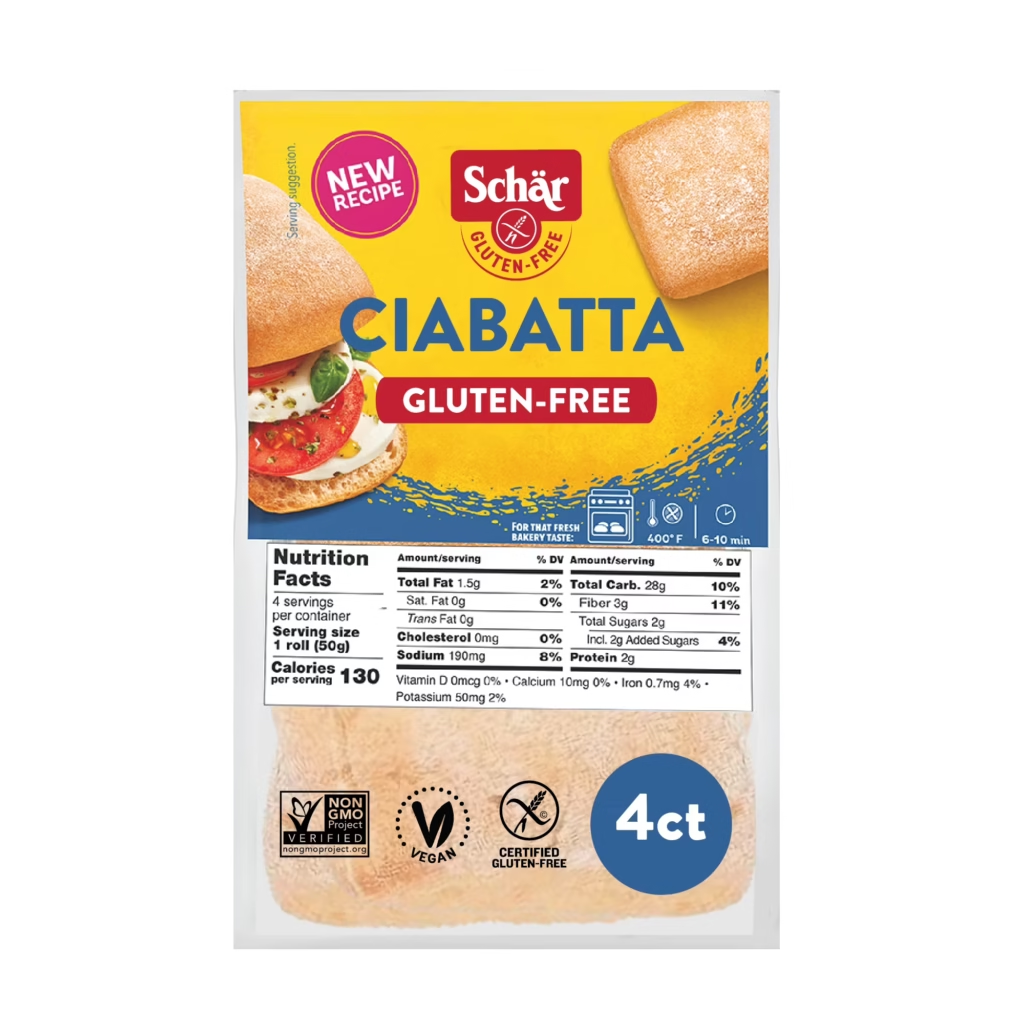
Schar Gluten Free Ciabatta
-
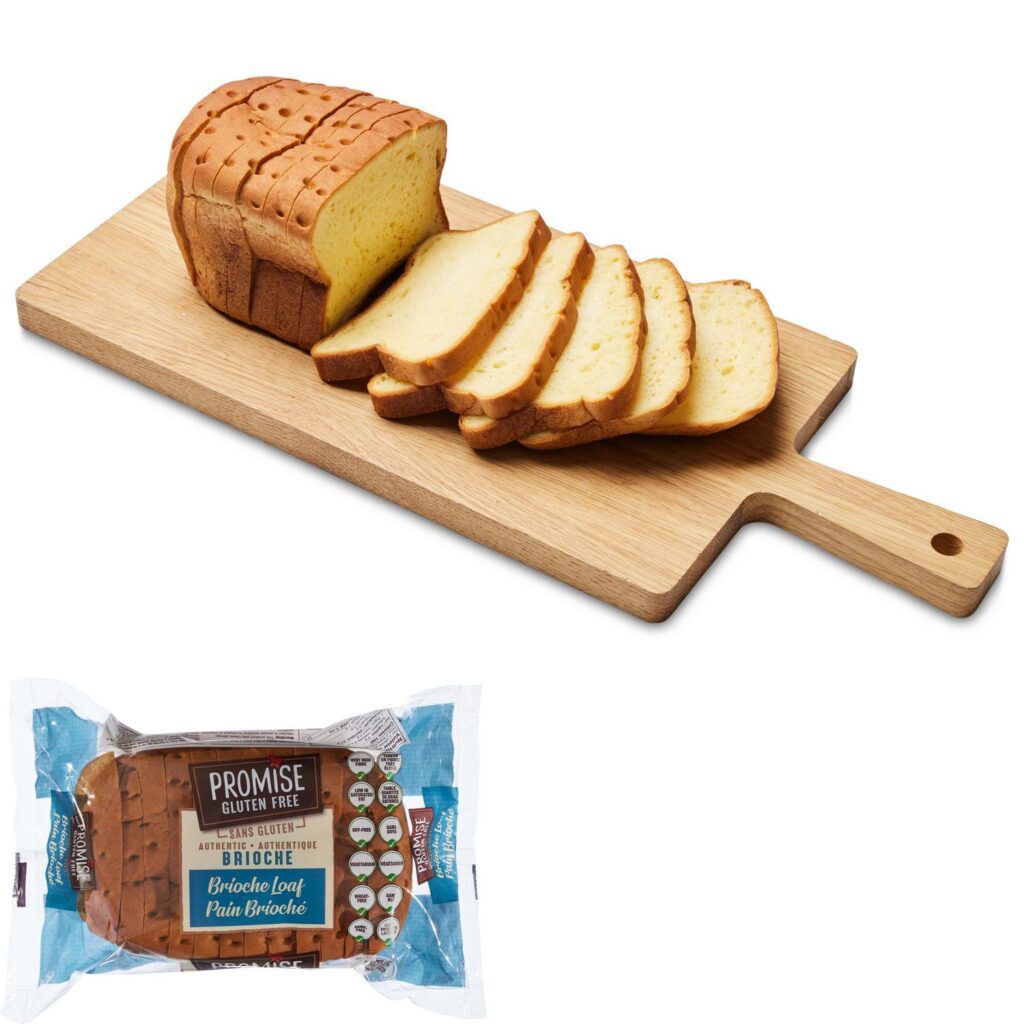
Promise Gluten Free Brioche Loaf
-
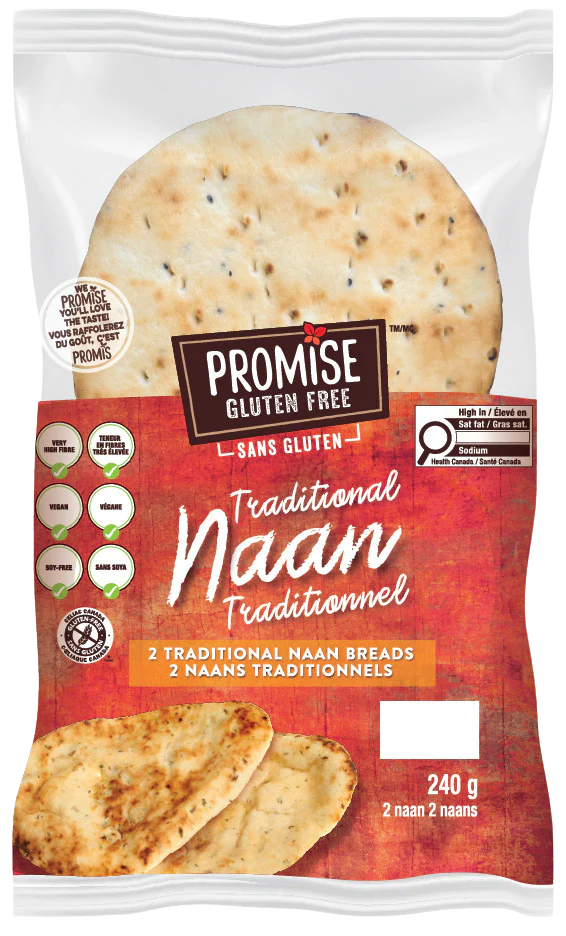
Promise Traditional Naan
Storage and Handling Best Practices
Because wheatless bread lacks artificial preservatives and moisture-retaining gluten proteins, it behaves differently than conventional bakery items and can dry out or stale rapidly if stored incorrectly. Implementing proper storage techniques ensures every slice remains fresh and enjoyable throughout the week:
- Room Temperature Limits: If you consume your loaf within two to three days, store it in an airtight container or breathable paper bread bag in a cool, dry pantry away from direct sunlight. Avoid humid areas, as gluten free loaves are particularly susceptible to mold formation due to their natural moisture balance.
- The Power of Freezing: For longer storage, slice the entire loaf immediately after purchase or cooling from baking and place the slices directly into an airtight freezer bag. You can pull individual slices out as needed and toast them straight from frozen, locking in peak freshness.
- Toasting is Key: Applying heat reactivates the starches and plant gums in gluten free bread, softening the crumb and restoring a pleasant, pliable texture that rivals fresh-baked wheat goods. A quick trip through the toaster transforms a firm slice into a warm, inviting canvas for your favourite spreads and toppings.
Frequently Asked Questions About Gluten Free Bread
Because gluten free dough lacks the elastic protein structure required to support massive gas bubbles during rising, heavier dough weights result in smaller, denser loaves that prevent structural collapse in the baking pan.
No. While fermentation reduces the amount of gluten in wheat bread, it does not remove it entirely. For someone with Celiac disease, even a tiny amount of residual gluten can cause damage. Always look for bread specifically labelled Gluten Free Sourdough.
Large air pockets (tunnelling) are usually caused by the dough rising too quickly or having too much yeast. In gluten-free baking, it can also happen if the “batter” is too thin or if it wasn’t smoothed down into the pan properly.
Generally, no. Traditional bread recipes rely on the elasticity of gluten. You need a recipe specifically designed for gluten-free flour, which will account for the higher hydration and the need for binders like xanthan gum.
Brands like Promise Gluten Free and Little Northern Bakehouse (Wide Slice) have made great strides in creating “soft-touch” breads that can be eaten straight from the bag. However, for the best experience, a light toast is almost always recommended.
No. A product can be wheat-free but still contain barley or rye, both of which contain gluten. Always look for the certified gluten-free symbol or a clear “Gluten Free” label.
Not necessarily. While a product may contain no wheat ingredients, it could be processed on shared equipment that also handles wheat products, leading to cross-contamination. Always look for explicit certification badges on the packaging.
Toasting the bread lightly before assembly creates a firmer structural barrier. Additionally, spreading condiments evenly to the edges helps seal the crumb and maintain moisture balance throughout the meal.