

For many of us on a gluten free journey, the perfect slice of pie often feels like a distant memory. We have all settled for frozen crusts that taste like cardboard or restaurant options that leave us worrying about cross-contamination. But creating a high-quality, delicious pizza crust in your own kitchen is not only possible, it is surprisingly simple.
This pizza dough recipe focuses on accessible ingredients and straightforward techniques to help you reclaim pizza night with absolute confidence. Whether you are searching for a reliable gluten free pizza recipe or exploring how to make gluten free pizza dough from scratch, this method delivers dependable, mouthwatering results every single time.
Recreating traditional pizzeria-style texture at home can feel like a challenge when you are managing dietary restrictions. However, finding a reliable gluten free pizza recipe transforms pizza night from a compromise into a culinary highlight. If you have ever struggled with crumbly, cardboard-like bases, this foundational gluten free pizza dough formula is designed to change your baking routine completely. Let us dive into how to make gluten free pizza dough that rises properly, stretches smoothly, and bakes up with golden, bubbling edges.
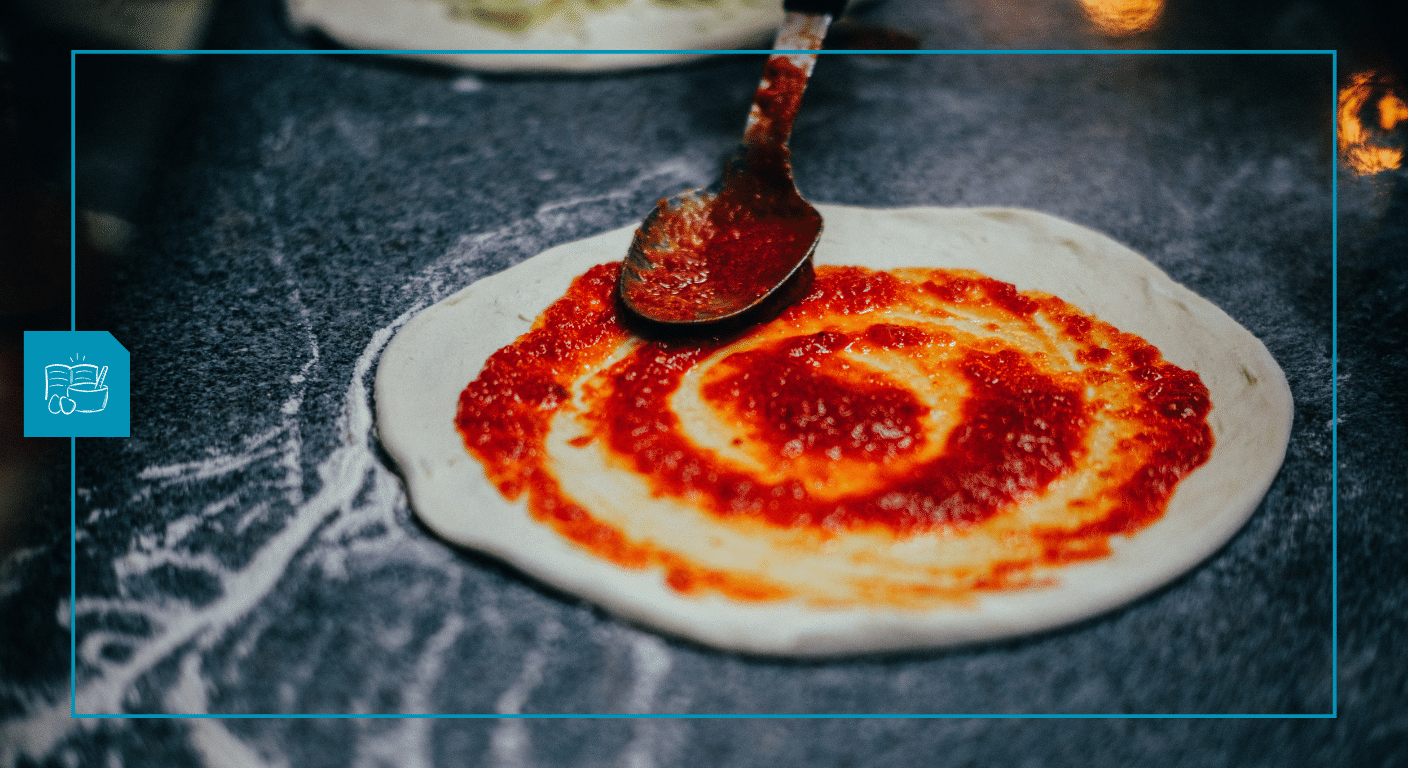
Gluten Free Pizza Dough Recipe
Ingredients
- 1-3/4 to 2 ¼ cups all-purpose gluten free flour
- 2 ¼ teaspoons gluten free yeast
- ⅔ cup very warm water
- 3 tablespoons oil
- 1-1/2 teaspoon sugar
- ¾ teaspoon salt
- 1 can pizza sauce *watch for gluten free labels

Instructions
- Preheat oven to 425 degrees
- Combine 1 cup gluten free flour, undissolved yeast, sugar and salt in a large bowl1-3/4 to 2 1/4 cups all-purpose gluten free flour, 2 1/4 teaspoons gluten free yeast, 1-1/2 teaspoon sugar, 3/4 teaspoon salt
- Add water and oil2/3 cup very warm water, 3 tablespoons oil
- Mix until well blended, about 1 minute
- Add gradually, enough remaining flour to make a soft dough ball1-3/4 to 2 1/4 cups all-purpose gluten free flour
- Dough will be slightly sticky
- Knead on a floured surface adding additional flour if needed, until smooth and elastic; about 4 minutes.
- Pat dough with floured hands to fill greased pizza pan OR roll dough on a floured counter to 12-inch circle/square
- Top as desired with pizza sauce, toppings and cheese1 can pizza sauce
- Bake on lowest oven rack for 15-20 minutes, until cheese is bubbling and crust is browned.
The Science of Great Gluten Free Pizza Baking
Baking a successful homemade pizza without wheat flour requires understanding how substitute starches and binders interact. Traditional wheat dough relies heavily on gluten networks to trap gas, create structural elasticity, and provide that characteristic chew. When working on a dependable gluten free pizza dough, we must replicate those physical properties using alternative flours, starches, and hydrocolloids like xanthan gum.
Balancing your dry ingredients correctly prevents the heavy, dense texture that often plagues commercial gluten free mixes. By combining high-protein flours with light starches such as tapioca or potato starch, you achieve a delicate balance that browns evenly in a hot home oven. This thoughtful formulation ensures your finished gluten free pizza crust holds up under generous layers of sauce, melted cheese, and hearty toppings without becoming soggy or limp.
Choosing Your Flour Blend and Binders
Achieving professional results starts in your pantry. Single-origin flours, such as plain rice flour or coconut flour, rarely yield an appealing texture on their own. Instead, a well-calibrated blend provides the structural integrity needed for a robust gluten free pizza crust recipe.
- Base Flours: Brown rice flour or sorghum flour provide an earthy, wholesome foundation with solid structural protein content.
- Starches: Tapioca starch (or tapioca flour) and potato starch introduce stretch, flexibility, and a crisp golden exterior when exposed to high heat.
- Binders: Xanthan gum or psyllium husk powder act as the structural glue, trapping air bubbles from the yeast fermentation process and preventing your baked goods from crumbling apart.
Step-by-Step Execution: Mastering the Technique
Mastering how to make gluten free pizza dough is less about intense physical kneading and more about proper hydration and resting times. Because alternative starches absorb moisture differently than wheat, the dough often starts out wetter and stickier than standard yeast doughs.
- Activate the Yeast: Dissolve active dry yeast in warm water with a pinch of sugar or honey, allowing it to froth and signal active fermentation.
- Whisk the Dry Ingredients: Thoroughly combine your flours, starches, salt, and xanthan gum in a large mixing bowl to ensure even distribution of the binder.
- Combine and Mix: Incorporate your liquid mixture along with a splash of olive oil and a dash of apple cider vinegar, which acts as a dough conditioner to enhance the rise.
- Rest and Hydrate: Let the dough rest for fifteen to twenty minutes. This resting phase allows the starches to fully absorb the liquids, transforming a sticky paste into a manageable, pliable dough.
Shaping and Handling Tips
Unlike traditional doughs that can be tossed into the air, gluten free alternatives require a gentler touch. To shape your gluten free pizza dough without frustration, lightly oil your hands or place the dough between two sheets of parchment paper. Press outward from the centre with your fingertips, working the dough evenly toward the edges to form a slight outer crust rim.
Transferring the dough directly on its parchment paper onto a preheated pizza stone or baking sheet makes sliding the unbaked pie into the oven completely seamless. Once the base has partially baked for a few minutes, you can slide out the parchment paper to let the bottom crust achieve maximum crispness against the direct heat source.
Baking for Maximum Crispness
Getting that authentic pizzeria crunch at home requires high cooking temperatures. Set your oven as high as it will safely go, typically between 450°F and 500°F (230°C to 260°C). Preheating a heavy baking steel or pizza stone for at least thirty minutes before launching your pizza provides the aggressive bottom heat necessary to set the structure instantly.
Bake your base partially with just a thin smear of sauce before adding your cheese and toppings. This pre-bake technique prevents a soggy center, ensuring every single slice of your homemade gluten free pizza delivers a satisfying crunch paired with a tender, airy interior.
Topping Pairing Ideas for Your Homemade Pizza Night
Once you have mastered your gluten free pizza base, choosing the right toppings elevates your meal from simple comfort food to a gourmet experience. Because alternative crusts benefit from balanced moisture levels, curating the right combination of sauces, cheeses, and toppings ensures every slice delivers exceptional flavour and texture.
Explore these chef-inspired topping combinations tailored to complement your next homemade gluten free pizza night.
1. The Garden Herb and Roasted Garlic
A fragrant, vegetable-forward combination that lets fresh ingredients shine without weighing down the crust.
- Base: Rich roasted garlic purée or garlic-infused olive oil.
- Cheese: Fresh buffalo mozzarella or creamy goat cheese.
- Toppings: Blistered cherry tomatoes, sliced kalamata olives, and fresh oregano.
- Finishing Touch: A handful of fresh basil leaves added right after baking and a drizzle of aged extra virgin olive oil.
2. Savoury Wild Mushroom and Truffle
An earthy, sophisticated flavour profile that pairs wonderfully with a crisp, golden gluten free crust.
- Base: Creamy white garlic sauce or seasoned olive oil.
- Cheese: Fontina or shredded gruyère.
- Toppings: Sautéed wild mushrooms (cremini, shiitake, and chanterelle) and fresh thyme leaves.
- Finishing Touch: A subtle drizzle of white truffle oil and cracked black pepper just before serving.
3. Classic Margherita Redux
A timeless favorite that highlights the importance of quality ingredients and a perfectly baked crust.
- Base: Smooth, lightly salted San Marzano tomato sauce.
- Cheese: Fresh fior di latte or fresh mozzarella slices.
- Toppings: Fresh basil leaves distributed evenly across the sauce before baking.
- Finishing Touch: A pinch of flaky sea salt and a light drizzle of olive oil as it comes out of the oven.
4. Spicy Calabrian Chili and Honey
For those who enjoy a bold kick balanced by a touch of sweetness.
- Base: Traditional zesty tomato sauce blended with a spoonful of Calabrian chili paste.
- Cheese: Low-moisture mozzarella for a stable melt.
- Toppings: Sliced artisanal sopressata or spicy Italian sausage crumbles.
- Finishing Touch: A post-bake drizzle of hot honey to create an irresistible sweet-and-spicy contrast.
5. Prosciutto, Arugula and Fig
A textural masterpiece featuring a hot-and-cold contrast that feels straight out of an upscale pizzeria.
- Base: Garlic and olive oil with a very light layer of shredded mozzarella.
- Cheese: Mild mozzarella baked until bubbling.
- Toppings: Thin slices of prosciutto di Parma and fresh mission figs (or fig jam dollops) added immediately after baking, topped with fresh baby arugula.
- Finishing Touch: A delicate zigzag drizzle of balsamic glaze reduction.
Pro-Tips for Topping a Gluten Free Pizza
- Pre-Cook High-Moisture Veggies: Ingredients like mushrooms, zucchini, and fresh tomatoes release significant water while baking. Sauté or roast them beforehand to keep your gluten free pizza crust crisp and firm.
- Less is More: Piles of heavy toppings trap steam underneath, which can compromise the structural integrity of your crust. Distribute ingredients in moderation for an even bake.
- Layer Strategically: Spread your sauce and melt-friendly cheese down first as a moisture barrier before adding heavy proteins or wet vegetables.
Frequently Asked Questions About This Recipe
Yes, this dough freezes exceptionally well. After the initial mixing and resting phase, divide the dough into portions, wrap them tightly in plastic wrap, and store them in an airtight freezer bag for up to two months. Thaw overnight in the refrigerator before shaping and baking.
While a pizza stone or baking steel yields the best restaurant-quality crispness, you can still achieve great results using a heavy-duty inverted baking sheet preheated in the oven.
Gluten free flours absorb moisture at different rates than wheat flour, and a slightly tacky dough texture is entirely normal. Use oiled hands or parchment paper when handling and shaping to prevent sticking without adding excess flour.
Xanthan gum is essential for binding and elasticity. If you cannot consume xanthan gum, you can substitute it with psyllium husk powder, though the texture and liquid requirements may need slight adjustments.
Active dry yeast and instant yeast both work wonderfully. Instant yeast can be mixed directly into the dry ingredients, while active dry yeast should be proofed in warm liquid first.
The easiest method is pressing the dough out directly on a piece of lightly oiled parchment paper using your fingertips, or rolling it gently between two sheets of parchment paper.
You can prepare the dough up to 24 hours in advance. Cover it tightly and store it in the refrigerator, allowing the flavours to develop further before bringing it to room temperature for shaping.
High heat is crucial. Set your oven between 450°F and 500°F to replicate the intense heat of a traditional brick oven and ensure a crisp crust.
Yes. Place your parchment paper directly onto a standard metal baking sheet. For best results, preheat the baking sheet in the oven while it heats up so the bottom crust starts cooking immediately.
Reheat leftover slices in a skillet over medium heat for a few minutes, or in a toaster oven. Avoid the microwave, as it tends to make the crust chewy and soft rather than crisp.
Absolutely. This versatile dough formula adapts wonderfully to calzones, stuffed crusts, garlic fingers, and rustic flatbreads topped with herbs and olive oil.
My goodness did this ever hit the mark with my entire family! We used our fav GF AP flours, topped with what we wanted after dividing into personal sized mini pizzas (dream). Never knew GF pizza yeast existed, now we do. Waaaaaaay easier – pizza every week now. Thanks Gluten Free Journey!!!!
What’s not to love!! Great recipe. Thank you
Loved this pizza dough!! We always ordered “hand tossed” pizza when we went out and I’m so excited to be able to make it easily myself now! Thanks for another wonderful recipe . Definitely hubby-approved.
The entire family loved this recipe. It’s a bonus that it’s simple and doesn’t take long to make.
Thank you!
Holy cow! I made my own pizza! And the crust is PERFECT! Thank you for this easy to follow recipe.
AMAZING RECIPE!!!!!!
I have been coming back to this recipe for years and it has never disappointed! The taste is immaculate and once you get the technique down it works up incredibly quickly.
This is the easiest and yet, the yummiest of the pizza dough I did by myself so THANK YOU!
I made this pizza dough last week and made 2 dough balls. I froze one. The dough is terrific. I spread it out on pizza pan and baked 7 min. Took out and put toppings on. Baked on oven rack for 8 minutes. The crust was awesome. It came out crunchy and was so flavorful. Thank you for all the terrific gluten free recipes.
Thanks for sharing. Was great making pizza again!
What a great pizza dough!
I’ve used this recipe four times now! It’s my family’s favorite pizza~ the dough never disappoints! Always comes out the perfect taste, texture, oh oh so yummy. Thank you
Amazing recipe! We were able to do it successfully on our first attempt ♥️.
The best dough ever! I am addicted to the way this dough bakes. It is the only pizza I eat anymore! My grandsons live it
This is by far the best and easiest dough I’ve ever made. Fast, simple, tender, crispy!
The family loves this dough recipe
Turned out perfect.
I made garlic cheesy bread with this recipe and OMG it was soooooo good! Highly recommend!
Easy and delicious! Everyone loved it. I’m grateful for this recipe! Thank you
This dough made the best pizza I’ve ever eaten in my life!
My favourite pizza dough recipe, by far!
This is my first time trying and I am really happy to share it was delicious!
Gluten free pizza at home? Yes please!
Great recipe
It IS the best gluten free pizza dough; I thought that was an exaggeration at first. I’ve made pizza dough for years and this is now my favourite recipe for homemade pizzas.
Love this dough recipe! It comes out great every time! I add a few spices to it (garlic powder, onion powder & paprika). I’ve used it for regular pizza and a Stromboli. I’ll also melt some butter & garlic to brush on the crust or top of the boli. Thanks for sharing!!!
Love this pizza dough recipe! It’s simple, easy and delicious!
This is the best pizza dough! So fluffy and easy to work with.
Finding a gluten free pizza dough recipe that actually holds together without turning into a crumbling mess has been a nightmare for years. This recipe was a game changer for our Friday family meal! The crust baked up beautifully golden, held all our toppings without folding over, and had that wonderful chew you usually miss out on. We are never buying store-bought pre-made bases again.
I was skeptical about how to make gluten free pizza dough from scratch since past attempts with other formulas turned out dense as a brick. Following the resting time instructions in this recipe made all the difference. The base puffed up around the edges just like an authentic wood-fired pie. Absolutely delicious!
Finally, a gluten free pizza crust recipe that doesn’t taste like cardboard! The step-by-step instructions were super clear, and shaping it between parchment paper kept my hands completely clean. My non-gluten-free husband ate half the pie and didn’t even realize it was made without wheat flour. Highly recommended!
The tip about pre-baking the base before putting on the sauce and cheese is pure genius. It gave us the crispiest bottom crust we’ve ever achieved at home. This has easily become our go-to gluten free pizza dough for weekend baking.
I made two batches of this dough last weekend—baked one right away and froze the second ball for later. We thawed it in the fridge yesterday, and it turned out just as soft, pliable, and delicious as the fresh batch. So convenient for quick weeknight dinners!
Most homemade gluten free pizza options end up soggy in the centre, but the balance of starches in this mix is spot on. It held up under a heavy load of roasted garlic, mushrooms, and mozzarella without breaking. Ten out of ten!
Hands down the best gluten free pizza crust I have ever made. The texture was crisp on the outside with a lovely light interior. Thank you for making gluten free baking approachable and stress-free!
I followed the recipe using my preheated baking steel at 500°F, and the result was incredible. The crust had those dark, blistered spots around the rim that you usually only get from a proper pizzeria. This recipe is an absolute keeper.
Such an easy gluten free pizza recipe to follow! The dough hydrated so well and wasn’t sticky or stubborn to work with like other mixes I’ve tried. It made our homemade slice night feel truly special again.
As someone who misses traditional thick-crust pies, I wasn’t sure what to expect. But shaping this dough slightly thicker along the outer edge gave me that exact bakery-style crust feel. The flavour profile was outstanding!
My kids loved helping me shape their own mini pizzas with this dough. It stretched out so easily on the parchment without tearing apart. It’s rare to find a gluten free pizza dough recipe that the whole family agrees on, but this one passed with flying colours!
I’ve tried dozens of recipes over the years, but this one nailed the texture completely. It delivered a gorgeous crunch on the bottom and held up against a generous splash of zesty sauce and hot honey. Brilliant recipe!