For those navigating life with Celiac disease or gluten sensitivity, the holidays can feel like a minefield of potential dietary infractions. The centerpiece of the table, the turkey, is often a source of confusion. The short answer to the question “Is turkey gluten free?” is yes, but with a critical asterisk that every safety-conscious eater needs to know.
The Basics: Plain Turkey is Naturally Safe
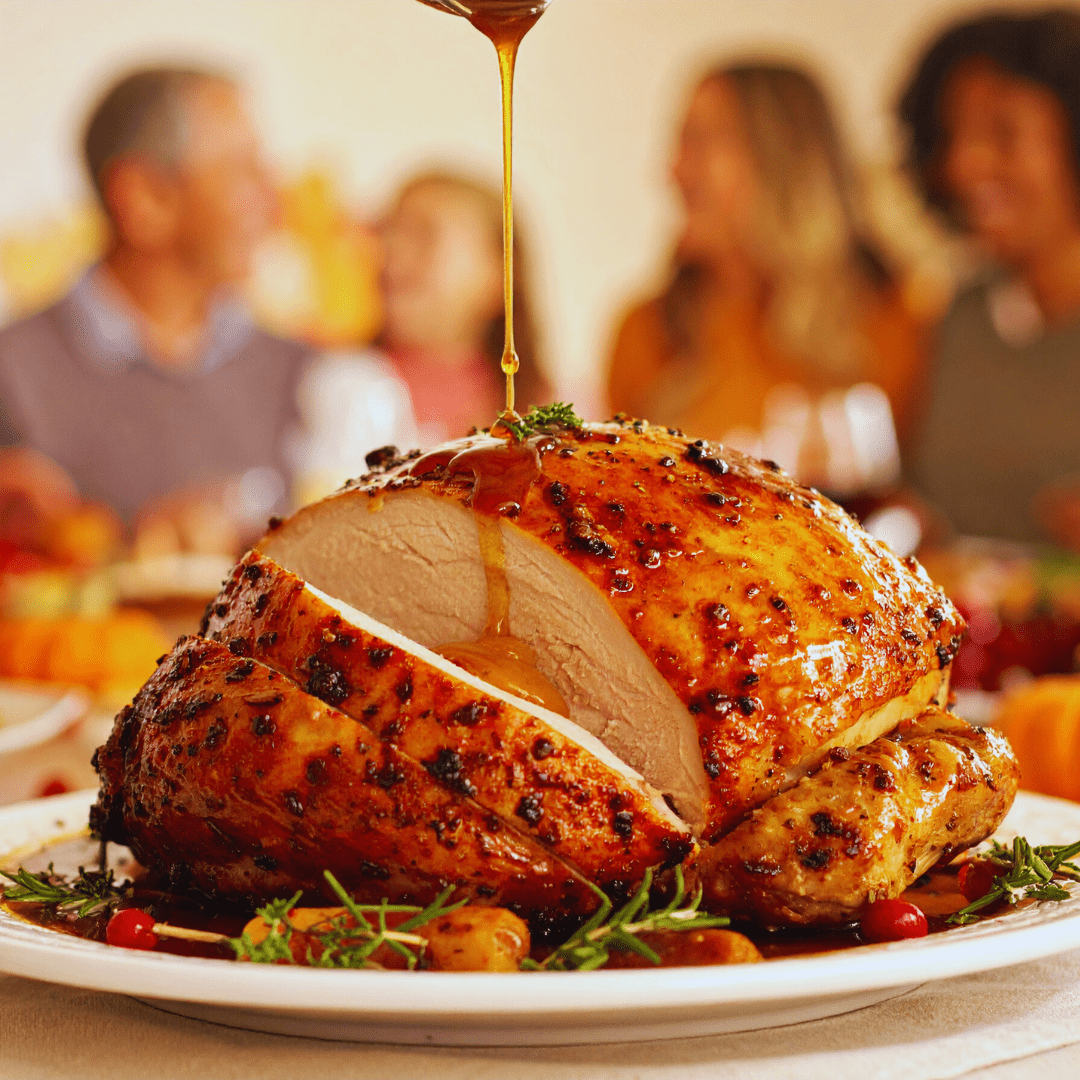
Beyond Celiac shares, “In its purest form, fresh turkey is naturally gluten free. Like all plain cuts of meat, poultry does not contain wheat, barley, rye, or triticale.” If you purchase a fresh, unseasoned whole turkey from a local butcher or the grocery store, it is naturally safe to eat.
However, the modern food industry rarely sells “just turkey.” The danger usually lies not in the bird itself, but in how it has been processed, packaged, and prepared.
Hidden Gluten in “Self-Basting” Birds
One of the most common traps for gluten-free shoppers is the “basted” or “self-basting” turkey. To ensure the meat stays moist during roasting, manufacturers are known to inject whole turkeys with a solution of water, salt, spices, and fat.
While many of these solutions are gluten free (using corn or soy-based additives), some may contain hydrolyzed wheat protein or flavourings derived from gluten grains. Always flip the bird over and read the ingredients label carefully. If the label mentions “natural flavourings” without specifying the source, it is safer to stick to a bird labeled specifically “Gluten Free” or “All Natural” (containing no artificial ingredients or added solutions).
The Danger of the Deli Counter
Turkey sandwiches are a lunch staple, but deli meat is a frequent offender for hidden gluten. Processed deli turkey often uses fillers, binders, and caramel coloring that can contain gluten. Furthermore, the deli counter itself is a high-risk zone for cross-contamination. If the same slicer used to cut roast beef (often rubbed with spice blends containing flour) or a glutenous loaf is used on your turkey, your meat is no longer safe.
To be safe, look for pre-packaged deli meats that are certified gluten free, or ask the deli staff to clean the slicer and change their gloves before serving you.
The Stuffing and Gravy Trap
The turkey is often guilty by association. Celiac Canada shares, “A turkey that has been stuffed with traditional bread stuffing is unsafe for someone with Celiac disease, even if you do not eat the stuffing itself.” As the bird cooks, the gluten filled juices from the bread infuse into the meat.
Similarly, gravy is traditionally thickened with wheat flour. If you are a guest at a dinner, you must ask if the bird was stuffed and how the gravy was made. Safe alternatives involve cooking gluten free stuffing in a separate casserole dish and using cornstarch, arrowroot powder, or sweet rice flour to thicken the gravy.
Cross Contamination in the Kitchen
Even a certified gluten free turkey can become unsafe in the kitchen. Using the same basting brush on a gluten free bird that was just touched to a gluten filled side dish, or carving the turkey on a wooden cutting board that previously held bread, can introduce dangerous crumbs.
By purchasing a plain, fresh bird and controlling the cooking environment, turkey can remain the safe, delicious star of your gluten free holiday meal.
Frequently Asked Questions About Turkey (FAQs)
Q1. Is turkey gravy gluten free?
A1. Rarely. Traditional gravy is made by mixing turkey drippings with wheat flour to create a roux. Unless it was made specifically using a gluten free thickener like cornstarch, tapioca flour, or a gluten-free all-purpose flour blend, you should assume it is not safe. Try our gluten free gravy recipe to enjoy a gluten free turkey gravy!
Q2. Are turkey burgers gluten-free?
A2. Not always. Pre-made frozen turkey burgers often use breadcrumbs as a binder to keep the meat from falling apart. Always check the box for a “Gluten Free” label. If you are making them at home, use gluten free oats or breadcrumbs to bind your meats.
Q3. Is it safe to eat a turkey that was stuffed with wheat bread?
A3. No. If a turkey has been cooked with gluten-containing stuffing inside the cavity, the juices cross-contaminate the meat. A person with Celiac Disease should not eat meat from a bird that was stuffed with wheat bread.
Q4. Is turkey bacon gluten free?
A4. Generally, yes. Most bacon is gluten free, but some brands use smoke flavourings or curing agents that may contain barley malt or wheat-based soy sauce. Always look for the GF certification on the package to be sure.
Q5. Are “basted” or “injected” turkeys safe?
A5. It depends on the brand. Many basting solutions are gluten free, but some use wheat-based hydrolyzed vegetable protein. Major brands like Butterball often list on their website which of their products are gluten free, but reading the specific label on the package is the only way to be 100% sure.
Q6. Does the “grain” the turkey ate matter?
A6. No. Even if a turkey was fed a diet of wheat grains, the gluten protein is broken down during the turkey’s digestion process and does not pass into the meat. A grain-fed turkey is safe to eat.
Q7. Are turkey giblets safe?
A7. Yes, the giblets (heart, liver, gizzard) packaged inside the turkey are naturally gluten free. However, if you use them to make gravy, ensure you don’t add wheat flour to the mixture.
Q8. Which brands of frozen turkey are gluten free?
A8. Many major brands like Butterball, Honeysuckle White, and Jennie-O state that most of their fresh and frozen whole turkeys are gluten free. However, always check for the most current labeling, as manufacturing processes can change.
Q9. Can I eat deli turkey from a sandwich shop?
A9. Use extreme caution. Even if the meat is gluten free, cross-contamination is rampant in sandwich shops where workers handle bread and then reach into the meat containers. It is safer to buy pre-packaged gluten free deli meat.
Q10. Is the gravy packet included with frozen turkeys gluten free?
A10. Often, no. While the turkey itself might be safe, the included flavour or gravy packet frequently contains wheat flour or hydrolyzed wheat protein. If the packet does not explicitly say “Gluten Free,” discard it and make your own gluten free gravy.