
Gluten Free Flours: Mastering the Art of Home Baking
Navigating the world of gluten free flours can feel overwhelming for both new and experienced home bakers. When you first transition to a gluten free lifestyle, the baking aisle in grocery stores can look entirely unfamiliar. Traditional wheat flour is a reliable, all-in-one ingredient that provides structure, elasticity, and a soft crumb. In contrast, gluten free flour requires an understanding that no single plant-based grain or starch can replicate wheat on its own.
Mastering gluten free flours for baking means learning how to combine individual grains, starches, and binders to build a complex protein and starch network from scratch. Whether you are looking for a commercial 1-to-1 blend or want to mix your own custom recipes, this in-depth article covers everything you need to know about gluten free flour for baking, gluten free flour products, and troubleshooting tips.
The Relationship Between Flour and Gluten
To understand why alternative baking requires a different approach, it helps to examine flour and gluten. Wheat flour contains two primary proteins: gliadin and glutenin. When mixed with liquid and kneaded, these proteins bond to form gluten, a sticky, elastic network that traps air bubbles released by yeast or baking powder. This is what gives traditional bread its chewy texture and allows cakes to rise high without collapsing.
When baking gluten free, that structural scaffolding is entirely absent. Without a natural binder, baked goods will easily crumble, turn out dense, or fail to hold their shape. This is why bakers must rely on a balanced ratio of alternative flours, starches, and binding agents like xanthan gum to mimic the performance of traditional wheat.
What is Gluten Free Flour Made Of?
A common question among beginners is: what is gluten free flour made of? Unlike wheat flours, which are milled entirely from cereal wheat grain, what are gluten free flours derived from can vary wildly across different botanical families.
Manufacturers and home bakers create blends by milling a diverse array of ingredients, which generally fall into three distinct categories:
- Cereal Grains and Pseudocereals: Rice, sorghum, oats, buckwheat, millet, and quinoa.
- Nuts and Legumes: Almonds, chickpeas, fava beans, and coconut.
- Roots and Tubers (Starches): Tapioca (cassava root), potatoes, and arrowroot.
By blending these distinct components together, you achieve a nutritional profile, weight, and texture that closely mirrors traditional baking.
Exploring the Different Types of Gluten Free Flour
To build a successful pantry, it helps to understand the characteristics of the most popular types of gf flour available on the market today.
1. Grain Based Foundations
Foundation flours make up the bulk of most commercial and homemade blends. They provide the neutral base and crumb structure for cakes, cookies, and quick breads.
- White and Brown Rice Flours: White rice flour is light and neutral, making it ideal for delicate pastries. Brown rice flour is milled from the whole grain, offering more fibre and a slight, earthy nuttiness. Always look for superfine grinds to avoid a gritty mouthfeel.
- Sorghum Flour: Often considered the crown jewel of gluten free flour alternatives, sweet white sorghum flour offers a mild, sweet flavour and a smooth texture that behaves very similarly to light wheat flour.
- Oat Flour: Known for adding moisture and chewiness to bakes, oat flour is a favourite for pancakes and cookies. Safety Note: Always ensure your oat products are explicitly certified gluten free to avoid agricultural cross-contamination with wheat or barley fields.
- Buckwheat Flour: Despite its misleading name, buckwheat is a pseudocereal seed entirely unrelated to wheat. It features a robust, nutty flavour and a dark colour, perfect for rustic breads, crepes, and pancakes.
2. Nut and Alternatives
These ingredient options add healthy fats, proteins, and essential moisture that help prevent dryness in alternative baking.
- Almond Flour: Made from blanched, finely ground almonds, this is the gold standard for low-carb and grain-free baking. It creates an exceptionally tender and moist crumb, though its high fat content may require you to reduce added oils or butter in your recipes.
- Coconut Flour: An extremely absorbent flour derived from dried coconut meat. Because it acts like a sponge, you typically only need a quarter cup of coconut flour for every cup of grain flour, and you must add extra eggs or liquid to compensate for its drying nature.
- Cassava Flour: Milled from the whole yuca root, cassava is a wonderful gluten substitute for baking in non-yeasted recipes like tortillas, cookies, and pie crusts. It has a neutral taste and a slight elasticity that helps mimic wheat.
3. Starches and Binders
Without gluten, baked goods need starches and binders to provide lift, moisture, and structural integrity.
- Tapioca Starch (Flour): Extracted from cassava root, tapioca starch is vital for creating a chewy texture, crisp crusts, and beautiful browning.
- Potato Starch: A light, powdery starch (distinct from heavy potato flours) that locks in moisture and keeps cakes and muffins exceptionally soft.
- Arrowroot Powder: A gentle, easily digestible starch that works wonderfully as a thickener or to create crisp edges on cookies.
- Xanthan Gum & Psyllium Husk: These are the ultimate binding agents. Xanthan gum mimics gluten elasticity in small pinches (a quarter to half teaspoon per cup of flour), while psyllium husk creates a gel-like matrix that allows artisan bread dough to be shaped and handled just like regular dough.
Product Summaries and Commercial Brand Recommendations
For many bakers, mixing custom flours from scratch is a rewarding weekend project, but busy schedules call for convenience. Commercial 1-to-1 baking blends have revolutionized home baking by doing the precise chemistry and measuring ahead of time. Below is a product summary of top brands frequently featured on our site:
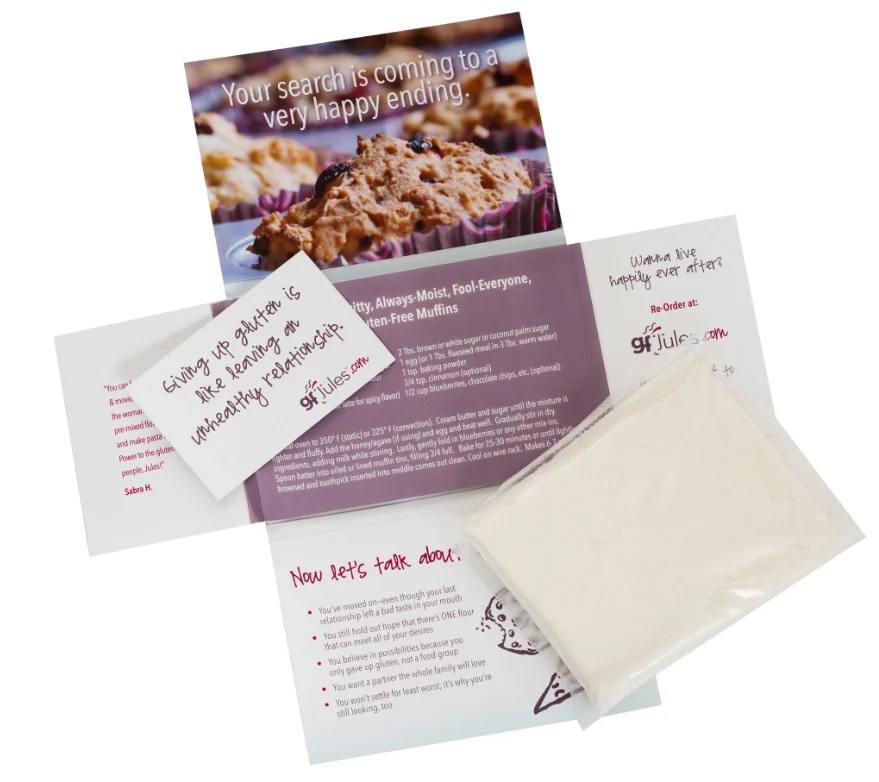
- gfJules Gluten Free Flours: Developed by Jules Shepard, this top-allergen-free blend is celebrated for its reliable performance, inclusion of xanthan gum, and smooth texture that requires zero rest time. Learn more about gfJules.
- King Arthur Measure for Measure Flours: A fantastic commercial blend designed specifically to swap directly into your favourite traditional cookie, muffin, and quick bread recipes without guesswork. Learn more about King Arthur Baking.
- Bob’s Red Mill 1-to-1 Baking Flour (Blue Bag): A widely available, reliable staple in Canadian grocery stores that blends sweet white rice flour, brown rice flour, potato starch, sorghum flour, and tapioca flour with xanthan gum already included. Learn more about Bob’s Red Mill.
Frequently Answered Questions About Popular Flour Brands
Are King Arthur Baking Products gluten free? King Arthur Baking offers a specific dedicated line of certified gluten free products, including their popular Measure for Measure flour and baking mixes. These products are milled and packaged in dedicated facilities and rigorously tested to ensure they meet strict safety standards. However, King Arthur Baking also produces traditional wheat flours, so always check the packaging for the certified seal to ensure you are selecting their dedicated items.
Are gfJules flour mixes gluten free? Yes, absolutely. gfJules products are produced in top-allergen-safe, dedicated facilities and are certified gluten free. They are formulated to be completely free from wheat, gluten, dairy, soy, eggs, nuts, and corn, making them an exceptionally safe choice for individuals with celiac disease or multiple food sensitivities.
Are Bob’s Red Mill flours gluten free? Yes, Bob’s Red Mill offers a wide selection of certified gluten free flours, but it is important to note that not all Bob’s Red Mill products are gluten free. The brand produces both traditional wheat-based flours and specialized gluten free products. Their safe products feature a prominent “Gluten Free” label on the front of the packaging, often accompanied by a red “GF” logo or a Celiac Disease safe certification badge.
Additional Gluten Free Flour Options
-
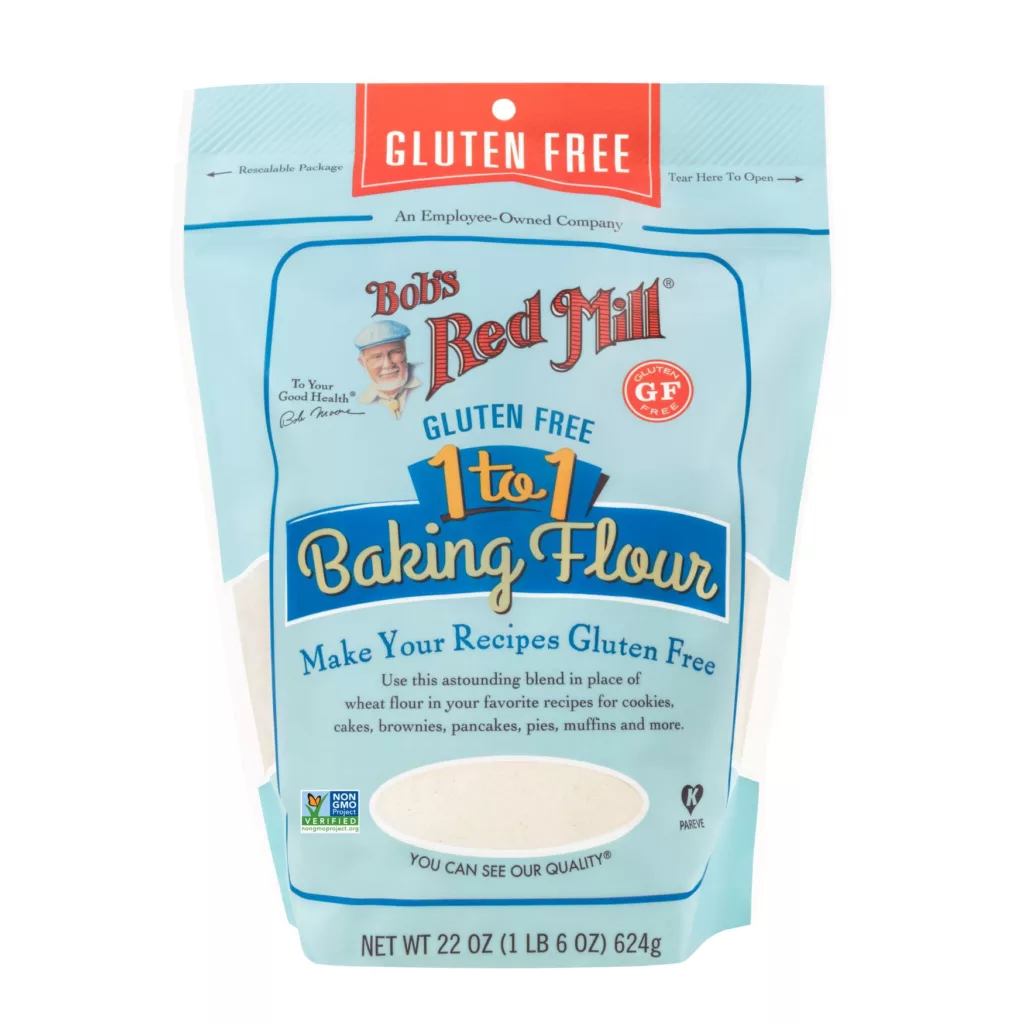
Bob’s Red Mill Gluten Free 1-to-1 Baking Flour
-

Bûche de Noël Pan and Gluten Free Chocolate Cake Mix – Limited Time
-

gfJules All Purpose Gluten Free Flour
-
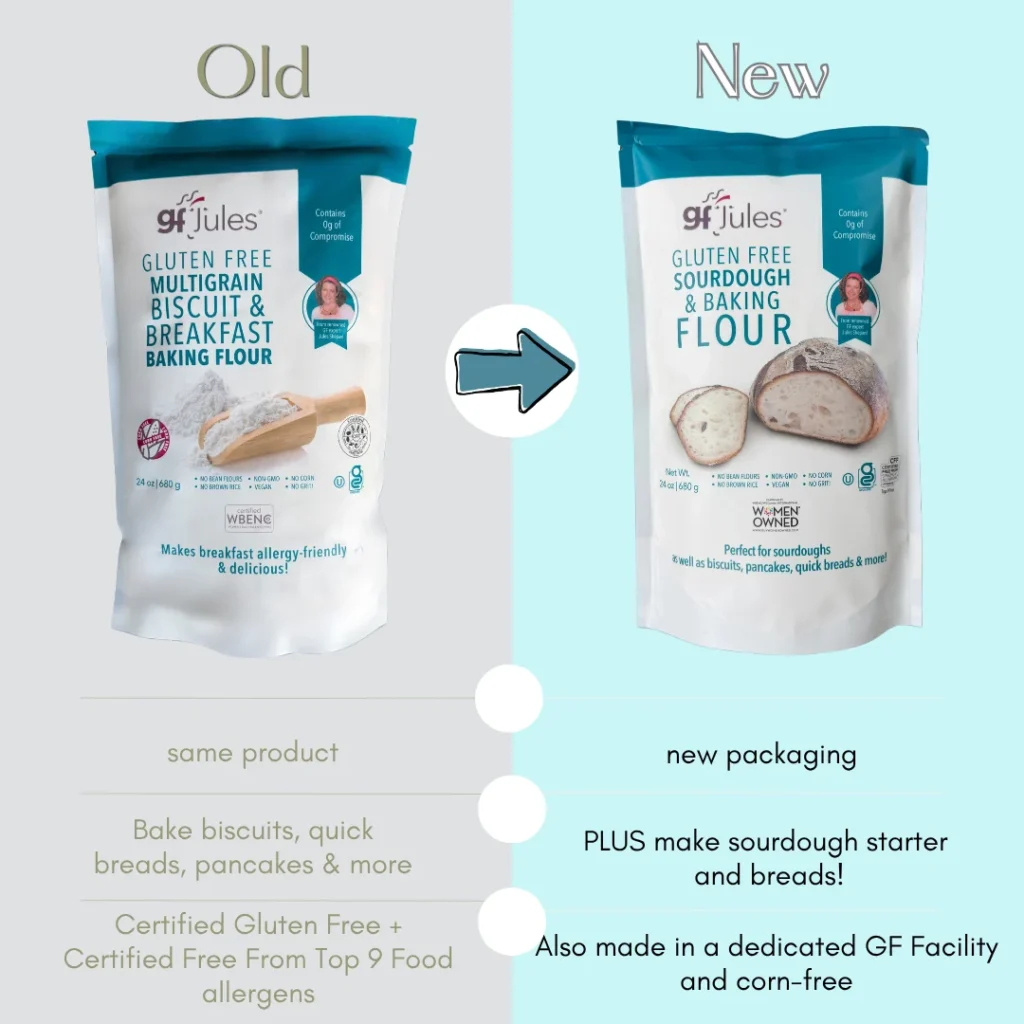
gfJules Gluten Free Sourdough & Baking Flour
-

Gluten-Free Bread Flour from King Arthur Baking
-

Gluten-Free Pizza Flour from King Arthur Baking Company
-

Great Value Gluten Free All-Purpose Flour
-

King Arthur Gluten Free Measure for Measure Flour
-
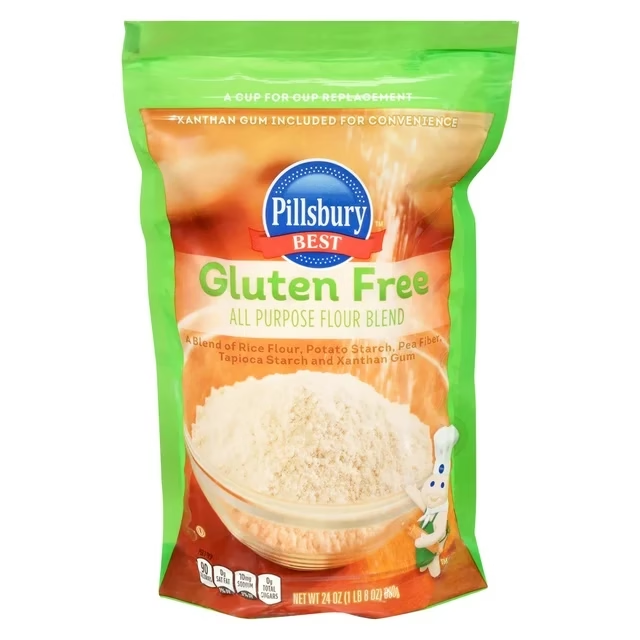
Pillsbury Best Gluten Free All Purpose Flour Blend
Essential GF Baking Tips and Troubleshooting
Even with the best ingredients, alternative baking has a learning curve. Keep these expert tips in mind to elevate your culinary results:
- Let Your Batter Rest: Many rice-based flours take longer to hydrate than wheat. Letting your cookie dough or cake batter rest for 20 to 30 minutes before baking softens the flour particles and eliminates any unwanted grit.
- Weigh Your Ingredients: Flours settle in bags during shipping. Measuring by weight using a kitchen scale provides much more consistent results than scooping with a measuring cup.
- Add Extra Moisture: Alternative flours absorb liquids differently. If your cakes or breads turn out dry, try adding an extra egg, a splash of milk, or a spoonful of applesauce or yogurt to your mixing bowl.
Frequently Asked Questions About GF Flour
Yes, King Arthur Baking produces a dedicated line of certified products, such as their Measure for Measure flour, manufactured in strictly controlled, dedicated facilities to ensure complete safety for celiac consumers. Always look for the dedicated gluten free label on their packaging.
Yes, gfJules flour mixes are certified gluten free and produced in top-allergen-free facilities, ensuring they are entirely free from wheat, gluten, and common cross-contaminants.
No, almond flour cannot be swapped at a 1:1 ratio because it contains no starches and is much higher in fat and protein. It works best in recipes specifically developed for nut flours or when blended in smaller quantities (around 20 to 25 percent of the total flour volume).
Density and crumbling usually result from a lack of moisture or insufficient binding agents. Alternative bread doughs need to be wetter than traditional wheat doughs, more like a thick batter, and require binders like xanthan gum or psyllium husk to hold structure.
Most commercial 1-to-1 blends (such as Bob’s Red Mill Blue Bag or King Arthur Measure for Measure) already have xanthan gum or a similar binder blended into the mix. Always check the ingredient list on the back of the package before adding extra.
Because many alternative flours (especially nut flours and whole grain brown rice flour) contain natural oils, they can spoil or turn rancid over time. Store them in airtight glass or plastic containers in a cool, dark pantry, or keep them in the refrigerator or freezer for long-term freshness.