Navigating Gluten Free Cereals: Safe Global Brands, Canadian Guidelines, and Label Reading
Finding a reliable gluten free cereal can transform your morning routine from a stressful label reading exercise into a seamless start to your day. Whether you are managing celiac disease, non celiac gluten sensitivity, or adhering to a dietary protocol, the breakfast aisle presents distinct challenges. Navigating processed grain products requires constant vigilance, especially when commercial manufacturing lines process wheat, barley, and rye alongside safe ingredients.
This content page explores both the Canadian market and international options for gluten free cereals, highlights safe processing standards, examines the critical safety distinction regarding Cheerios in Canada, and helps you determine what cereals are gluten free across global retailers.
Understanding Gluten Free Cereal Options
When starting your journey, the sheer volume of gluten free breakfast cereals available across regional and global markets can feel overwhelming. Traditional breakfast foods rely heavily on wheat flour, barley malt, and rye. Removing these staples means turning to alternative grains such as rice, corn, sorghum, millet, buckwheat, and certified purity protocol oats.
Finding what cereal is gluten free involves looking past front-of-pack marketing claims and auditing the full ingredient list alongside official certification symbols. Many products that seem naturally grain based contain hidden gluten derivatives, such as malt extract or brewer’s yeast, which render them unsafe for individuals with celiac disease. Securing safe gluten free breakfast cereal Canada options requires understanding how regional food regulations govern allergen labelling, cross contamination thresholds, and oat processing.
The Canadian Landscape for Gluten Free Breakfast Cereals
Shopping for gluten free cereal in Canada requires familiarity with Health Canada guidelines. Unlike the United States or parts of Europe, where mechanical optical sorting allows oats to be labelled gluten free under 20 parts per million (ppm), Canada maintains strict standards regarding oat safety and cross contamination risks. Health Canada and major health advocates require rigorous purity protocols from farm to package to ensure zero co-mingling during transport and milling.
Because of these regulatory nuances, several imported products that carry gluten free claims in international markets are stripped of their gluten free labelling when sold on Canadian grocery store shelves. Consumers seeking gluten free breakfast cereals canada must inspect every package carefully and prioritize brands that utilize dedicated, allergen free facilities.
Why Cheerios Are Not Celiac Disease Safe in Canada
A critical topic for anyone managing celiac disease in Canada is the status of General Mills Cheerios. While boxes of Cheerios in the United States carry a prominent gluten free label, the situation in Canada is very different.
The Mechanical Sorting Issue
General Mills uses a mechanical and optical sorting process to separate stray wheat, barley, and rye grains from conventional oats, rather than sourcing purity protocol oats that are grown in dedicated, uncontaminated fields. Independent testing by consumer protection organizations has repeatedly shown that batch-to-batch consistency in mechanically sorted oats can vary, occasionally resulting in trace hot spots of gluten above safety limits.
Canadian Celiac Association (Celiac Canada) Position
Due to these ongoing contamination concerns and the lack of a standardized national testing protocol for mechanically sorted oats, Celiac Canada (formerly the Canadian Celiac Association) issued an explicit advisory recommending that individuals with celiac disease or severe gluten sensitivity do not consume Cheerios labelled as gluten free.
Following extensive discussions with health authorities and advocacy groups, General Mills voluntarily removed the gluten free designation from Cheerios packaging across Canada. Even if you see US boxes marked gluten free while travelling, Cheerios sold or imported into the Canadian market should not be considered safe for celiac disease management.
Evaluating Major Brands: Which Cereals Are Gluten Free?
Navigating grocery store shelves means asking which cereals are gluten free and verifying whether a brand maintains dedicated production lines. A wide selection of domestic and global manufacturers offer reliable choices that meet strict safety standards.
General Mills Chex (Select Varieties)
While Cheerios should be avoided for celiac disease safety, General Mills produces several Chex varieties, such as Rice Chex, Corn Chex, and Cinnamon Chex, that are formulated without gluten ingredients and processed under controlled lines. Always check the specific box in your local market to verify regional formulation details.
MadeGood
MadeGood specializes in allergen friendly snacks and breakfast items produced in dedicated, certified allergen free facilities. Their crispy light granolas and puffed grain options provide a safe, organic option for families managing celiac disease alongside top food allergens.
Nature’s Path & EnviroKidz
A staple in both North American and global markets, Nature’s Path offers an extensive line of certified organic, non-GMO, and certified gluten free options. From their Mesa Sunrise flakes to the popular EnviroKidz line (Gorilla Munch, Panda Puffs, Koala Crisp), their dedicated production practices make them a highly trusted brand for celiac safe eating.
Catalina Crunch
For consumers looking for low carbohydrate, high protein, or keto friendly options, Catalina Crunch formulates plant based cereals using pea protein, chicory root fibre, and natural sweeteners. These offerings cater to shoppers looking for a wheat free breakfast cereal that delivers substantial protein without sacrificing crunch.
Cascadian Farm
Cascadian Farm provides organic whole grain cereals and granolas. Select varieties utilize certified gluten free ingredients under strict quality control standards, offering a solid organic choice for domestic and international shoppers.
Global Gluten Free Cereal Brands and International Options
If you are travelling internationally, ordering imported food items, or living outside North America, the global market features outstanding dedicated manufacturers that specialize in safe breakfast products:
| Brand / Manufacturer | Key Markets | Notable Gluten Free Product Lines | Safety Highlights |
|---|---|---|---|
| Schär | Europe, North America, Global | Fruit Crunch, Honey Flakes, Choco Balls, Milly Magic | Global leader in celiac safe manufacturing; uses dedicated gluten free processing plants. |
| Doves Farm (Freee) | United Kingdom, Europe | Organic Cereal Flakes, Chocolate Stars, Fibre Flakes | Certified organic, dedicated gluten free facilities, free from major allergens. |
| Esgir | Spain, Europe | Choco Pétalos, Crunchy Mix, Sugar Free Corn Flakes | Popular European brand specializing in dedicated gluten free corn and rice cereals. |
| Kallo | United Kingdom, Europe | Organic Puffed Whole Rice, Puffed Cereal | Simple, minimal ingredient organic puffed grains processed under strict safety controls. |
| Three Wishes | North America, Select Global | Cinnamon, Cocoa, Fruity, Unsweetened Grain Free | Nutrient dense, plant based cereal made from chickpeas and tapioca; completely grain free. |
| Magic Spoon | North America, International Shipping | Fruity, Frosted, Cocoa, Peanut Butter | High protein, zero grain formula produced in dedicated allergen conscious facilities. |
Navigating Wheat Free Breakfast Cereal Choices
It is vital to distinguish between products marketed as wheat free breakfast cereal and those officially certified as gluten free. A product labelled wheat free may still contain barley malt, rye, or contaminated oats, all of which contain harmful prolamins toxic to individuals with celiac disease. True breakfast cereals that are gluten free must exclude all sources of wheat, barley, rye, and non certified oats.
When reviewing ingredient panels, check for these common hidden gluten sources:
- Malt extract, malt syrup, and malt flavouring (derived from barley)
- Brewer’s yeast
- Modified wheat starch (unless explicitly designated as gluten free under strict processing standards)
- Oats that lack a verified purity protocol certification
Oats, Cross Contamination, and Regulatory Standards
Oats represent one of the most debated topics in the celiac community. While oats are naturally free of gluten, commercial oat crops are frequently rotated with wheat, barley, or rye fields and harvested using shared machinery. Furthermore, transport trucks and grain elevators often handle multiple cereal grains, introducing significant cross contamination risks.
In Canada and strict European markets, oat products face intense regulatory scrutiny. Many individuals choose to source specialty purity protocol oats that are tested at every stage of production, from seed selection to final milling. If you tolerate oats well and choose to include them in your morning routine, ensure the brand explicitly guarantees dedicated gluten free harvesting practices.
Popular Gluten Free Cereal Options
Discover ALL the various gluten free breakfast cereal options for Celiac Disease available online.
-

General Mills Chex Breakfast Cereals
-
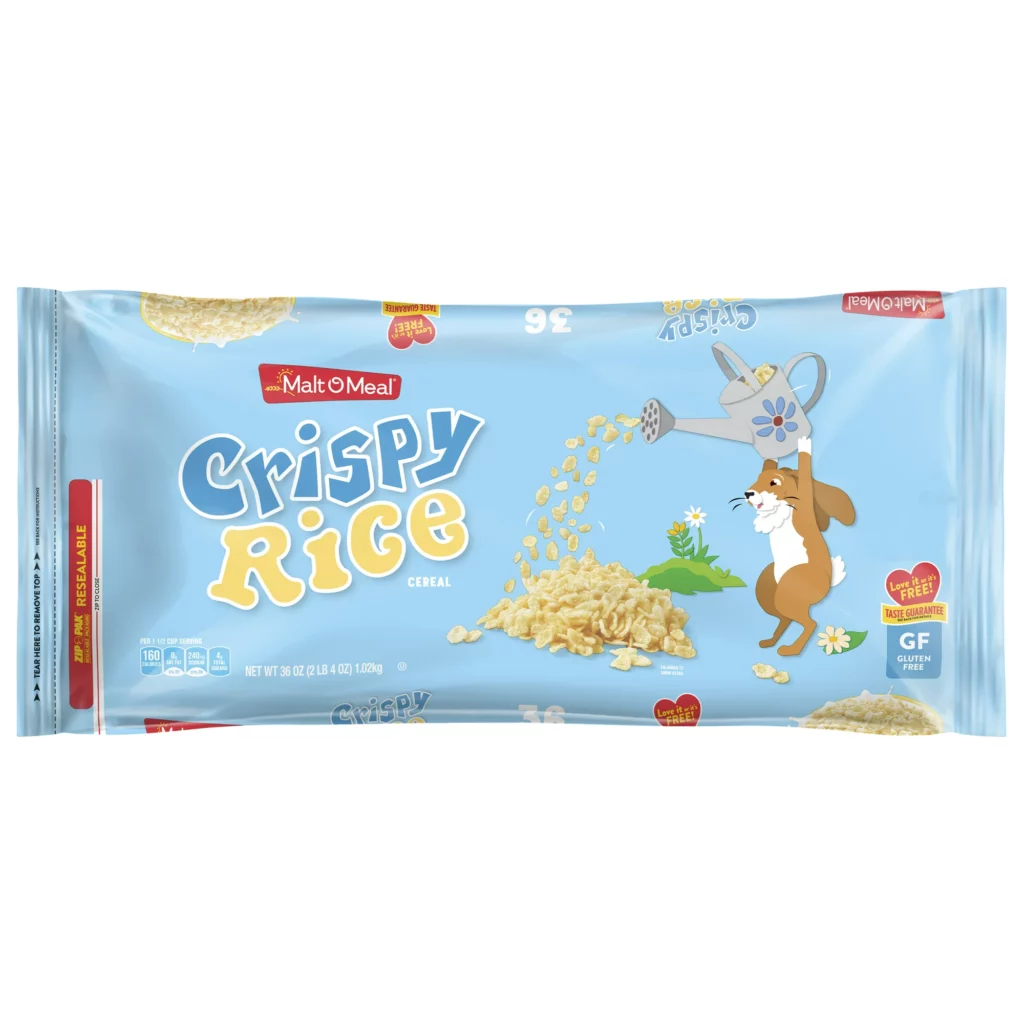
Malt-O-Meal Crispy Rice Cereal
-

Catalina Crunch Cereal
-

MadeGood Gluten Free Granola Cereals
-

Nature’s Path Organic Cereals
-

Great Value Oven Toasted Corn Squares Gluten Free Cereal
-

Post Fruity PEBBLES Cereal
-
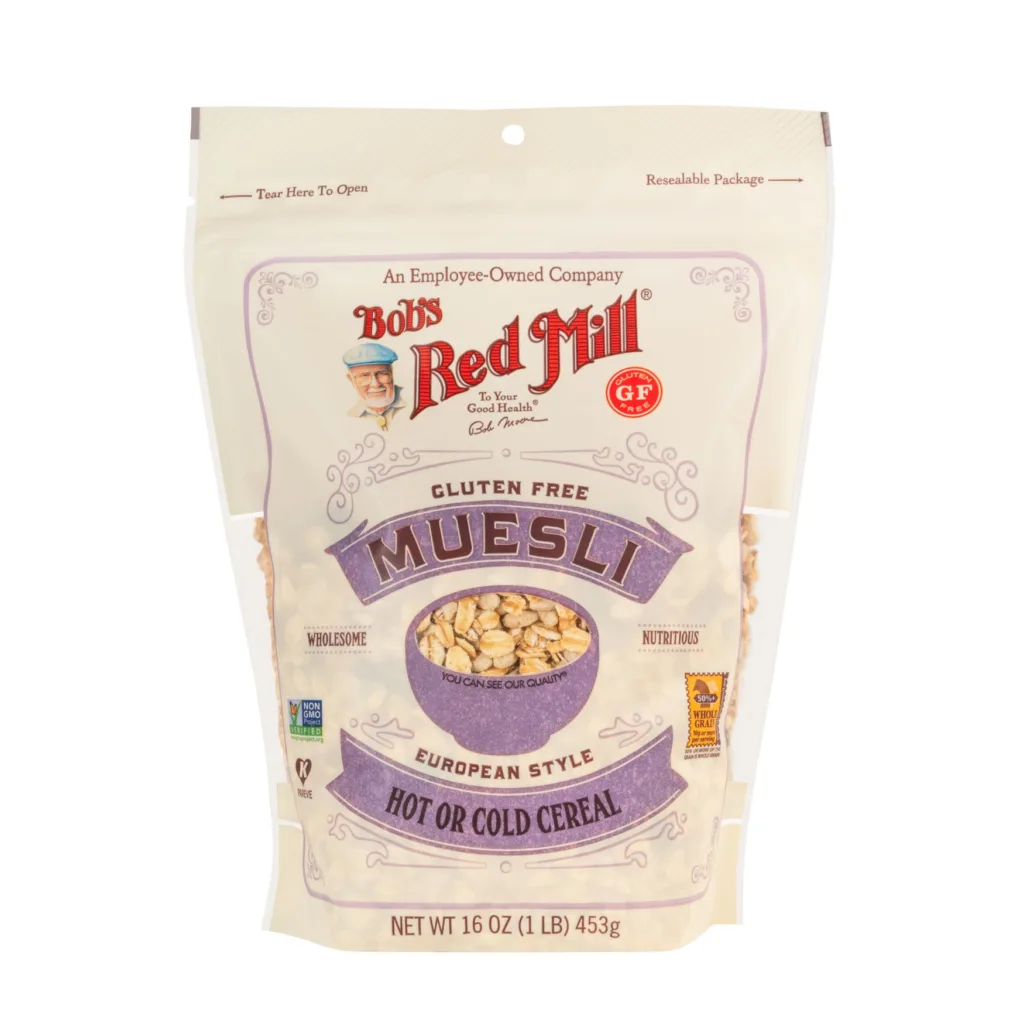
Bob’s Red Mill Gluten Free Muesli Hot or Cold Cereal
-

Barbara’s Original Puffins Cereal
Not seeing a gluten free cereal listed? We are continuously adding and sharing new gluten free cereal options every month!
Shopping Tips for Gluten Free Breakfast Cereals in Canada & Abroad
Securing safe food items requires developing a consistent grocery routine regardless of where you shop:
- Read Every Label: Never assume a product remains gluten free just because it was safe during your last purchase. Manufacturers frequently update recipes and alter co-packing facilities.
- Look for Regional Certification Symbols: Trustworthy independent certifying bodies, such as Celiac Canada’s Gluten Free Certification Program (GFCP), the GFCO logo in North America, or the Crossed Grain symbol in Europe, verify that products meet stringent testing standards.
- Avoid Grocery Store Bulk Bins: Avoid purchasing loose or bulk bin cereals, as cross contamination from shared scoops and airborne dust in self-serve dispensers is virtually unavoidable.
- Use Verified Celiac Resources: Utilize specialized platforms like the Gluten Dude App to cross-reference international product safety, facility practices, and manufacturer transparency rather than relying solely on crowdsourced databases with unverified user entries.
Frequently Asked Gluten Free Cereal Questions
Are Cheerios Gluten Free?
We know that lots of different families want to enjoy Cheerios together.
Cheerios strives to work hard to remove stray wheat, rye, and barley grains from their oat supply. HOWEVER, conventional farming practices as well as common grain handling procedures allow chances for gluten containing grains (like wheat, barley, and rye) to co-mingle with their gluten free oats.
While Gluten-Free Cheerios products comply with the glutenfree standards in the United States (products contain less than 20 ppm of gluten), they have made the decision to remove the gluten-free label from Cheerios products in Canada until the government agencies publish a consistent testing protocol for products containing oats. At this time the product is not changing, just the label on the box.
Do Cheerios have gluten? Yes. Cheerios are not considered gluten free and do have gluten.
Honey Nut Cheerios are also not considered gluten free.
Are Lucky Charms Gluten Free?
Lucky Charms are not considered gluten free for Celiac Disease or Gluten Intolerance.
Original Lucky Charms – although oats and marshmallows are naturally gluten-free, sometimes extra grains of barley, wheat and rye, which can contain gluten, get mixed in during the harvesting process and the transport from the farm.
The magical difference is in their sifting process. First, they check the oats after sifting to make sure they contain less than 20 parts per million of gluten.
Then, they check it again after the oats are milled into flour. They always ship the flour to their plants in their fleet of dedicated gluten-free trucks and rail cars.
Lastly, after the flour is baked into Original Lucky Charms cereal, they check one last time to ensure Original Lucky Charms are 20ppm gluten-free.
Are All Rice Krispie Cereals Gluten Free?
At Kelloggs, they believe in the power of grains and the positive impact grains can have on health and the planet. They also understand there are people who are trying to reduce gluten – either because of celiac disease or due to a diet choice.
Due to disappointing sales and manufacturing constraints, they are no longer able to make Kellogg’s® Rice Krispies® Gluten Free cereal. Kellogg’s Rice Krispies are made with malt, which comes from barley and may contain gluten; therefore, they are not labeled gluten free.
They hope you’ll consider trying other Kellogg gluten free foods.
- Bear Naked bars and granola
- Kashi bars, cereals, waffles, and cereals
- Special K Chewy Nut bars
Is Corn Flakes Cereal Gluten Free?
No, Corn Flakes are not gluten free. Corn Flakes have milled corn, sugar, and malt flavouring containing barley gluten. People with gluten intolerance or celiac disease should avoid Corn Flakes Kellogg’s and look for gluten-free alternatives.
Always remember that recipes change over time without notification. For the most accurate information, be sure to read the nutrition facts panel on the package you purchase and check the ingredient lists for hidden gluten.
A wheat free cereal simply excludes wheat, but it may still contain barley malt, rye, or contaminated oats. A gluten free cereal must be completely free of all gluten-containing grains and tested to ensure it falls below regulatory limits (typically under 10 or 20 ppm).
A cereal earns official certification when an independent third-party organization audits the manufacturing plant, reviews ingredient sourcing, and regularly tests finished batches to guarantee gluten levels remain under strict safety limits.
Safe oats must be grown and processed under a strict purity protocol. This involves dedicated fields, clean harvesting machinery, isolated transport, and rigorous lab testing at multiple production stages.
Yes. International brands such as Schär (Italy/Germany) and Doves Farm Freee (UK) adhere to exceptionally strict European and international gluten free standards and process their foods in dedicated, allergen free facilities.
Standard granolas rely heavily on rolled oats and wheat germ. If you enjoy granola, you must select products explicitly manufactured in dedicated facilities using certified purity protocol oats or grain free ingredients.
Specialized ingredient sourcing, dedicated allergen free facilities, rigorous batch testing protocols, and smaller production scales contribute to higher retail costs for specialty food items.
Puffed single-grain cereals can be safe if produced on dedicated machinery. However, shared processing lines in general facilities often introduce trace wheat dust, so explicit certification is recommended.
Food manufacturers frequently update suppliers, change co-packers, or adjust recipes to address supply chain shifts. Routine label checks before every purchase protect against accidental exposure to updated ingredients.