
For anyone living with celiac disease or a non-celiac gluten sensitivity, walking past the instant noodle aisle can bring on a wave of nostalgia. Traditional instant ramen packets and restaurant-style noodle bowls are comfort food staples across North America, offering a hot, savoury, and convenient meal in minutes. However, for those on a strict gluten free diet, conventional ramen has long been strictly off-limits.
Fortunately, the gluten free market has expanded significantly. Today, innovative food brands use whole-grain brown rice, millet, buckwheat, and sweet potato starches to recreate the iconic chew and spring of classic ramen noodles. Whether looking for a quick 3-minute instant package for lunch or planning to craft a rich, simmered bone broth bowl from scratch on the weekend, this page covers everything to know about enjoying safe, delicious gluten free ramen.
Is Traditional Ramen Gluten Free?
In short: No, standard store-bought and restaurant ramen are almost never gluten free.
To understand why, it helps to look closely at the two main components of any ramen dish: the noodles and the broth.
1. The Noodles
Traditional Japanese ramen noodles (chuka soba) are made from wheat flour, water, salt, and kansui (an alkaline mineral water that gives the noodles their characteristic springy texture and yellowish colour). Because wheat flour forms the structural base, regular instant ramen bricks contain high levels of gluten.
2. The Broth & Seasonings
Even when swapping the noodles, the soup base in standard ramen is often packed with hidden gluten:
- Soy Sauce (Shoyu): Conventional soy sauce is brewed using equal parts wheat and soybeans.
- Miso Paste: While traditional miso made purely from soybeans and rice koji is naturally gluten free, many commercial brands use barley or wheat koji as a fermentation starter.
- Flavour Packets: The powdered seasoning packets bundled with standard instant noodles almost always contain hydrolyzed wheat protein, wheat starch, or regular soy sauce solids as flavour enhancers.
Popular Celiac Disease Safe & Gluten Free Ramen Brands
When shopping at local grocery stores or browsing online, look for products clearly labelled Gluten Free, or ideally, Certified Gluten Free. Here are some of the top brands delivering exceptional texture and authentic flavour.
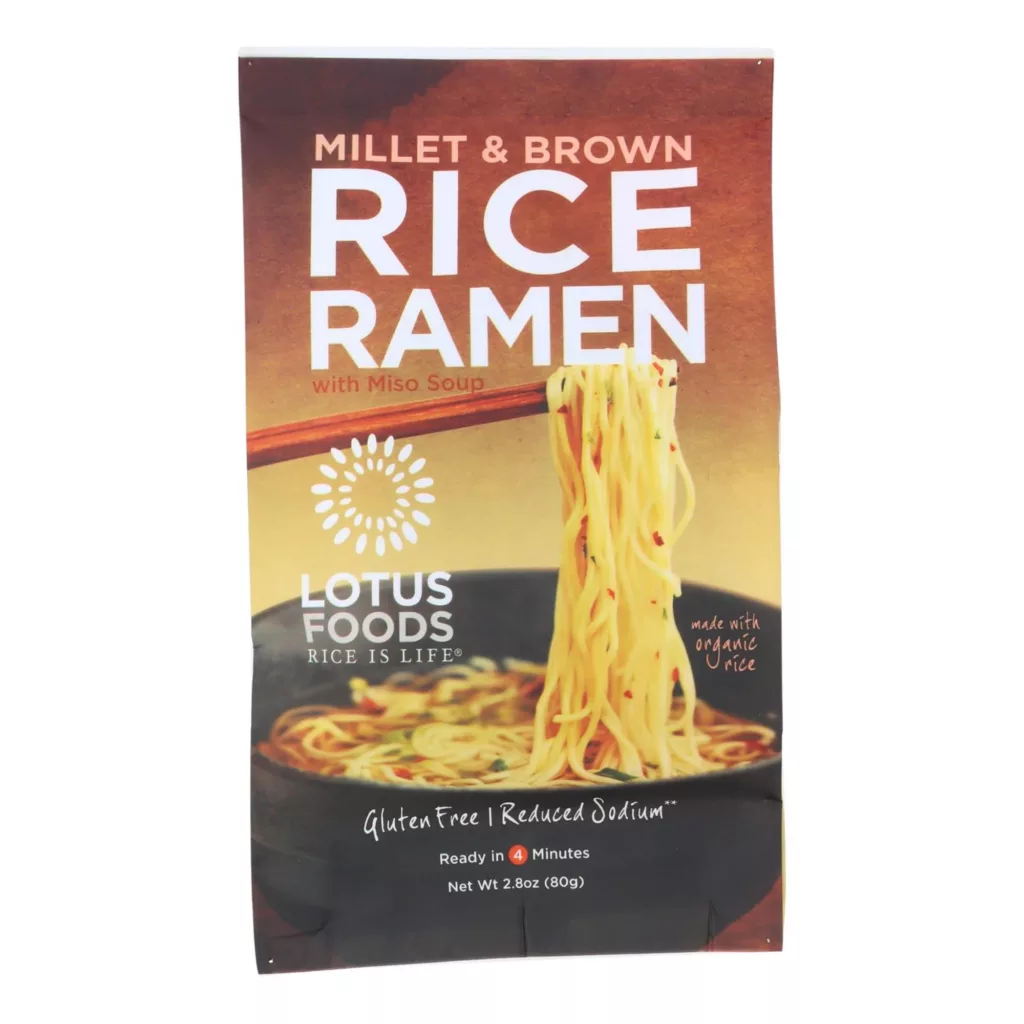
Lotus Foods Rice Ramen
Lotus Foods revolutionized the gluten free noodle space by offering dried ramen cakes crafted from heirloom rice varieties and ancient grains. They cook in just 4 minutes and hold up exceptionally well in hot soups without turning mushy.
- Millet & Brown Rice Ramen: Features an earthy flavour and an authentic “chew” closest to traditional wheat noodles.
- Jade Pearl Rice™ Ramen: Infused with organic bamboo extract, offering a light green colour and subtle vanilla-plant aroma.
- Forbidden Rice® Ramen: Made from black rice, providing a deep purple colour, rich nuttiness, and a high antioxidant profile.
Note: Lotus Foods sells both standalone noodle cakes (ideal for homemade broth) and convenient single-serve cups with seasoned broth packets (such as Red Miso or Garlic Veggie).
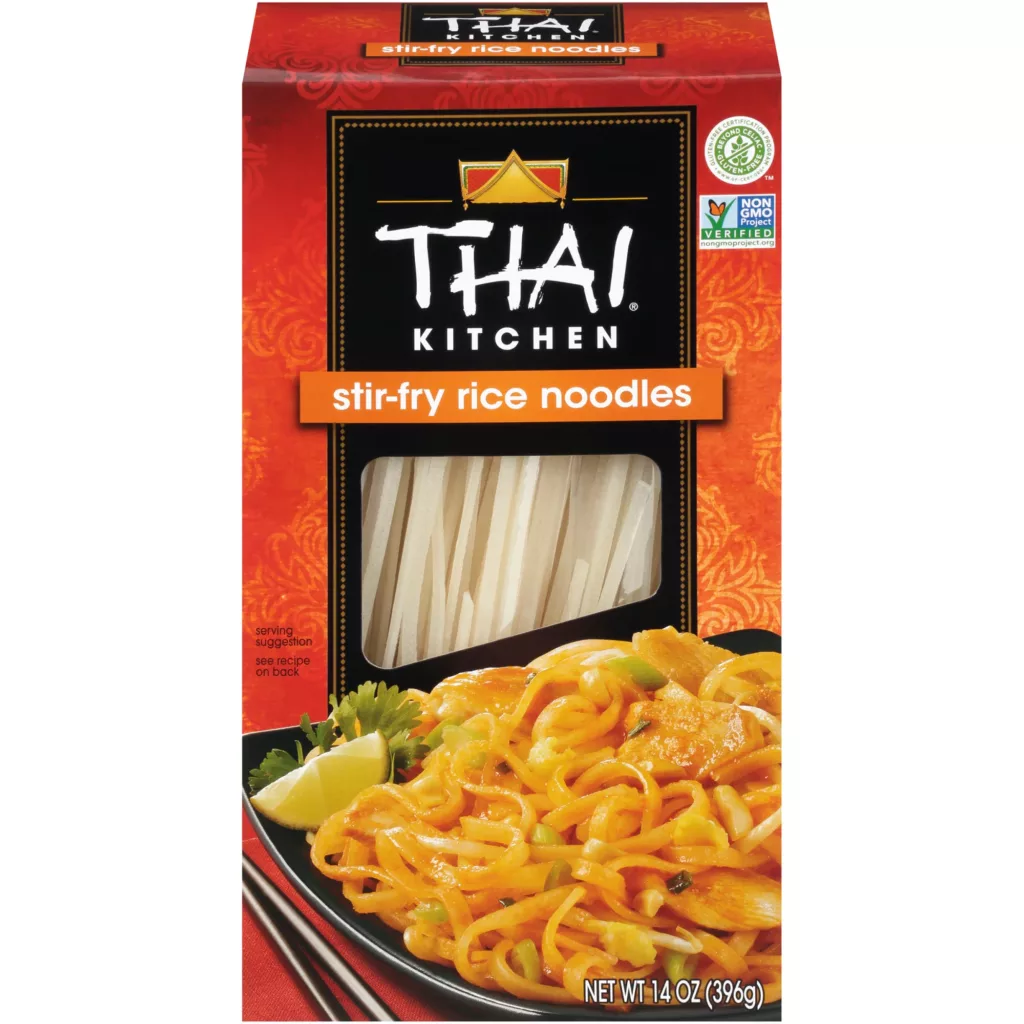
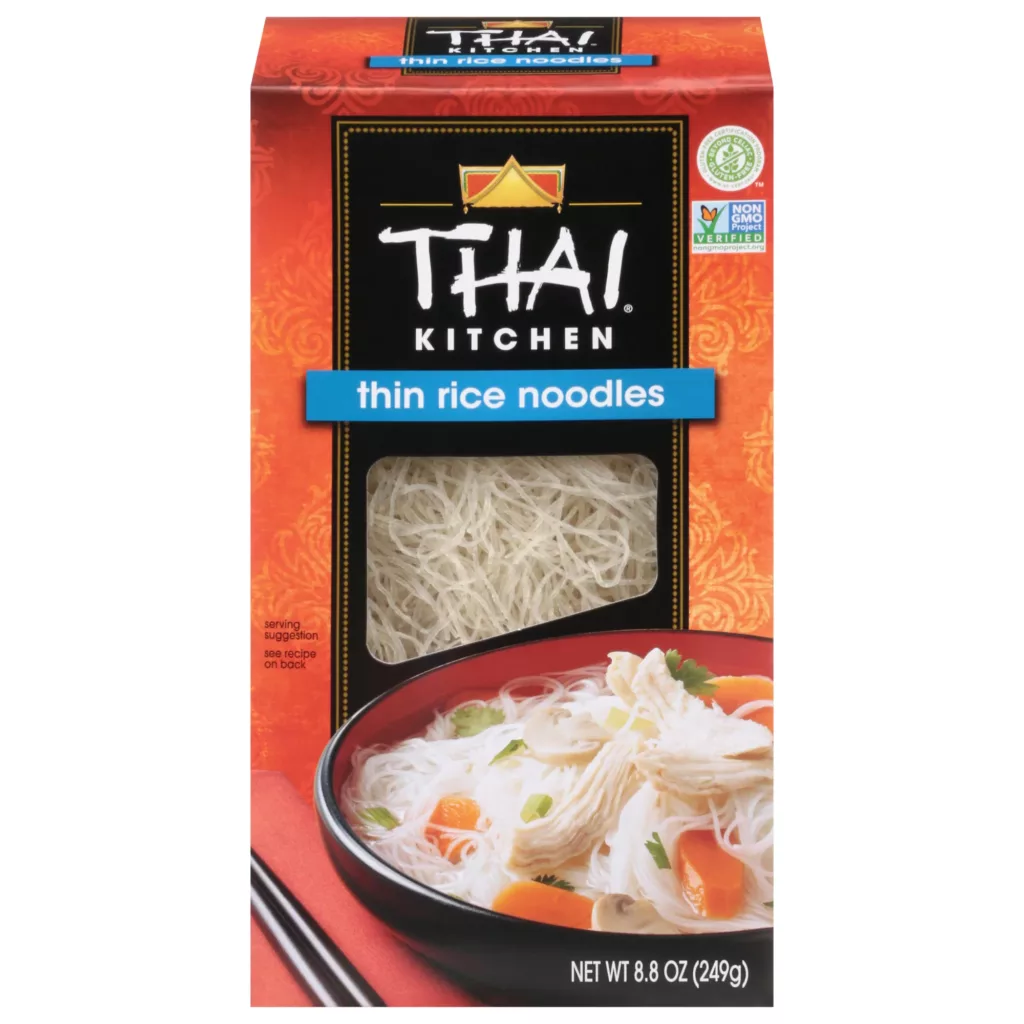
Thai Kitchen Brown & White Rice Noodle Trays
While technically Thai-style rice vermicelli or stir-fry noodles, Thai Kitchen products are widely available across major Canadian grocery chains. Their instant noodle soup cups use 100% rice noodles and are completely gluten free, making them an accessible staple for quick office lunches.
Rice Select & King Soba
King Soba offers certified organic, non-GMO, gluten free ramen cakes made from 100% Buckwheat (which is naturally gluten free despite its name), Brown Rice, and Black Rice. Their noodles cook quickly and work seamlessly in Asian-inspired soups, stir-fries, and cold noodle salads.
Popular Gluten Free Ramen Noodle Alternatives


Comparison: Traditional Wheat Ramen vs. Gluten Free Alternatives
| Feature | Traditional Wheat Ramen | Rice & Millet GF Ramen | Buckwheat (Soba) GF Ramen |
| Primary Ingredient | Wheat Flour & Kansui | Brown Rice Flour, Millet | 100% Buckwheat Flour |
| Texture | Very elastic, springy, chewy | Tender, slightly dense, holds shape well | Firm, nutty, smooth texture |
| Cooking Time | 3–5 minutes | 4–5 minutes | 5–6 minutes |
| Celiac Safety | ❌ Unsafe (Contains Wheat) | ✅ Safe (Verify Label/Certification) | ✅ Safe (If 100% Buckwheat) |
| Common Uses | Tonkotsu, Shoyu, Miso broth | Broth soups, noodle stir-fries | Cold salads, dipping noodles, broths |
How to Build a Safe, Flavourful GF Ramen Bowl at Home
Creating a restaurant-quality bowl of gluten free ramen at home is simple when focusing on layering flavours with safe, gluten free pantry staples.
Time needed: 10 minutes
Learn how to build a safe, flavourful Gluten Free Ramen Bowl at home!
- Craft a Rich Gluten Free Broth
Start with a high-quality bone broth or vegetable stock base. Add depth by simmering stock with:
Tamari or Gluten Free Soy Sauce: Provides essential umami and saltiness without wheat.
Gluten Free Miso Paste: Look for certified gluten free white or red miso made solely from soybeans and rice koji.
Fresh Aromatics: Grated ginger, crushed garlic cloves, and thinly sliced scallions.
Toasted Sesame Oil & GF Chili Oil: For warmth, aroma, and richness. - Cook Noodles Separately
To keep soup clear and prevent the broth from becoming overly gummy from extra starches, always cook gluten free ramen cakes in a separate pot of boiling water. Drain and rinse briefly with warm water before transferring the noodles into serving bowls.
- Add Gluten Free Toppings
Ramen is all about the toppings! Elevate any bowl with these naturally gluten free additions:
Soft-Boiled Ajitsuke Tamago (Ramen Eggs): Marinated in Tamari, mirin, and water.
Sautéed Mushrooms: Shiitake, cremini, or enoki mushrooms cooked in sesame oil.
Proteins: Sliced roasted pork belly (chashu made with tamari), seared tofu, cooked chicken breast, or garlic shrimp.
Fresh Greens: Baby spinach, bok choy, or shredded carrots.
Garnishes: Nori (seaweed) sheets, toasted sesame seeds, chili threads, and finely sliced green onions.
Frequently Asked Questions About Ramen
No. Standard instant ramen packages contain wheat flour noodles and seasoning packets made with hydrolyzed wheat protein or conventional wheat-brewed soy sauce.
Great gluten free substitutes include Lotus Foods millet and brown rice ramen cakes, 100% buckwheat soba noodles, pad thai rice noodles, or sweet potato glass noodles (japchae style).
Yes! Despite having “wheat” in its name, buckwheat is an ancient pseudo-grain that is naturally 100% gluten free and unrelated to wheat. Always verify that store-bought soba noodles do not blend wheat flour into the mixture.
Some miso pastes are safe, but others contain barley, rye, or wheat koji. Always read ingredient labels and choose products specifically marked gluten free.
It is not recommended for anyone with celiac disease. Restaurant ramens use wheat noodles cooked in shared boilers, and house broths usually simmer for hours with wheat-based soy sauce, creating significant cross-contamination risks.
Undercook the noodles by about 30 to 60 seconds according to package instructions, rinse them immediately under warm water to remove surface starches, and pour the hot broth over them right before serving.
Currently, major mainstream brands like Maruchan and Nissin Top Ramen do not offer certified glutee free instant noodle options in standard grocery aisles. Stick to specialty gluten free brands like Lotus Foods or King Soba.
No. Nongshim Shin Ramyun instant noodles contain wheat flour in the noodle block and wheat derivatives in the spicy seasoning powder.
Traditional soy sauce is brewed with roughly 50% wheat and 50% soybeans. Tamari is a Japanese style of soy sauce produced mainly as a byproduct of miso paste, made predominantly with soybeans, making it naturally gluten free or easily certified gluten free.
Broth and protein toppings can be frozen separately for up to 3 months. However, cooked rice or millet noodles do not freeze well and lose structural integrity when thawed; cook fresh noodles when reheating saved broth.