



Dive into an in-depth look at the gluten free status of major and natural toothpaste brands. Explore why gluten is used in dental products, identify hidden ingredients to watch for, and discover a vetted list of gluten free and Celiac Disease safe options for adults and children. Whether you are looking for mainstream brands like Colgate and Crest or natural alternatives like Tom’s of Maine and Hello, this page ensures your oral hygiene routine is 100% safe for your gluten free journey.
Why Your Toothpaste Matters
When you transition to a gluten free lifestyle, your first focus is naturally on the food in your pantry. However, the items in your medicine cabinet, specifically your toothpaste, can be just as critical. While we don’t intentionally eat toothpaste, we inevitably swallow small amounts during brushing. For individuals with Celiac disease or severe gluten intolerance, even these microscopic traces can trigger an immune response, leading to gut damage or persistent symptoms.
Let’s dive deep into the world of oral care, helping you navigate the aisles with confidence, ensuring that your smile stays bright without compromising your health.
How Gluten Ends Up in Toothpaste
You might wonder why a protein found in wheat, barley, and rye would ever be in a cleaning product for your teeth. In the manufacturing world, gluten is prized for its sticky properties. It acts as an effective binder and thickening agent, helping the paste maintain its texture and stay on the brush.
Common sources of gluten in toothpaste include:
- Thickening Agents: Starch derived from wheat or barley is often used to give toothpaste its body.
- Flavourings: Natural flavours are a common catch-all term on labels. These can sometimes be derived from malt (barley) or other gluten-containing grains.
- Cross-Contamination: Even if a recipe doesn’t call for gluten, products made on shared equipment with other personal care items may contain trace amounts.
Decoding the Label: Hidden Ingredients to Watch For
Reading a toothpaste label is different from reading a nutrition label. You are looking for chemical and botanical names that might mask gluten sources.
- Triticum Vulgare: This is the scientific name for wheat. If you see this in the ingredient list, the product is not safe.
- Hordeum Vulgare: The scientific name for barley.
- Avena Sativa: This refers to oats. While many celiacs can tolerate certified gluten free oats, many mainstream toothpastes use commodity oats that are highly cross-contaminated.
- Maltodextrin: Often derived from corn in North America, it can be derived from wheat. Unless the brand specifies gluten free, this is a yellow flag.
- Amino Peptide Complex: Sometimes derived from wheat protein.
A Green Light Ingredient: Cellulose Gum: One ingredient you will frequently see is Cellulose Gum. This is a popular gluten free thickening agent derived from plant cell walls (usually wood pulp or cotton seeds). Seeing this on a label is generally a good sign, as it is used as a safe alternative to grain-based starches.
Top Gluten Free Toothpaste Brands: Mainstream Favourites
Many of the world’s largest oral care companies have recognized the need for gluten free transparency. Here is the current status of the Big Players:
Colgate
Colgate is a leader in transparency for the Celiac Disease community. They state that all of their currently marketed toothpastes are gluten free. This includes popular lines like Colgate Total, Optic White, and Enamel Health. Many of their boxes now explicitly feature a Gluten Free claim, making them a reliable and accessible choice at any grocery store.
Crest
Crest, a Procter & Gamble brand, states that they do not currently add gluten to any of their toothpaste products. However, they stop short of a certified gluten free label for many items, noting that trace amounts could theoretically exist due to the manufacturing process. For most users, Crest is considered safe, but those with extreme sensitivity may prefer brands with dedicated gluten free labeling.
Arm & Hammer
Known for their baking soda-based formulas, Arm & Hammer confirms that the majority of their toothpastes are gluten free. They are excellent for those looking for a deep clean and enamel strengthening without the worry of hidden grain binders.
Aquafresh & Sensodyne
Both brands are owned by Haleon (formerly GSK). They state that gluten is not an intentional ingredient in their toothpastes. However, they include a disclaimer that they cannot guarantee a 100% gluten free environment due to third-party suppliers. If you have sensitive teeth and need Sensodyne, it is generally considered safe by the community, but always check for the most recent packaging updates.
Natural and Specialty Gluten Free Toothpaste Brands
If you prefer cleaner ingredient lists or fluoride-free options, several natural brands cater specifically to the gluten free community.
- Tom’s of Maine: A staple in the natural care world, Tom’s of Maine clearly labels their products. All of their toothpastes are gluten free and they are very transparent about their ingredient sourcing.
- Hello: This brand is a favourite for its modern packaging and naturally friendly mission. All Hello toothpastes are labeled gluten free, vegan, and free from artificial sweeteners.
- Jason Naturals: Most Jason toothpaste tubes are clearly marked Gluten Free on the front or back. They offer a wide variety of flavours, including unique options like Sea Fresh and Powersmile.
- Desert Essence: Specializing in tea tree oil-based products, Desert Essence offers a fully gluten free line of dental care, including pastes and mouthwashes.
Gluten Free Toothpaste Options
-
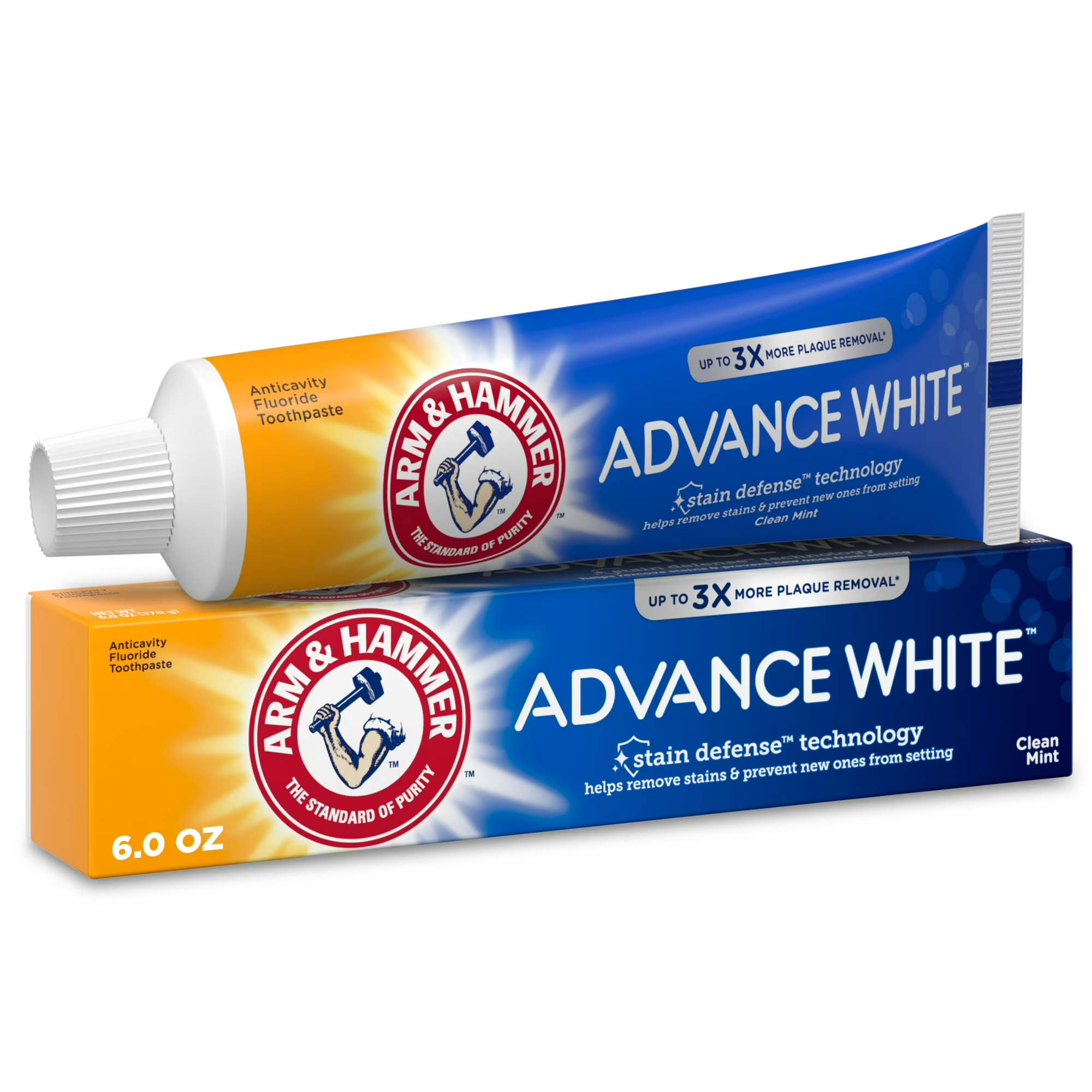
Arm & Hammer Advance White Extreme Whitening Toothpaste Clean Mint – Fluoride Toothpaste
-

Crest Gum Detoxify Gentle Whitening Toothpaste
-
Colgate Sensitive Whitening Toothpaste
-
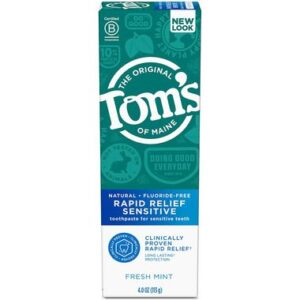
Tom’s of Maine Rapid Relief Sensitive Toothpaste
-
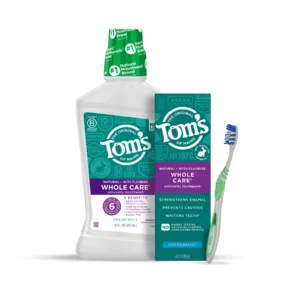
Tom’s of Maine Gluten Free Products
-
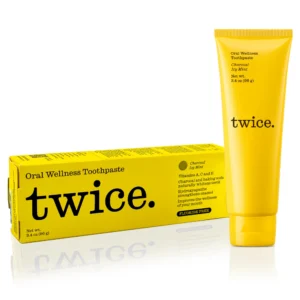
Twice Naturally Whitening Fluoride-Free Toothpaste – Activated Charcoal/Icy Mint
-

Orajel Cocomelon Training Toothpaste
-
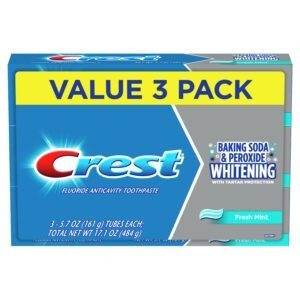
Crest Toothpaste, Whitening Baking Soda and Peroxide

Kids’ Dental Health: A High-Stakes Area
Choosing gluten free toothpaste for children is even more important because kids are significantly more likely to swallow the paste while learning to brush.
- Orajel: Their baby and toddler training toothpastes are gluten free, providing peace of mind during those early years.
- Crest Kids: Like the adult version, these are considered safe and are widely available.
- Hello Kids: These offer fun flavours like watermelon and bubble gum and are strictly labeled gluten free.
The Role of the Dentist
Your gluten free journey doesn’t end at the bathroom sink. When you go for a professional cleaning, the prophy paste used by the hygienist can often contain gluten as a thickener. Always inform your dental office that you are gluten free. Most modern offices carry gluten free polishing pastes, but it is worth confirming before they begin the procedure.
Final Tips for Gluten Free Success
- Check Every Time: Formulations change. A brand that was safe last year might update its supplier this year. A quick glance at the label during each purchase is a vital habit.
- Contact the Manufacturer: If a label is ambiguous, don’t hesitate to email the company. Most reputable brands have a prepared statement regarding their gluten free status.
- Watch the Mouthwash: Don’t forget that mouthwash and dental floss can also contain hidden gluten. Look for brands that offer a complete gluten free oral care suite.
Frequently Asked Questions About Gluten Free Toothpaste
Yes. Gluten can be used as a stabilizer, binder, or thickening agent to help the toothpaste maintain its consistency.
No. Gluten can also come from barley or rye, which may be hidden under the term “natural flavours.”
While “certified” is the gold standard, many brands are verified gluten free by their own testing, which is sufficient for most people with Celiac disease.
P&G states that Crest toothpastes are currently formulated without gluten, though they are not certified.
Yes, Colgate states that all their toothpastes are gluten free.
The most common risks are grain-based starches used as thickeners or malt-based natural flavorings.
Sensodyne does not use gluten ingredients, but they do not guarantee a gluten-free manufacturing environment. Learn more.
It is rare, but flavoured floss can occasionally use gluten-based flavour carriers. Stick to brands like Oral-B or Tom’s of Maine which are generally safe.
Not always. If the brand isn’t labeled gluten free, natural flavours could potentially be derived from barley.
Yes, Tom’s of Maine verifies that all their oral care products are gluten free.
Yes. Professional polishing paste (prophy paste) often contains gluten. Ask your dentist to use a gluten free brand.
There is no direct link between fluoride and gluten. You can find both fluoride and fluoride-free options that are safe.