



Navigating the world of gluten free flours can be overwhelming for both new and experienced bakers. This guide breaks down the science and application of over 15 different gluten free flours and starches. From the moisture-rich properties of almond flour to the essential binding power of tapioca starch, we explore how to blend, substitute, and troubleshoot your bakes.
Whether you are looking for a reliable 1-to-1 commercial blend or want to create your own signature mix, this resource provides the technical knowledge and practical tips needed for successful, delicious gluten free results.
Gluten Free Flours: Master Your Baking
When you first transition to a gluten free lifestyle, the baking aisle can feel like a foreign land. Traditional wheat flour is a “one-stop shop” for structure, elasticity, and crumb. In the gluten free world, however, no single flour can do it all. Mastering gluten free baking requires understanding that you aren’t just looking for a “substitute”, you are building a replacement for a complex protein network.
Understanding the Gluten Free Flour Spectrum
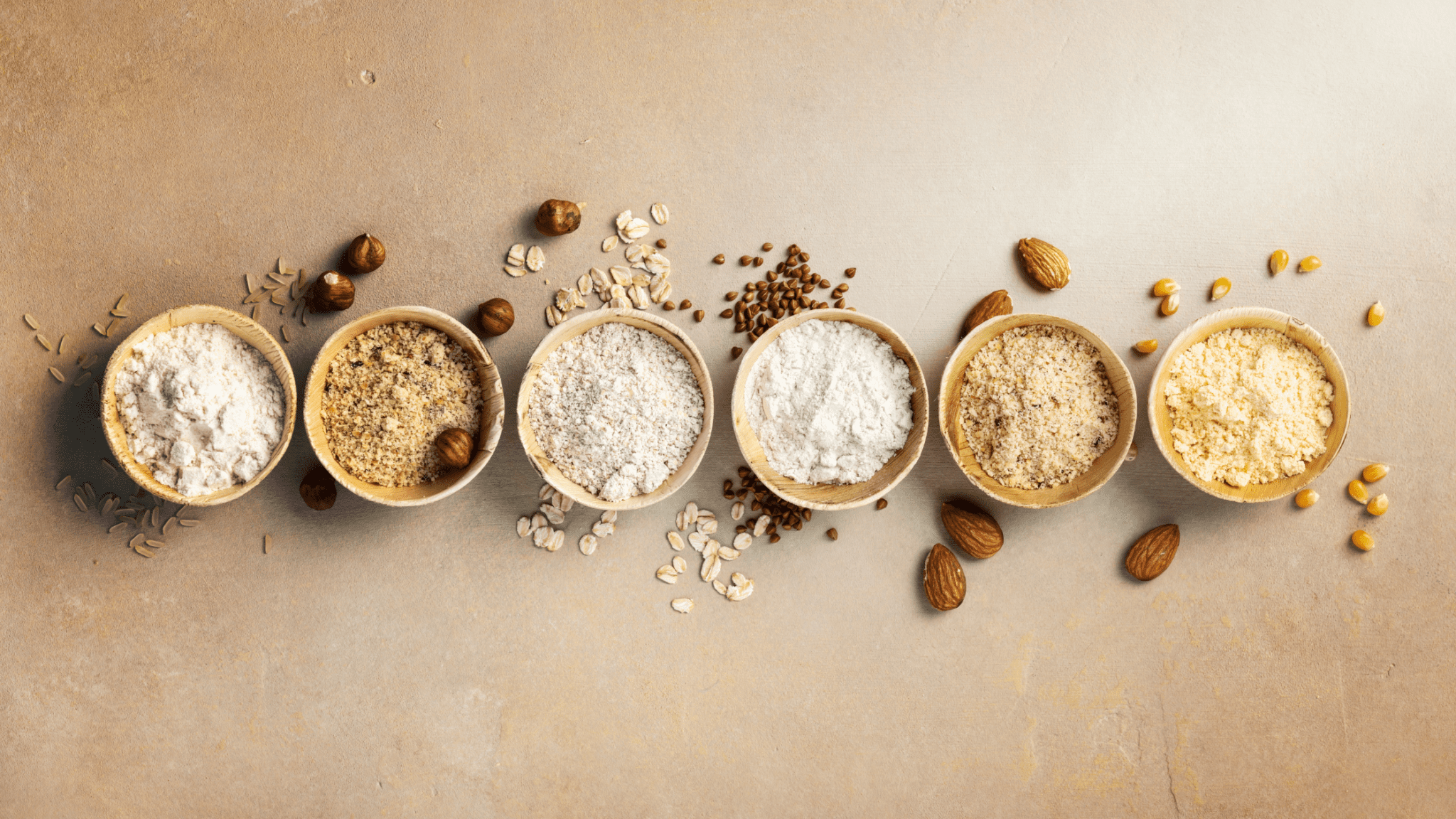
To bake successfully, it helps to categorize flours based on their weight and function. Most recipes require a combination of Foundation flours (grains), Weighty flours (nuts or legumes), and Starches (binders).
1. The Foundation: Grain-Based Flours
These flours typically make up the bulk of a gluten free blend. They provide the “crumb” and the neutral base for your flavors.
- Rice Flour (White and Brown): The most common foundation. White rice flour is neutral and light, making it ideal for delicate cakes. Brown rice flour is a whole grain, offering more fiber and a slight nuttiness. Pro Tip: Always look for “superfine” or “extra fine” grinds. Standard rice flour can be gritty, leading to a “sandy” mouthfeel in your finished products.
- Sorghum Flour: Often called the “sweet” flour, sorghum is arguably the closest in taste and texture to traditional wheat. It is high in protein and fiber and produces a beautiful, soft crumb in breads and muffins.
- Oat Flour: Known for making baked goods moist and chewy. It’s a favourite for cookies and pancakes. Safety Note: Only use oats specifically certified gluten free to avoid cross-contamination from wheat processing.
- Buckwheat Flour: Despite the name, it is a seed and entirely gluten free. It has a robust, earthy flavour and a dark colour, making it perfect for rustic artisan breads, pancakes, and galettes.
2. The Power Players: Nut and Alternative Flours
These flours add moisture, fat, and protein, which are often lacking in grain-only blends.
- Almond Flour: Made from blanched almonds, this is the gold standard for grain-free and keto baking. It provides a tender, moist crumb. Because of its high fat content, you may need to reduce the amount of oil or butter in recipes where almond flour is the primary ingredient.
- Coconut Flour: A unique beast in the pantry. It is extremely absorbent, acting almost like a sponge. You generally only need 1/4 cup of coconut flour to replace 1 cup of grain flour, and you will typically need to increase the liquid or egg count significantly to prevent dryness.
- Cassava Flour: Extracted from the whole yuca root, cassava is a favourite for 1-to-1 substitutions in non-yeasted recipes like tortillas, brownies, and cookies. It has a very neutral flavour and a slight “stretch” that mimics wheat.
3. The Glue: Starches and Binders
Without gluten, your bakes will crumble into dust without the help of starches. These are the light flours that provide the lift and the chew.
- Tapioca Starch (Flour): Derived from cassava root, this starch is essential for a chewy texture. It helps browning and provides a slightly elastic quality to breads and pizza crusts.
- Potato Starch: Not to be confused with potato flour (which is heavy and tastes like mashed potatoes), potato starch is light and powdery. It adds moisture and produces a very soft, light crumb in cakes and muffins.
- Arrowroot Powder: A fantastic alternative to cornstarch. It is very easy to digest and works well as a thickener or to add a “crisp” edge to cookies.
The Secret Sauce: Xanthan Gum and Psyllium Husk
Even with a perfect blend of flours and starches, you still need a structural binder to act as the scaffolding for your bake.
- Xanthan Gum: The most common binder. It mimics the elasticity of gluten. A general rule is 1/4 to 1/2 teaspoon per cup of flour for cakes and cookies, and up to 1 teaspoon for breads.
- Psyllium Husk: Often used in yeast breads. It creates a gel-like structure that allows dough to be shaped and handled similarly to traditional wheat dough.
Commercial 1-to-1 Blends vs. DIY Mixing
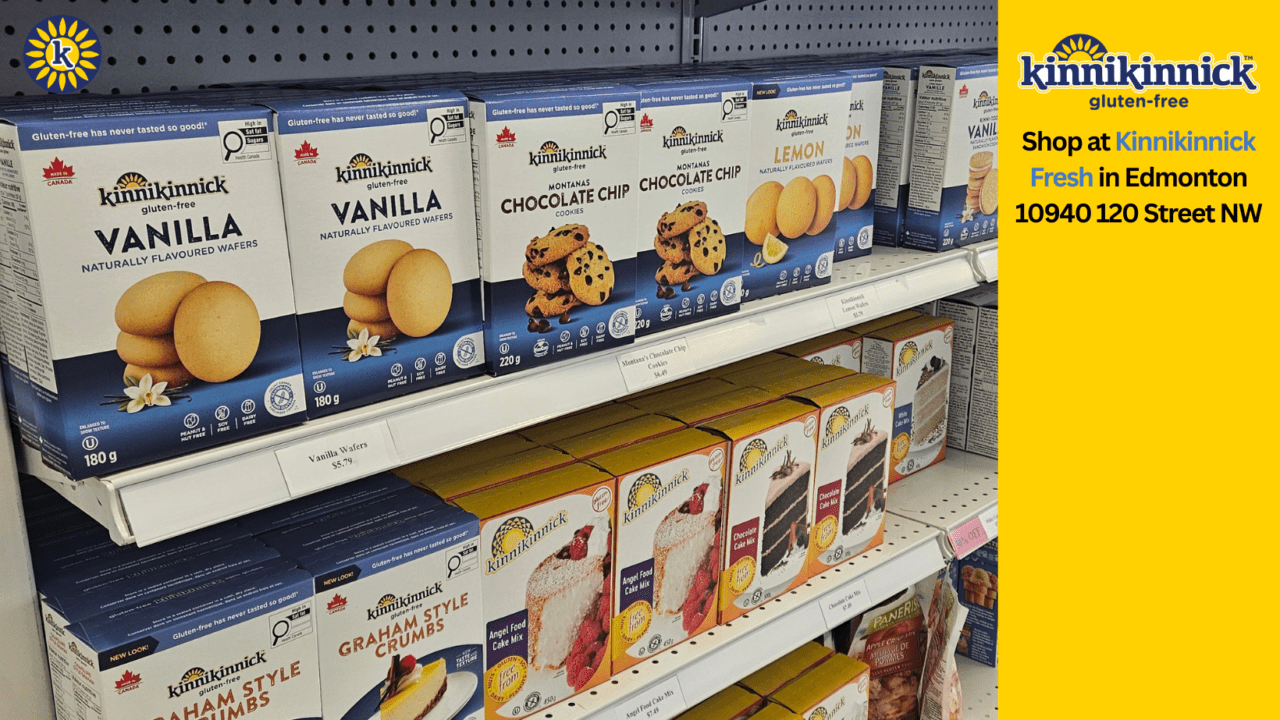
Commercial Blends: Brands like gfJules, King Arthur Measure for Measure, and Bob’s Red Mill (Blue Bag) have done the math for you. These are perfect for converting your grandmother’s old recipes without a chemistry degree. They typically already include xanthan gum.
DIY Blends: If you bake frequently, mixing your own can be more cost-effective and allows for better nutritional control. A classic starting ratio is 70% Grain Flours (Rice, Sorghum, Oat) and 30% Starches (Tapioca, Potato).
Bakery Blends: If you’re lucky like we are, your local gluten free baker may offer their own gluten free flour blends too. This becomes a great way to support your local gluten free bakery while still enjoying baking at home yourself.
Troubleshooting Your Bakes
- Too Dry? Add an extra egg or a tablespoon of applesauce/yogurt for moisture.
- Too Gritty? Let your batter rest for 20–30 minutes before baking. This allows the rice flour to hydrate and soften.
- Too Dense? Increase your leavening agent (baking powder/soda) by about 25% or use more starches in your mix.
Frequently Asked Questions About Gluten Free Flours
Yes! Despite having wheat in the name, buckwheat is a pseudocereal that is naturally gluten free and unrelated to wheat.
Not directly at a 1:1 ratio. Almond flour is much heavier and contains more fat. It is best to use recipes specifically developed for almond flour or use it as only 25% of your total flour blend.
Density is usually caused by a lack of moisture or insufficient binders. Gluten free dough needs to be much wetter than wheat dough (think thick cake batter rather than a kneadable dough).
Potato starch is a light, white powder used for lightness and moisture. Potato flour is made from the whole potato; it is heavy, yellowish, and has a strong potato flavour. They are NOT interchangeable.
In most baked goods (cakes, cookies, breads), yes. Without it, the items will be very crumbly. However, some 1-to-1 flour blends already have it included, so check your label!
Rice flours take longer to absorb liquid than wheat. A 20-minute rest period prevents a gritty texture and helps the bake rise more evenly.
Oats are naturally gluten free but are often contaminated by wheat during farming or processing. Only use oats/oat flour labeled “Certified Gluten-Free.”
Yes, they are generally interchangeable as thickeners. However, in baking, tapioca provides more “chew,” while cornstarch provides more “crisp.”
A blend high in tapioca starch and sorghum flour generally yields the best results for a crispy yet chewy crust.
Because many GF flours (like almond and brown rice) contain natural oils, they can go rancid. Store them in airtight containers in a cool, dark place, or in the freezer for long-term storage.
Absolutely! A simple all-purpose DIY ratio is 2 parts white rice flour, 2 parts brown rice flour, 1.5 parts potato starch, and 0.5 parts tapioca starch.