For many, the holidays or a quiet afternoon tea aren’t complete without the buttery snap of a traditional shortbread cookie. However, moving to a gluten free diet often means leaving behind those nostalgic textures. Shortbread is notoriously difficult to replicate without wheat because it relies entirely on the delicate balance of fat and flour structure.
This gluten free shortbread cookies recipe is a faithful adaptation of our beloved Grandma’s Shortbread, specifically adjusted for gluten free bakers. While many gluten free cookies turn out hard, sandy, or gritty, this recipe utilizes a high ratio of cornstarch. The cornstarch acts as a tenderizer, softening the proteins in the all-purpose gluten free flour blend and replicating the “short” texture (crumbly yet cohesive) that defines a perfect shortbread cookie.
The result is a cookie that is pale, delicate, and buttery, indistinguishable from its wheat-based counterpart. It requires only simple gluten free ingredients and zero eggs, making it a safe and easy gluten free recipe option for those with multiple dietary restrictions.

Gluten Free Shortbread Cookies Recipe
Ingredients
- ½ cup cornstarch - ensure the brand is certified gluten free to avoid cross-contamination.
- ½ cup icing sugar - (confectioners' sugar) sifted to remove lumps.
- 1 cup all-purpose gluten-free flour - use a blend that measures 1:1 with wheat flour. Note: If your blend does not contain xanthan gum, add 1/4 teaspoon to help bind the dough.
- ¾ cup unsalted butter - softened to room temperature, not melted.
- candied cherries, sprinkles, or melted chocolate - optional – for decoration

Instructions
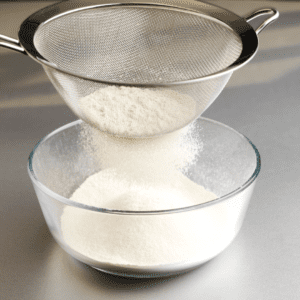
- Sift and Mix: In a large bowl, sift together the cornstarch, icing sugar, and gluten free flour. Sifting is crucial in gluten free baking to aerate the flour and prevent clumps.1/2 cup cornstarch, 1/2 cup icing sugar, 1 cup all-purpose gluten-free flour
- Incorporate Butter: Add the softened butter. Using a wooden spoon (or clean hands), blend the butter into the dry ingredients.3/4 cup unsalted butter
- Form the Dough: Continue mixing until a soft, smooth dough forms.
- Shape: Roll the dough into 1-inch (2.5 cm) balls. Place them 1 1/2 inches apart on an ungreased cookie sheet (or lined with parchment paper for easier cleanup).
- Flatten: Lightly flour a fork with your gluten free flour and gently press down on each ball to flatten it. **
- Bake: Bake in a preheated oven at 300°F (150°C) for 15–20 minutes.
- Cool: The cookies are done when the edges are very lightly browned. Remove from the oven and let them cool on the baking sheet for at least 5 minutes before transferring to a wire rack. Gluten free cookies are fragile when hot and firm up as they cool.
Notes
Nutrition
Step-by-Step Cookie Baking Instructions
Sift for Success
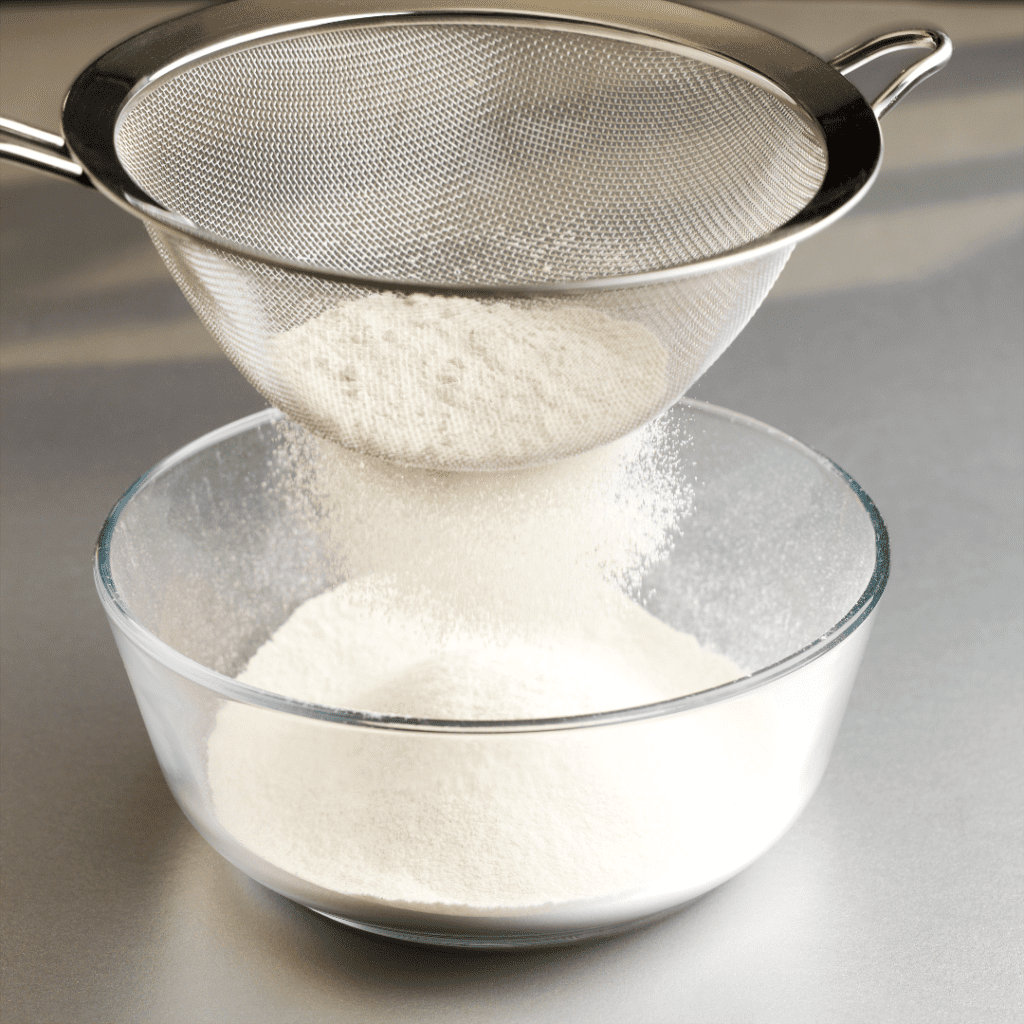
In gluten free baking, aeration is key. Place a fine-mesh sieve over a large mixing bowl. Add the cornstarch, icing sugar, and gluten free flour (and xanthan gum, if adding separately). Sift them together. This removes hard lumps of sugar and ensures the gum is evenly distributed throughout the flour, preventing gummy pockets in the final cookie.
The “Rub-In” Method
Add the softened butter to the bowl. Unlike standard cookies where you cream butter and sugar first, traditional shortbread works best when you blend the butter into the dry ingredients simultaneously. Use a wooden spoon or, ideally, your clean hands to rub the butter into the flour mixture.
The Hydration Rest (Do Not Skip!)
Once the dough forms a ball, stop. You might notice the dough feels slightly “thirstier” or crumblier than wheat dough. Cover the bowl with plastic wrap and let it sit on the counter for 15 minutes.
- Why? Gluten free flours (rice, potato, tapioca) take longer to absorb fat and moisture than wheat flour. This resting period eliminates the “gritty” texture often found in GF baking.
Shape and Press
Preheat your oven to 300°F (150°C). Roll the dough into small, walnut-sized balls (approx. 1 inch). Place them on a cookie sheet. While the original recipe calls for an ungreased sheet, using parchment paper is highly recommended for gluten free baking to prevent sticking and ensure even heat distribution.
Dip a fork into a small dish of extra gluten free flour/cornstarch. Gently press down on each ball to flatten it to about 1/2-inch thickness.
Bake Low and Slow
Bake in the center of the oven for 15 to 20 minutes.
- Visual Cue: Shortbread Cookies should not brown significantly. You are looking for a “set” appearance and perhaps the tiniest hint of golden colour on the bottom edge. If they are browning on top, they are overdone.
The Cooling Phase
Remove from the oven. Do not touch them yet. Gluten free cookies are incredibly fragile when hot because the structure hasn’t solidified. Let them cool completely on the baking sheet (about 10–15 minutes) before transferring to a wire rack or serving plate.
Expert Tips & FAQs for Gluten Free Shortbread Cookies
This is a hydration issue. If the dough is too dry to hold a shape, your butter may have been too cold, or your flour blend is particularly absorbent (coconut flour blends, for example, absorb tons of moisture).
The Fix: Let the dough sit for the recommended 15 minutes. If it’s still dry, wet your hands with warm water and knead the dough gently. The moisture from your hands is usually just enough to bring it together without changing the chemistry of the recipe.
Absolutely. This dough is a blank canvas.
Lemon: Add 1 tablespoon of lemon zest to the butter before mixing.
Earl Grey: Grind 1 tablespoon of loose-leaf tea into the flour mixture.
Pecan: Add 1/4 cup of finely chopped pecans for a “Sandie” style cookie.
Chocolate: Dip the cooled cookies halfway into melted dark chocolate.
Cornstarch lowers the protein content of the cookie. In wheat flour, protein creates gluten (chewiness). In shortbread, we want zero chewiness; we want “snap” and “melt.” Cornstarch provides that delicate, sandy texture. You can substitute potato starch by weight, but cornstarch generally yields a smoother mouthfeel for this specific cookie.
The butter was likely too warm or melted before mixing. Shortbread relies on the fat being semi-solid when it enters the oven. If your kitchen is very warm, chill the formed cookies on the baking sheet in the fridge for 20 minutes before putting them in the oven. This hardens the fat again and helps them keep their shape.
Yes. You can roll the dough into a log, wrap it tightly in plastic wrap, and refrigerate it for up to 3 days. When ready to bake, simply slice coins from the log (slice-and-bake style) rather than rolling balls. This method actually produces a very attractive, uniform round cookie.
Yes, but the brand of butter alternative matters. Do not use “tub” margarine, which has high water content. Use high-fat “European style” vegan butter sticks (like Miyoko’s or Flora Plant Butter). Keep the vegan butter very cold, as it melts faster than dairy butter.
Humidity is the enemy of shortbread. Store them in an airtight metal tin (classic cookie tin) rather than plastic Tupperware, if possible. They will keep at room temperature for 7 – 10 days. If you need to keep them longer, freeze them in an airtight container for up to 3 months.

They actually melt in your mouth! Great shortbread cookie recipe. Thanks!
I’ve tried so many gluten free shortbread recipes that ended up gritty or way too crumbly, but this one is a total game-changer. The cornstarch really does make a difference, they have that perfect buttery ‘snap’ followed by a melt-in-your-mouth texture. You honestly can’t tell they’re gluten-free. My non-GF family members couldn’t stop eating them! Highly recommend baking.
Great recipe! If you’re looking for that classic ‘short’ texture without the wheat, this is it. I followed the recipe exactly and the dough was very easy to work with. Make sure not to overbake them, they should stay nice and pale to keep that delicate texture. They pair perfectly with a cup of tea!
I love that this recipe only requires basic pantry staples. It’s incredibly easy to pull together, and the dough was surprisingly easy to work with (it didn’t crumble apart while I was rolling the balls). This is the one to save
I made a batch of these for a family gathering where most people aren’t gluten free, and they disappeared in minutes. No one could tell they were GF! They have a rich, buttery flavor that isn’t too sweet, making them the perfect companion for a cup of tea. I topped mine with a little melted chocolate and sea salt, but they are just as good plain. This is officially my new shortbread cookie recipe.
Finally, a gluten-free shortbread that isn’t sandy! These are incredibly easy to make with just a few staple ingredients. They turned out pale, buttery, and delicate. This will be my go-to recipe from now on!