
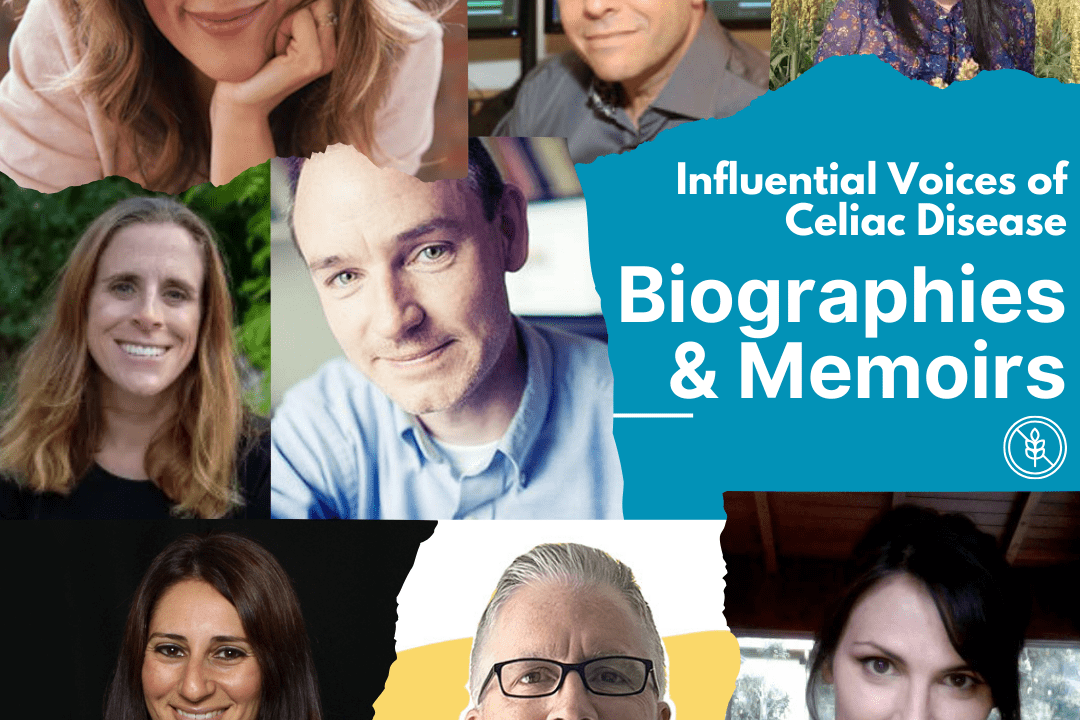


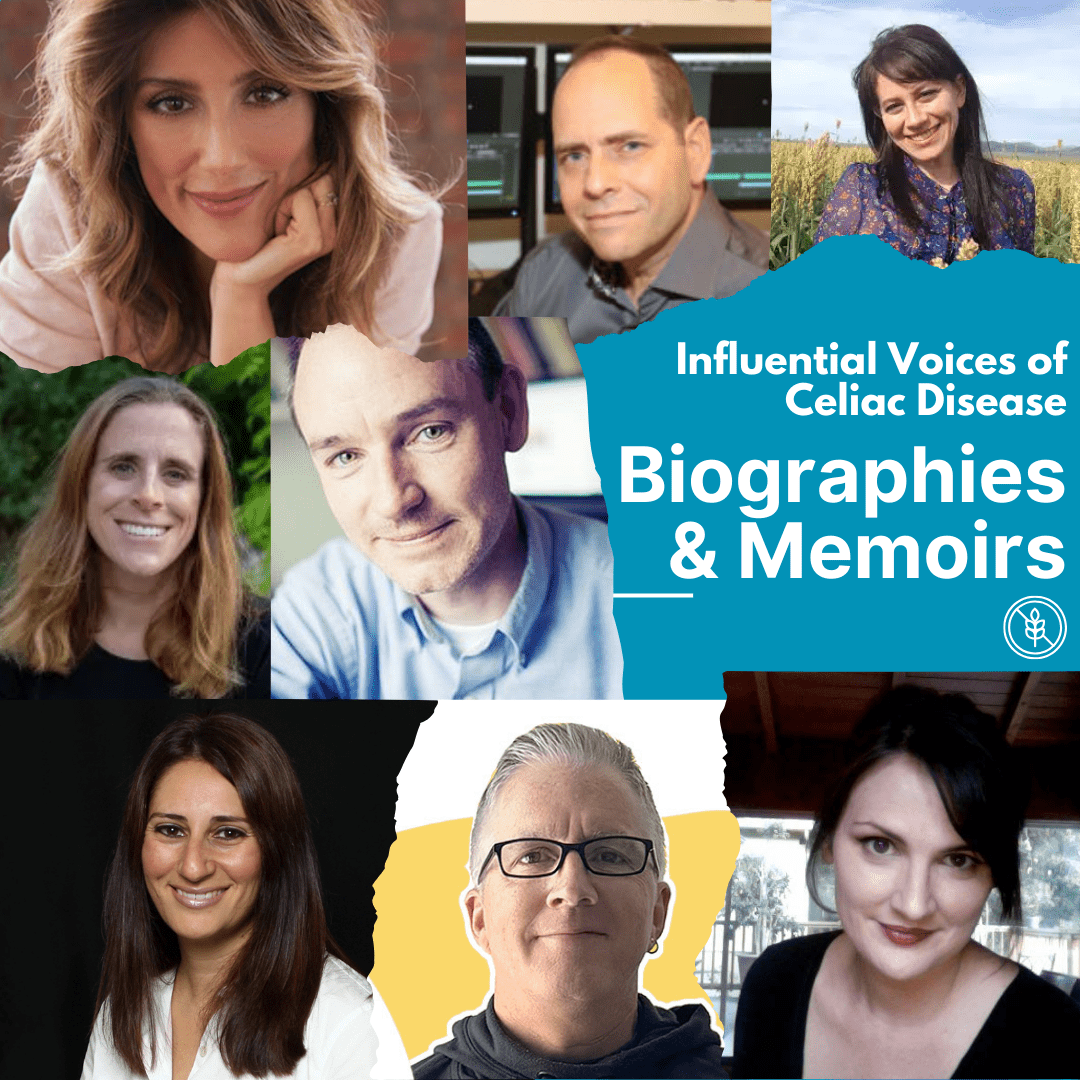
The path to health following a Celiac disease or gluten sensitivity diagnosis is paved with more than just dietary changes; it is built on the shared wisdom of those who have navigated the journey before. This comprehensive guide highlights the influential voices, authors, and advocates within the gluten free community.
From the clinical insights of medical professionals and the resilience of long-term survivors to the humour found in memoirs and the creative advocacy of filmmakers, these biographies offer a roadmap for living a vibrant, unrestricted life. By exploring the personal stories of leaders like Lisa Cantkier, Jennifer Esposito, and GlutenDude, readers can find the empathy, education, and inspiration necessary to transform their own health challenges into a narrative of empowerment.
Voices of Resilience: The People Behind the Gluten Free Biographies and Memoirs
When you are first diagnosed with Celiac disease or a gluten-related disorder, the world can suddenly feel very small. Your kitchen becomes a potential minefield, social outings feel like high-stakes negotiations, and the internal grief over losing “normal” food can be overwhelming. In these moments, medical data is rarely enough. We need human stories. We need to know that others have felt this frustration, faced these hurdles, and come out on the other side not just surviving, but thriving.
The following biographies and memoirs represent the foundational literature of the gluten-free movement. These individuals have turned their personal health crises into public service, providing the community with a collective voice that demands better labeling, more awareness, and a higher standard of living for everyone requiring a gluten-free diet.
Lisa Cantkier: A Lifelong Legacy of Advocacy
As the founder of Allergic Living, Lisa Cantkier’s story is inextricably linked to the history of Celiac awareness in Canada. Diagnosed in the early 1980s—a time when gluten-free products were virtually non-existent and medical knowledge was sparse—Lisa’s childhood was a masterclass in resilience. After a harrowing period of malnutrition and medical uncertainty, her diagnosis saved her life.
Lisa transitioned her early experiences into a career as a Certified Holistic Nutritionist and a prolific health writer. Her work focuses on the “whole person” approach, emphasizing that healing the gut is only one part of the equation. Her biography is a testament to the power of long-term management and the importance of using one’s platform to simplify the journey for the next generation.
Jennifer Esposito: The Hollywood Wake-Up Call
In her raw and honest memoir, Jennifer’s Way, actress Jennifer Esposito details her decades-long struggle with mysterious, debilitating symptoms that nearly cost her her career and her life. Esposito’s story resonated with millions because it highlighted a systemic failure in the healthcare system: the tendency to dismiss women’s physical symptoms as psychological.
By sharing her “way”—a path of self-advocacy, rigorous dietary control, and the opening of her own gluten free bakery—Esposito became a fierce protector of the Celiac community. Her biography serves as a reminder that fame does not exempt one from the struggle for a diagnosis, and that standing up for your health is the most important role you will ever play.
GlutenDude (Scott): The No-Nonsense Truth Teller
If the gluten free world has a “guard dog,” it is Scott, known globally as GlutenDude. Frustrated by the “fad diet” trend and the lack of empathy for those with Celiac disease, Scott launched his platform to provide a space for honest, unfiltered conversation.
His book, From Crappy to Happy: The Naked Truth About Living with Celiac Disease, and his popular app focus on protecting the community from cross-contamination and the “BS” of the food industry. Scott’s biography is one of activism; he is less interested in “pretty” food pictures and more interested in the safety and mental health of his “GF brothers and sisters.” His voice is essential for anyone tired of the sugar-coated version of chronic illness.
April Peveteaux: Finding the Humor in the Hardship
April Peveteaux, the creator behind Gluten is My Bitch, brought something much-needed to the community: permission to be angry and funny at the same time. Her books and blog explore the social awkwardness, the “food envy,” and the sheer annoyance of having to ask a thousand questions before taking a bite.
April’s narrative is vital because it validates the emotional “middle ground.” You don’t always have to be a “warrior”; sometimes, you can just be a person who is annoyed that they can’t eat a doughnut. Her biography encourages readers to laugh at the absurdity of the gluten-free life, which is often the best medicine for the stress of the diet.
Erica Dermer: The Community Builder
Erica Dermer of Celiac and the Beast is a powerhouse of energy and community engagement. Her book and digital presence are dedicated to the “beast” that is Celiac disease—and how to tame it. Erica’s biography is defined by her transparency regarding the “un-glamorous” side of the disease, including skin issues, digestive flares, and the mental load of constant vigilance.
As a prominent figure at gluten-free expos and industry events, Erica acts as a bridge between brands and consumers, ensuring that the products hitting the shelves actually meet the needs of those with the strictest requirements.
Paul Graham: The Art of Letting Go
In his beautifully written memoir, In Memory of Bread, Paul Graham approaches the Celiac diagnosis from a literary and philosophical perspective. For Paul, an avid home baker and craft beer enthusiast, the diagnosis was a profound loss of culture and craft.
His story follows the grieving process for “the staff of life” and the eventual discovery of new rituals. Graham’s biography is essential for those who find the transition culturally difficult. He proves that while you may have to leave the bread behind, you don’t have to leave behind the joy of a well-lived, flavorful life.
Michael Frolichstein: Documenting the Change
Michael Frolichstein took his quest for answers and turned it into The Celiac Project, a documentary and podcast series that has become a staple for the newly diagnosed. After years of poor health, Michael’s diagnosis was a turning point that sparked a desire to help others avoid the “diagnostic gap.”
His biography highlights the power of media in health education. By interviewing experts and everyday people, Michael has created a living history of the Celiac experience, emphasizing that we are stronger when we share our collective data and stories.
Sophia Bagley: The Voice of Youth
Advocacy knows no age limit, as proven by Sophia Bagley. Her book, Invisible Grains, uses poetry and prose to explain the complexities of Celiac disease to children and their peers. Sophia’s biography is particularly inspiring for parents; she shows that a child can take ownership of their health and use their experiences to mentor others. Her work with Camp Celiac and the Girl Scouts demonstrates that the next generation of advocates is already leading the way.
Dr. Delise Dickard: The Psychological Perspective
Dr. Delise Dickard provides a unique and necessary contribution to the gluten free library. As a psychologist who also lives with Celiac disease, she focuses on the mental health implications of chronic illness.
Her biography is centered on the “invisible” symptoms: the anxiety of dining out, the depression that can accompany a lifestyle shift, and the strain on relationships. Dr. Dickard’s work provides the community with the psychological tools needed to navigate the social and emotional landscape of a gluten-free life, proving that a healthy mind is just as important as a healthy gut.
Expanding the Library: Other Essential Voices
- Shauna James Ahern: Often called the “Gluten-Free Girl,” Shauna was one of the first to focus on the abundance of what you can eat, rather than the restrictions. Her memoirs celebrate the romance of food.
- Elisabeth Hasselbeck: In The G-Free Diet, Hasselbeck brought Celiac disease into the mainstream media spotlight, helping to jumpstart the national conversation about gluten and autoimmune health.
- Gluten-Free Globetrotter (Erin Smith): Her biography is a testament to the fact that Celiac disease does not have to stop you from seeing the world. Her travel-focused advocacy has opened doors for gluten-free adventurers everywhere.
Why Your Story Matters
The individuals listed above started exactly where you are: with a question, a symptom, and a desire to feel better. By reading these biographies, you aren’t just consuming information; you are participating in a tradition of storytelling that spans decades.
The transition to a gluten free journey is a metamorphosis. It requires you to become an expert in food science, a negotiator in social settings, and a protector of your own wellbeing. Whether you find comfort in April Peveteaux’s humour, Scott’s activism, or Paul Graham’s prose, remember that your story is also being written. Every time you advocate for yourself at a restaurant or share a safe recipe with a friend, you are adding a page to the collective biography of the gluten free community.
Frequently Asked Questions
It depends on your current needs! If you want humor and relatability, try April Peveteaux. If you are struggling with the loss of “food culture,” Paul Graham is excellent. For those who want a “tough love” approach to safety, Scott (GlutenDude) is the go-to resource.
Lisa is a Certified Holistic Nutritionist and frequent contributor to many health platforms. You can find her latest advice and contact information directly through the Allergic Living website.
Sophia Bagley’s Invisible Grains is specifically designed for a younger audience. For parents, Erica Dermer and Jennifer Esposito offer insights that can help you navigate the school system and social circles for your children.
Celiac disease is more than a digestive issue; it affects your social life, your finances, and your stress levels. Advocates like Dr. Delise Dickard emphasize that treating the emotional impact is just as crucial as the diet itself to avoid burnout.
Yes! Most of the people featured, like Erica Dermer (Celiac and the Beast) and GlutenDude, have very active communities on Instagram, Twitter, and Facebook where they share real-time tips and product reviews.
While her physical storefronts have changed over the years, her “Jennifer’s Way” philosophy continues through her books and online resources, providing recipes and flour blends for the Celiac Disease community.