


The Quick Answer: Is Peanut Butter Gluten Free?
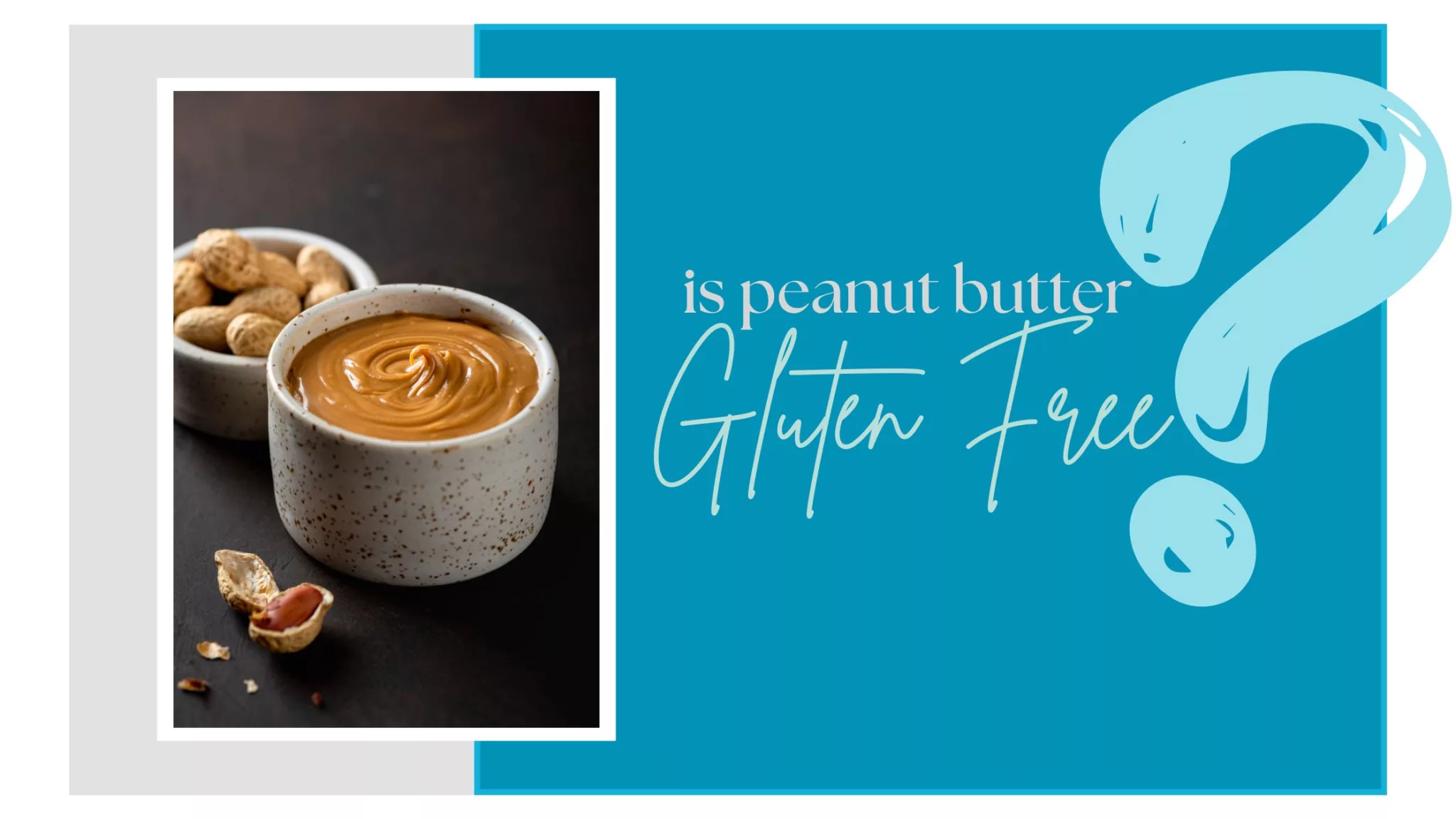
In its purest form, made simply from roasted peanuts and perhaps a pinch of salt, peanut butter is naturally gluten free. Because peanuts are legumes and do not contain the gluten protein found in wheat, barley, or rye, most jars of peanut butter are safe for those on a gluten free journey.
However, for those living with Celiac Disease or severe gluten sensitivity, the answer isn’t always as simple as looking at the ingredient list. From manufacturing processes to kitchen habits, there are several hidden ways gluten can sneak into your favourite nutty spread.
When Peanut Butter Contains Gluten
While rare, some peanut butter brands may use additives or stabilizers that contain gluten. Always be on the lookout for:
- Malt Flavouring or Malt Syrup: Derived from barley, this is a common gluten-containing sweetener.
- Wheat Flour or Starches: Occasionally used as thickeners in “low-fat” varieties to make up for the texture lost when fat is removed.
- Cross-Contaminated Mix-ins: Peanut butters that come with “cookie bits,” “pretzel pieces,” or “brownie swirls” are almost never gluten free unless specifically labeled otherwise.
The Danger of Cross-Contamination in Manufacturing
Even if the ingredients are clean, the facility might not be. Some companies process their peanut butter on the same equipment used for products containing wheat or gluten-based thickeners. If you are highly sensitive, look for the Certified Gluten Free seal. This ensures the product has been tested to contain less than 10ppm or 20ppm of gluten, depending on the certifying body.
The Shared Jar Risk is the Double-Dipping Trap
The biggest gluten risk for peanut butter often happens inside your own home. If you live in a shared household where others eat gluten-containing bread, the peanut butter jar becomes a high-traffic area for cross-contamination.
A knife used to spread peanut butter on wheat bread is often dipped back into the jar for a second scoop, leaving behind microscopic crumbs. For individuals with Celiac Disease, these tiny crumbs are enough to trigger a reaction.
- The Solution: Consider having a dedicated Gluten Free Only jar clearly marked with a sticker, or switch to squeeze bottles which eliminate the need for a knife altogether.
Safe Peanut Butter Brands to Look For
Many mainstream brands are remarkably consistent with their gluten free status. In Canada and the US, the following brands usually offer gluten free peanut butter options:
- Kraft: Most varieties are gluten free, but always check the label for the most up-to-date information.
- Adams Natural: A favourite for those who want just peanuts and salt.
- Jif & Skippy: Most of their standard creamy and crunchy varieties are labeled gluten free.
- Justin’s: High-end options that are strictly labeled and often certified.

Conclusion
Peanut butter is a nutritional powerhouse, packed with healthy fats and protein. By choosing certified brands and practicing “safe spreading” at home, you can keep this staple in your pantry without fear. Always remember: when in doubt, read the label every single time, as formulations can change without notice.
Frequently Asked Questions About Peanut Butter
Yes, most Kraft Peanut Butter varieties in Canada are considered gluten free. However, Kraft does not always use a “Certified Gluten Free” logo, so it is important to check the ingredient list for any “hidden” gluten or “may contain” statements on every new jar you purchase.
From a gluten perspective, natural peanut butter (peanuts and salt) is often safer because it lacks the complex stabilizers and additives where gluten can hide. However, both can be safe as long as they are produced in a gluten free facility.
This is a precautionary statement indicating that the product was manufactured in a facility or on shared equipment that also processes wheat. For those with Celiac disease, it is generally recommended to avoid products with this warning.
Many commercial peanut butters use soybean oil as a stabilizer. If you are avoiding both gluten and soy, look for “Natural” varieties that contain only peanuts and sea salt.
Most powdered peanut butters are gluten free, but they are more processed than traditional spreads. Always check the packaging for a gluten free claim, as some flavoured versions (like chocolate or vanilla) may contain different additives.
The safest method is the “Two Jar System.” Use a permanent marker to write “Gluten Free” in large letters on the lid of your jar. Alternatively, use a squeeze bottle of peanut butter to ensure no knives ever touch the contents inside.