
Have you recently received a diagnosis of celiac disease, non-celiac gluten sensitivity, or another medical condition that requires you to eliminate gluten? Navigating this sudden shift in your lifestyle can feel incredibly overwhelming. You might be staring at your pantry shelves right now, wondering what is safe to keep and what needs to go. Rest assured, you are not alone. Millions of Canadians have successfully navigated this transition, and with a bit of guidance, you can learn how to go gluten free easily.
Transitioning to a gluten free lifestyle is a continuous learning experience rather than an overnight switch. By understanding the fundamentals of ingredient reading, cross-contamination, and proper labelling standards in Canada, you can confidently take control of your plate and your health.
The Critical First Step: Seek a Formal Diagnosis
When individuals first begin researching how to go gluten free, a common instinct is to clear out the kitchen immediately. However, health professionals and organizations like Celiac Canada strongly recommend securing a formal medical diagnosis before you permanently remove gluten from your daily routine.
If you stop eating gluten before undergoing blood tests or an endoscopy, your body will begin to heal. This sounds like a positive change, but it actually masks the accurate biological indicators required for a definitive diagnosis. To get reliable test results later, you would have to undergo what is known as a “gluten challenge”—reintroducing gluten back into your diet for several weeks, which can cause significant physical discomfort and pain.
Even if you are exploring how to go on a gluten free diet purely to boost your energy levels or address vague digestive issues, knowing whether you have celiac disease or a non-celiac sensitivity determines how strictly you must avoid cross-contamination for the rest of your life.
How to Eat Gluten Free Safely: Mastering Label Reading
Once your medical testing is complete, your very first practical skill involves decoding product packaging. Learning how to eat gluten free safely relies almost entirely on your ability to spot hidden sources of wheat, rye, and barley.
In Canada, food labelling laws are stringent. Health Canada requires that all priority allergens, including wheat and gluten sources (such as barley, oats, rye, and triticale), be clearly declared on food labels. Look closely at the ingredient list or check for a clear “Contains” statement at the bottom of the list.
Identifying Hidden Sources of Gluten
Gluten is a master of disguise. It is frequently utilized as a thickener, binding agent, or flavour enhancer in items you might never suspect. When evaluating foods, watch out for these common culprits:
Sauces and Condiments: Soy sauce traditionally contains wheat. Salad dressings, gravies, and marinades often use flour as a thickener.
Processed Meats: Deli meats, sausages, and pre-formed burger patties often contain fillers made from wheat crumbs.
Soups and Bouillons: Canned soups and bouillon cubes frequently rely on wheat starch.
Seasoning Blends: Multi-ingredient spice packets sometimes use wheat flour or wheat starch to prevent caking.
Understanding Labels and the Path to Certification
As you learn how to go on a gluten free diet, you will quickly encounter various terms on packaging, such as “Gluten Free,” “Gluten Friendly,” or “Made without Gluten.” Understanding the difference between these definitions is vital for your health.
A product that is simply labelled “gluten free” in Canada must comply with Health Canada’s regulations, ensuring it contains less than 20 parts per million (ppm) of gluten. However, if you want the highest level of assurance, look for third-party certified symbols.
Many manufacturers want to know how to get gluten free certification to prove their commitment to consumer safety. In Canada, this is typically achieved through the Gluten Free Certification Program (GFCP), which is endorsed by Celiac Canada. When a facility undergoes this rigorous process, its entire manufacturing environment, ingredient sourcing, and testing protocols are audited to eliminate cross-contamination risks. Seeing a recognized certification logo on a package gives you absolute peace of mind that the product is completely safe for celiac consumers.
On the other hand, terms like “gluten friendly” are often used by restaurants or processed food brands that cannot guarantee a strict gluten free environment. These items should generally be avoided if you have celiac disease.
Creating a Gluten Free Safe Haven at Home
To make your transition smooth, you need a kitchen environment that minimizes the risk of accidental exposure.
The 80/20 Approach to Whole Foods
When considering how to structure your daily meals, a helpful rule of thumb is to maintain an 80% naturally gluten free to 20% gluten free substitutes ratio. Basing your diet primarily on whole, naturally gluten free foods makes your daily routine much safer. Focus your grocery cart around:
- Fresh fruits and vegetables
- Plain, unmarinated meats, poultry, and fish
- Eggs and dairy products
- Whole grains like rice, quinoa, buckwheat, and corn
The remaining 20% of your diet can consist of direct substitutes like gluten free breads, pastas, and baked goods. Relying less on processed substitutes in the beginning allows your digestive system a gentler environment to heal.
Purging and Dividing the Kitchen
If you live in a shared household where others still consume gluten, total elimination might not be feasible. In these instances, clear boundaries are required:
- Dedicated Appliances: Buy a separate toaster exclusively for gluten free bread. A standard toaster retains crumbs that will instantly cross-contaminate your food.
- Separate Utensils and Boards: Use dedicated cutting boards (preferably colour-coded) and wooden utensils, as wood can trap microscopic gluten proteins.
- Condiment Safety: Invest in squeeze bottles for condiments like mayonnaise, mustard, and jam. Sucking a knife back into a jar after spreading it on wheat bread leaves crumbs behind, contaminating the entire container.
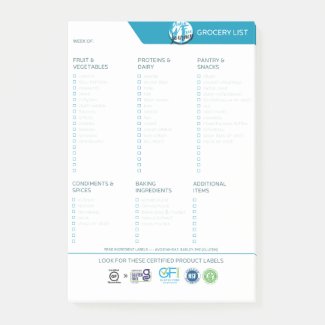
Cooking from scratch is also easier when starting a gluten free journey. Discover easy to make Celiac Disease safe recipes, with easy to follow videos and step by step how-tos based on the gluten free ingredients you know & love. Our fast, easy gluten free recipe ideas are all made for home cooks!

5 Gluten Free Comfort Food Recipes (Hearty & Simple)
Managing Celiac disease or a non-celiac gluten sensitivity often means missing traditional comfort foods. Casseroles, thick stews, sou…
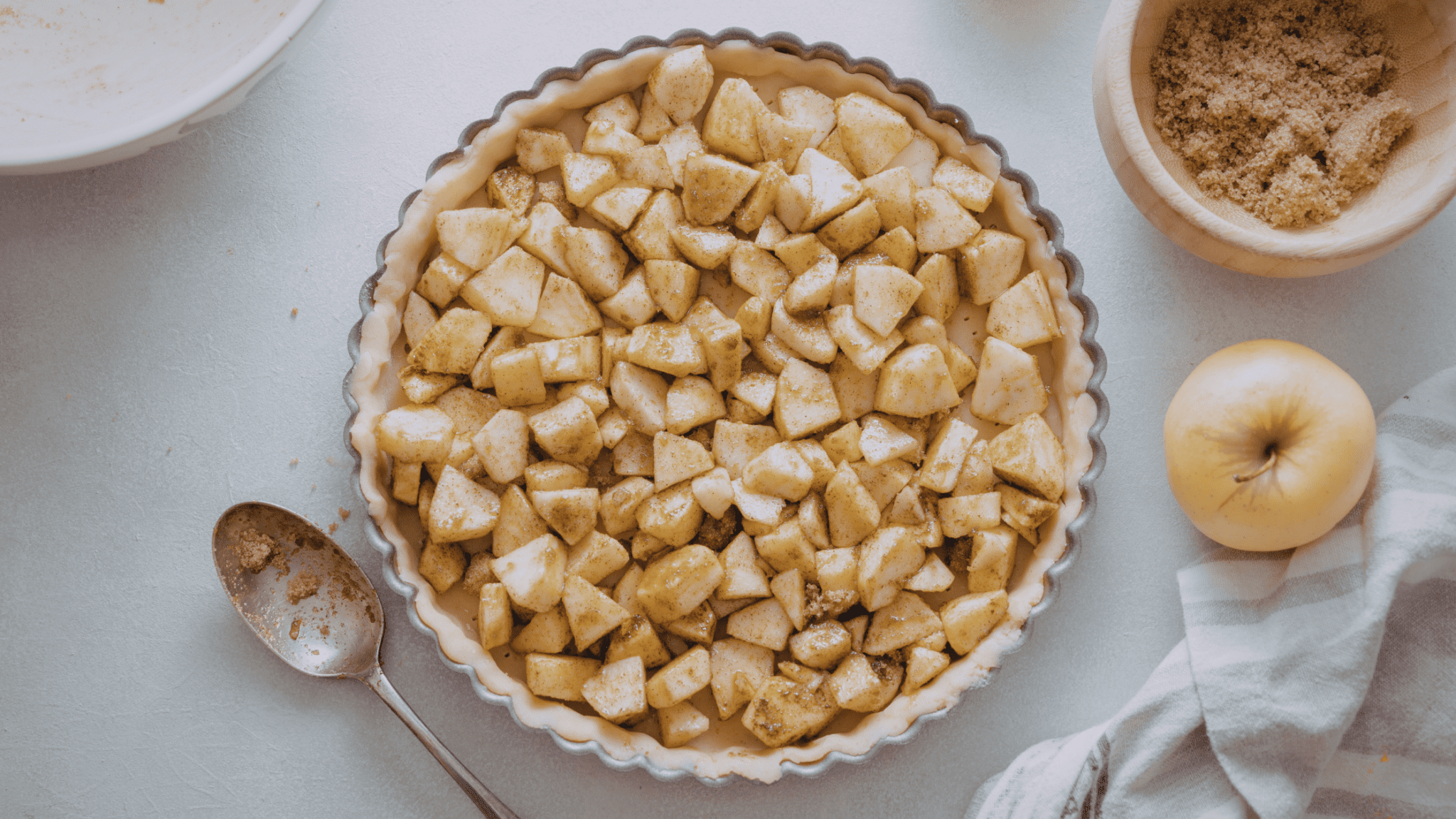
Apple Pie Filling
Enjoy apple pie again with this easy gluten free recipe. This gluten free apple pie filling recipe is scrumptious and printable too!
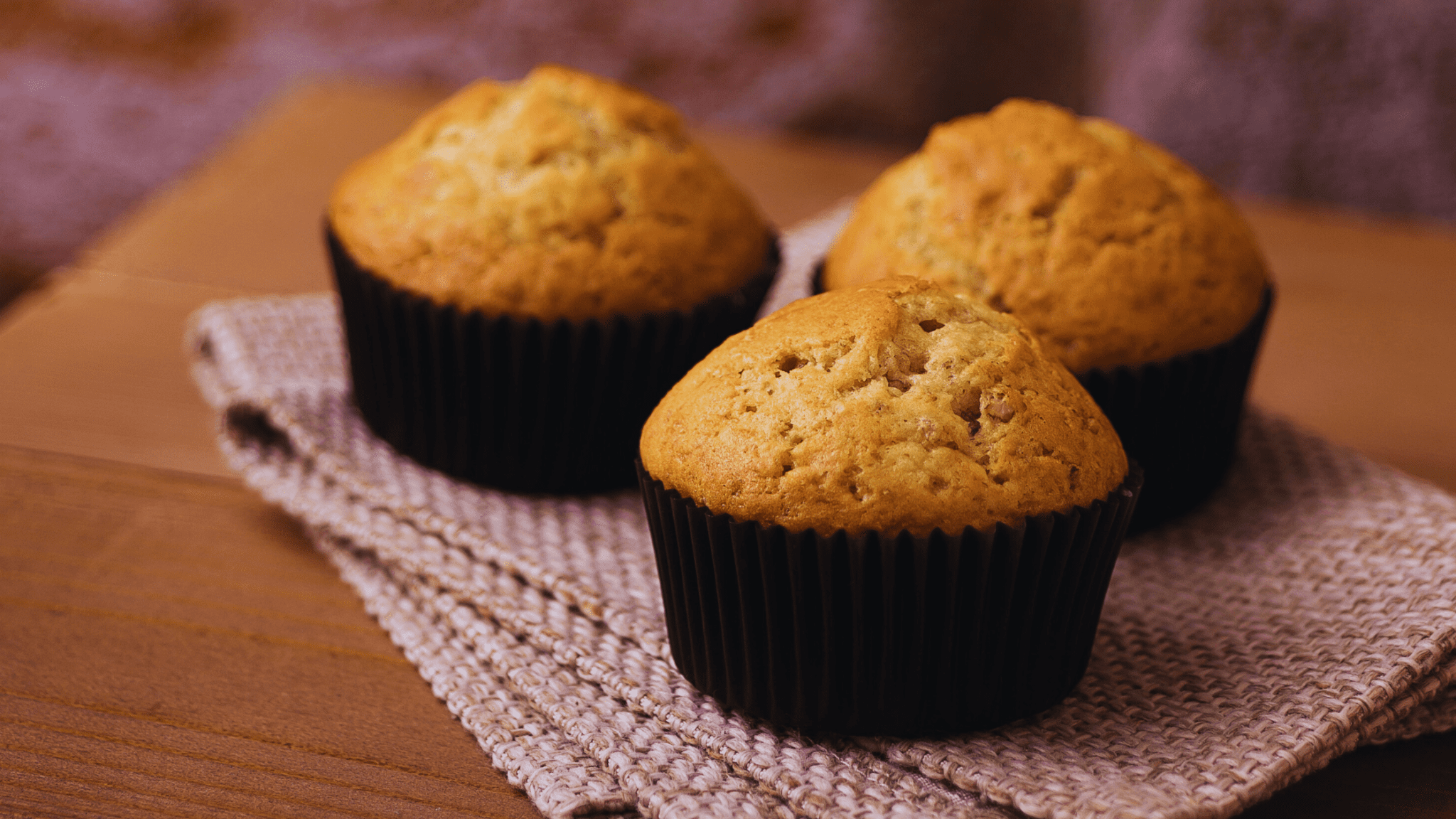
Gluten Free Banana Walnut Muffins Recipe
The Ultimate Gluten Free Banana Walnut Muffins This Gluten Free Banana Walnut Muffin recipe is the gold standard of gluten free baking…
Frequently Asked Questions
What is the most common mistake when starting a gluten free lifestyle?
The most common mistake is assuming that a product is safe simply because it does not explicitly list “wheat” as an ingredient. Ingredients derived from barley (such as malt flavouring or malt vinegar) and rye are frequent sources of accidental exposure. Always read the complete list from top to bottom.
How can a business find out how to get gluten free certification in Canada?
Food manufacturers can earn certification by partnering with an accredited third-party auditing body, such as the Gluten Free Certification Program (GFCP). This involves implementing rigorous preventative control systems, verifying ingredient supply chains, and passing routine facility inspections to ensure compliance with the strict 20 ppm standard.
Are pure oats safe to eat on a strict gluten free diet?
Regular commercial oats are highly contaminated with wheat or barley due to shared farming equipment and processing facilities. You must only buy oats explicitly labelled as “certified gluten free” or “specially produced gluten free oats.” Furthermore, some individuals with celiac disease react to avenin, a protein found naturally in oats, so it is best to introduce them slowly under medical supervision.
Can gluten be absorbed through the skin via cosmetics or shampoos?
Gluten molecules are too large to be absorbed directly through human skin. However, items that could be accidentally swallowed—such as lipstick, lip balms, toothpaste, and hand lotions used before eating—should be strictly gluten free to prevent oral ingestion.
What should I do if I am accidentally exposed to gluten?
If you are “glutened,” focus on hydration by drinking plenty of water or herbal teas. Eat simple, easily digestible whole foods like plain rice or bone broth to rest your digestive tract. Give your body ample time to rest, and consult your gastroenterologist or family physician if your symptoms are severe.