




Description
For many in the celiac disease and gluten free community, removing wheat, barley, and rye is the first step toward reclaiming health. However, a common frustration remains: “I’m gluten-free, so why do I still feel bad?”
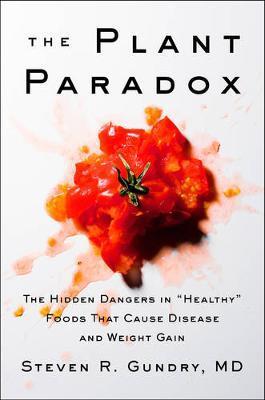
If you are still battling brain fog, joint pain, or digestive distress despite a strict gluten free diet, Dr. Steven Gundry’s The Plant Paradox might hold the answer you’ve been searching for.
The Evolution of Plant Defense
Plants, like animals, have a drive to survive and protect their offspring (seeds). While animals can run, bite, or hide, plants use “chemical warfare.” Lectins are a primary weapon in this arsenal. These large proteins are designed to bind to carbohydrates (sugars) in the bodies of predators, including humans.
Dr. Gundry describes lectins as “molecular thumbtacks.” When we consume high-lectin foods, these proteins can attach to the delicate lining of our intestines, prying apart the “tight junctions” that keep our gut barrier secure. This leads to Leaky Gut Syndrome, allowing undigested food particles and toxins to slip into the bloodstream, triggering an all-out war by the immune system. This chronic immune response is what manifests as the inflammation, weight gain, and autoimmune triggers many of us struggle with daily.
The “Gluten Free” Trap
The most eye-opening aspect of The Plant Paradox for the gluten free community is the critique of common gluten free substitutes. Many of the staples we turn to, corn, rice, quinoa, buckwheat, and legumes, are actually packed with other types of aggressive lectins. For someone with a compromised gut (common in those with Celiac or NCGS), these “safe” foods may be continuing the cycle of intestinal damage.
Dr. Gundry famously notes that brown rice is actually worse than white rice for those with sensitive guts. Why? Because the lectins are concentrated in the hull (the “healthy” brown part) which the plant uses for protection. By removing the hull, as traditional cultures have done for millennia, the lectin load is significantly reduced.
The Three Phases of Healing
The book doesn’t just identify the problem; it provides a structured solution through three distinct phases:
The 3-Day Kickstart: A strict “cleanse” designed to reset your microbiome and starve out the “bad bugs” that thrive on sugar and lectins. You’ll focus on plenty of leafy greens, cruciferous vegetables, and clean fats.
The Repair Phase: This is where the real healing happens. For at least 30 days (or longer for those with autoimmune conditions), you follow a strict “Yes” and “No” list. You’ll swap nightshades (tomatoes, peppers, potatoes) for gut-loving alternatives like avocados, olives, and mushrooms.
The Reap Phase: Once your gut has healed and your symptoms have subsided, Dr. Gundry teaches you how to safely reintroduce certain foods. He shares “hacks” like using a pressure cooker to neutralize lectins in beans or peeling and de-seeding tomatoes to make them safer to eat.
Why This Matters for the Gluten Free Journey
At Gluten Free Journey, we know that Celiac Disease isn’t just about avoiding a crumb of bread; it’s about total wellness. The Plant Paradox challenges the status quo by suggesting that a “label” (like Gluten Free) isn’t enough. By understanding the biological impact of what we eat, we can move from “surviving” on processed GF snacks to “thriving” on a diet that truly supports our biology.
Whether you are looking to lose stubborn weight, reverse an autoimmune condition, or simply clear the brain fog that has lingered for years, Dr. Gundry’s protocol offers a provocative and life-changing perspective on the “hidden” dangers in our salad bowls.
Frequently Asked Questions About This Book
1. Is the Plant Paradox diet just another name for a Paleo or Keto diet?
Not quite. While it shares some similarities (like avoiding grains and processed sugars), it differs significantly by excluding many “Paleo-friendly” foods like nightshade vegetables (tomatoes, peppers), certain nuts (cashews, peanuts), and seeds (chia, sunflower). It is more focused on the type of protein (lectins) rather than just macros.
2. I have Celiac Disease. Do I really need to worry about other lectins?
Many Celiacs find that while their gut starts to heal on a gluten free diet, they hit a plateau. Because the gut lining has been damaged by gluten, it may be hypersensitive to other lectins found in corn, soy, and nightshades. Eliminating these can often be the “final piece” of the healing puzzle.
3. Why are tomatoes and cucumbers on the “No” list?
These are botanically fruits, and their seeds and skins are loaded with lectins. Dr. Gundry explains that if you must eat them, you should always peel and de-seed them first, as that is where the majority of the “plant weaponry” is stored.
4. Can I ever eat beans again?
Yes, but preparation is key. Dr. Gundry highly recommends using a pressure cooker (like an Instant Pot), which is one of the only ways to effectively break down the hardy lectins in beans and legumes, making them safe for most people in the “Reap” phase.
5. What is the deal with A1 vs. A2 dairy?
Most modern cows in the US/UK produce A1 casein, a protein that behaves much like a lectin and causes inflammation. The book suggests switching to A2 dairy sources—such as goat, sheep, or water buffalo milk—which are much easier on the human digestive tract.
6. Is white rice really better than brown rice?
According to Dr. Gundry, yes. Traditional cultures in Asia have traditionally removed the hull (bran) of the rice for centuries. Since the lectins are stored in the hull to protect the seed, white rice is actually a “lower-lectin” starch than brown rice.

Andy –
I purchased this book a number of years ago and it was a great start to fixing my inflammation issues. I have since also purchased “Toxic Super Foods” and it was fantastic as well. Now I am essentially a pure carnivore (although I really still love maple syrup and honey). Now I am zeroing in on eliminating toxins and poisons and my health keeps getting better and better.
Start with this book – change your diet – get better – buy the next book – and keep going until your health is 100%.
You can do it!
Good Luck!