The Secret to the Perfect Gluten Free Oatmeal Cookie
Finding a gluten free oatmeal cookie that doesn’t crumble into a pile of dry crumbs the moment you take a bite can feel like a daunting task for those living with Celiac disease. Many store-bought versions are either too crunchy or lack that nostalgic, buttery chew we all crave. This oatmeal cookie recipe was developed specifically to bridge that gap, offering a treat that is indistinguishable from its gluten-containing counterparts.
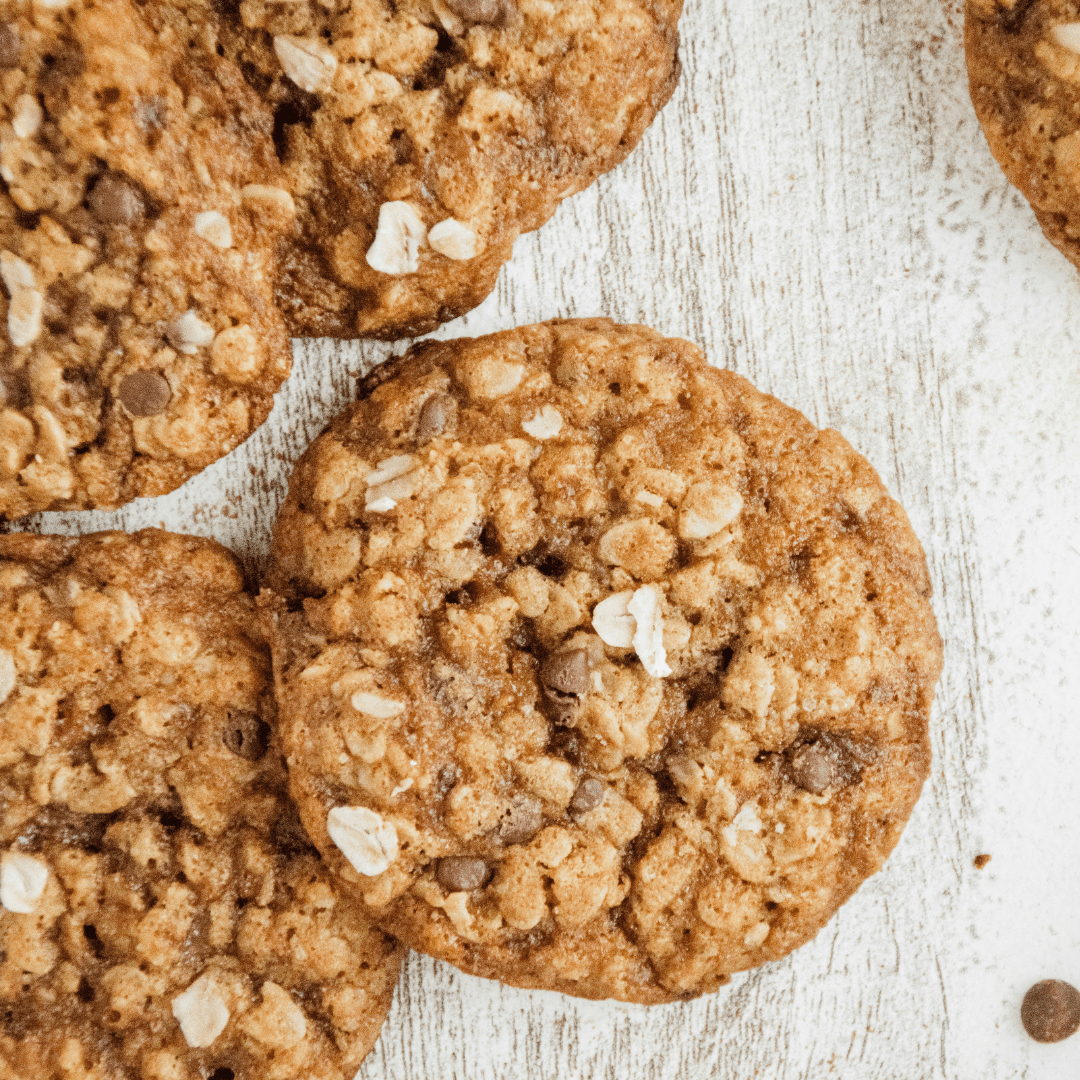
Gluten Free Oatmeal Cookies Recipe
Ingredients
- 1 cup butter - softened
- 1 cup brown sugar - light – packed
- ½ cup white sugar
- 2 eggs - large
- 2 teaspoons vanilla extract
- 1 ¼ cups all-purpose flour - gluten free
- ½ teaspoon baking soda
- 1 teaspoon salt
- 3 cups oats - quick-cooking
- 1 cup walnuts - optional
- 1 cup semisweet chocolate chips - optional
- 1 cup raisins - optional

Instructions
- Preheat your oven to 350°F (175°C) and line two baking sheets with parchment paper.
- In a large bowl, beat the butter and both sugars together until light and fluffy (about 2 minutes)1 cup butter, 1 cup brown sugar, 1/2 cup white sugar
- Add eggs one at a time to your butter & sugars mixture, followed by the vanilla. Mix well2 eggs, 2 teaspoons vanilla extract
- Whisk together the gluten free flour, baking soda, and salt in a separate bowl, then slowly add to the wet ingredients1 1/4 cups all-purpose flour, 1/2 teaspoon baking soda, 1 teaspoon salt
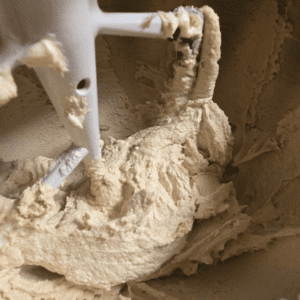
- Stir in the oats and your choice of optional mix-ins by hand until evenly distributed3 cups oats, 1 cup walnuts, 1 cup semisweet chocolate chips, 1 cup raisins
- Let the dough rest for at least 15–30 minutes. This allows the gluten free flour and oats to hydrate, preventing a gritty texture
- Scoop rounded tablespoons onto the sheets. Bake for 10–12 minutes or until the edges are golden but the centers still look a little soft
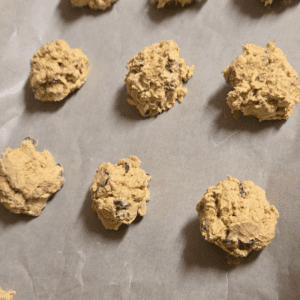
- Let them sit on the pan for 5 minutes before moving to a wire rack
Recipe Video
Nutrition
The heart of this recipe lies in the balance of moisture and structure. Gluten free flours behave differently than wheat flour; they require more hydration and a bit of patience to reach the right consistency. When you combine the earthy heartiness of oats with the rich caramel notes of brown sugar, you get a cookie that is soft in the middle, crisp at the edges, and deeply satisfying.
Why the 30-Minute Rest is Non-Negotiable
One of the most common complaints in gluten free baking is a “gritty” or “sandy” mouthfeel. This usually happens because the rice flour or starches in the gluten free blend haven’t had enough time to absorb the liquids in the dough.
By letting your cookie dough rest for at least 15 to 30 minutes before baking, you allow the oats and the flour blend to fully hydrate. This simple step transforms the texture from grainy to smooth and helps the cookies hold their shape during the baking process. If you have the time, chilling the dough for an hour can even deepen the flavor as the sugars meld with the vanilla and butter.
Choosing Your Oats Carefully
For those with Celiac disease, the type of oats you use is the most important safety consideration. While oats are naturally gluten free, they are frequently cross-contaminated in fields or processing facilities that handle wheat, barley, and rye. Always look for Certified Gluten Free on the label.
In this recipe, we use quick-cooking oats because they provide a more uniform, soft texture that binds well with the gluten free flour. If you prefer a heartier, more rustic cookie, you can substitute rolled oats, though you may find the cookie has a bit more “tooth” to it.
Creative Customizations
While the base of this cookie dough is spectacular on its own, it also serves as a canvas for your favourite additions.
- The Classic: Mix in a cup of plump raisins and a dash of extra cinnamon for that traditional bakery feel and classic oatmeal raisin cookie.
- The Decadent: Semi-sweet chocolate chips and a sprinkle of sea salt on top create a sophisticated sweet-and-salty balance, giving that oatmeal chocolate chip cookie you can’t resist.
- The Nutty: Toasted walnuts or pecans add a delightful crunch that complements the chewiness of the oats.
- The Tropical: Try adding shredded coconut and dried pineapple for a bright, summery twist.
Frequently Asked Questions
Yes! You can easily swap the butter for a high-quality vegan butter stick or refined coconut oil. If using coconut oil, ensure it is in a softened (but not melted) state to maintain the proper “creaming” texture with the sugars.
Excessive spreading usually occurs if the butter was too warm or if the dough wasn’t allowed to rest long enough. Ensure your butter is “cool room temperature”—pliant but still holding its shape. If your kitchen is very warm, chill the dough balls in the fridge for 15 minutes before sliding them into the oven.
Check your gluten-free all-purpose flour blend first. Most modern “1-to-1” or “measure-for-measure” blends already include xanthan gum. If your blend does not have it, add 1/2 teaspoon to this recipe to help provide the necessary elasticity and prevent crumbling.
Absolutely. This is a great “make-ahead” recipe. Scoop the dough into balls and freeze them on a tray. Once solid, transfer them to a freezer bag. You can bake them straight from the freezer; just add an extra 1–2 minutes to the baking time.
Store the cooled cookies in an airtight container at room temperature. To keep them extra soft for several days, place a small piece of bread (gluten free, of course!) in the container; the cookies will absorb the moisture from the bread.
⭐⭐⭐⭐⭐ Finally, a GF cookie that doesn’t crumble!
I’ve tried so many gluten free oatmeal cookie recipes that just fall apart the second you touch them, but this one is a total game-changer. The texture is perfectly chewy in the middle with just the right amount of crispness on the edges. You would honestly never know these are gluten free. My whole family couldn’t stop eating them! Highly recommend letting the dough rest for a few minutes like the recipe suggests, it makes the texture so smooth.
Hands down the best gluten-free oatmeal cookies I’ve ever made. They are soft, chewy, and packed with flavor. No weird ‘sandy’ texture or aftertaste at all. I added a handful of chocolate chips to mine and they were a massive hit. 10/10!