



Mastering the Art of the Gluten Free British Scones with gfJules
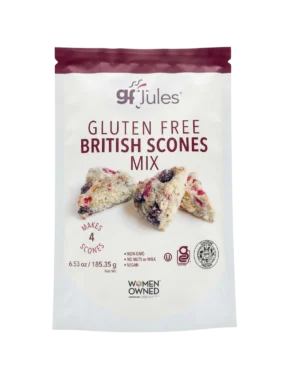
There is something inherently comforting about a warm scone, especially when it is crafted to mirror the traditions of a British afternoon tea. However, for those on a gluten free journey, finding a scone that doesn’t crumble into dust or taste like sand has historically been a challenge. The gfJules British Scone Mix solves this problem by focusing on a precision starch-to-flour ratio that prioritizes texture as much as taste.
British Scones vs. American Biscuits
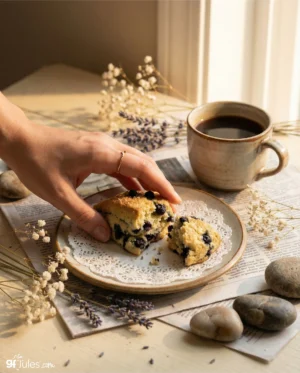
While they may look similar to the untrained eye, the British scone is a distinct pastry. While an American biscuit is often flaky, salty, and layered to accompany savory gravies, a British scone is denser, slightly sweeter, and designed to act as a vessel for jam and clotted cream. The gfJules mix captures this specific “short” texture, that delicate balance where the pastry is sturdy enough to be split by hand but soft enough to melt in your mouth.
The Secret to “No-Grit” Baking
The primary complaint with gluten free baking is the “gritty” mouthfeel caused by inexpensive, coarsely ground rice flours. This mix bypasses that issue entirely. By utilizing a blend of modified tapioca starch, potato starch, and finely milled white rice flour, the resulting scone has a crumb structure virtually indistinguishable from wheat-based versions. This makes it a “stealth” gluten free option, perfect for serving to a mixed group of diners where you don’t want to sacrifice quality for safety.
Pro-Tips for the Perfect Bake
To get the most out of your mix, temperature management is key. Gluten free dough lacks the elastic protein structure of wheat, so it relies on the expansion of fats to create lift.
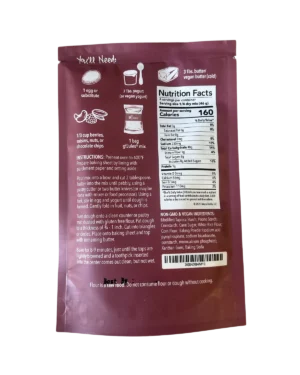
Keep it Cold: Always use cold butter (or a high-quality vegan buttery stick). When those tiny pebbles of cold fat hit the high heat of a 400°F oven, they steam and create tiny pockets of air, giving your scones a better rise.
The Yogurt Factor: This mix calls for yogurt rather than standard milk. The acidity in the yogurt reacts with the leavening agents in the mix to provide a superior “tang” and a much moister interior.
Handle with Care: When patting the dough out on your floured surface, avoid overworking it. You want to pat it to a thick 3/4-inch to 1-inch height. Since gluten free scones don’t rise quite as aggressively as wheat ones, starting with a thicker dough ensures a substantial, bakery-style finished product.
Endless Customization
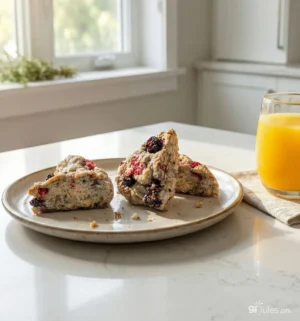
While a plain scone is a classic, this mix serves as a blank canvas. For a traditional “Fruit Scone,” fold in 1/3 cup of sultanas or dried currants. For a modern twist, try fresh blueberries and a bit of lemon zest, or even dark chocolate chips and sea salt. Because the mix is free from the Top 9 allergens, it is incredibly easy to adapt for vegan diets by simply using a flax egg and dairy-free yogurt.
Frequently Asked Questions About This Product
1. How many scones does one bag make?
The standard 5.94 oz mix makes approximately 4 large scones or 6-8 mini scones. For larger gatherings, the 6-pack or bulk options are recommended.
2. Can I make these scones vegan?
Yes! The mix itself is vegan. To complete the recipe, simply substitute the egg with a flax egg or your favourite commercial egg replacer, and use a thick dairy-free yogurt (such as coconut or almond-based Greek-style yogurt).
3. Why do my scones feel too sticky when I’m shaping them?
Gluten free dough is naturally stickier than traditional dough. To manage this, generously dust your hands and your work surface with a gluten free all-purpose flour or cornstarch. Use a light touch when patting the dough into shape.
4. How should I store leftover scones?
Scones are best enjoyed fresh and warm. However, if you have leftovers, store them in an airtight container for up to 2 days. To restore the texture, pop them in a toaster oven or microwave for 15-20 seconds before serving.
5. Is this mix safe for those with multiple food allergies?
Absolutely. It is Certified Free From the Big 9 allergens: wheat, milk, eggs, peanuts, tree nuts, soy, fish, crustaceans, and sesame. It is also processed in a dedicated gluten free facility.
6. What is the difference between this mix and a standard biscuit mix?
This mix is formulated with a higher starch content and a touch of cane sugar to achieve the specific “English” style of scone, which is finer and sweeter than a traditional savory buttermilk biscuit.


Reviews
There are no reviews yet.