Is Peanut Butter Gluten Free? A Global Guide for Canada, the US, the UK, Europe & Beyond!
For anyone living a gluten free lifestyle, pantry staples require careful scrutiny. Whether you are spreading it on morning toast, blending it into smoothies, or baking batch after batch of gluten free peanut butter cookies, peanut butter is likely a kitchen favourite. But when managing celiac disease or gluten sensitivity, whether at home or travelling abroad, a fundamental question always arises: is peanut butter gluten free?
The short answer is yes, pure peanut butter is naturally gluten free. Because peanuts, salt, and vegetable oils do not contain wheat, barley, rye, or triticale, standard peanut butter is inherently safe. However, navigating supermarket shelves across Canada, the United States, the United Kingdom, Europe, and international markets involves more than just reading the front of the jar. Cross-contamination during manufacturing, added flavourings, mix-ins, and regional allergen labelling laws mean that not every jar on the shelf is automatically guaranteed to be safe.
This comprehensive global guide explores everything you need to know about gluten free peanut butter, examining top international brands, regional labelling regulations, manufacturing processes, and specific answers to common consumer questions.
Understanding the Basics: Does Peanut Butter Have Gluten?
To understand whether does peanut butter have gluten, it helps to examine how peanut butter is made. Traditional peanut butter requires only a few basic ingredients:
- Dry-roasted peanuts
- A small amount of vegetable oil (such as peanut, palm, rapeseed, or soybean oil) to maintain texture and prevent separation
- Salt for seasoning
None of these core ingredients contain gluten. Naturally occurring proteins in peanuts are entirely unrelated to the gluten proteins found in cereal grains. Therefore, pure, single-ingredient or simple-recipes are commonly completely safe for individuals avoiding gluten.
However, many shoppers wonder: does peanut butter contain gluten due to how it is processed? The concern rarely stems from the peanuts themselves, but rather from the environment where the peanut butter is manufactured. Facilities that process wheat-based snacks, biscuits, cookies, or candies on the same equipment can introduce trace amounts of gluten through cross-contamination.
Similarly, flavoured peanut butters, such as those infused with cookie crumbles, chocolate sandwich cookie bits, pretzel pieces, or graham cracker swirls, will almost certainly contain gluten unless explicitly certified otherwise.
Regional Breakdown: Gluten Free Peanut Butters Around the World
Allergen labelling laws and brand formulations vary significantly depending on where you shop. Here is what you need to know across major global regions.
Canada
Health Canada enforces strict allergen labelling regulations requiring priority allergens, including wheat, barley, rye, triticale, and non-gluten free oats, to be declared in plain language in the ingredient list or a “Contains” statement.
- Is Kraft Peanut Butter Gluten Free in Canada?
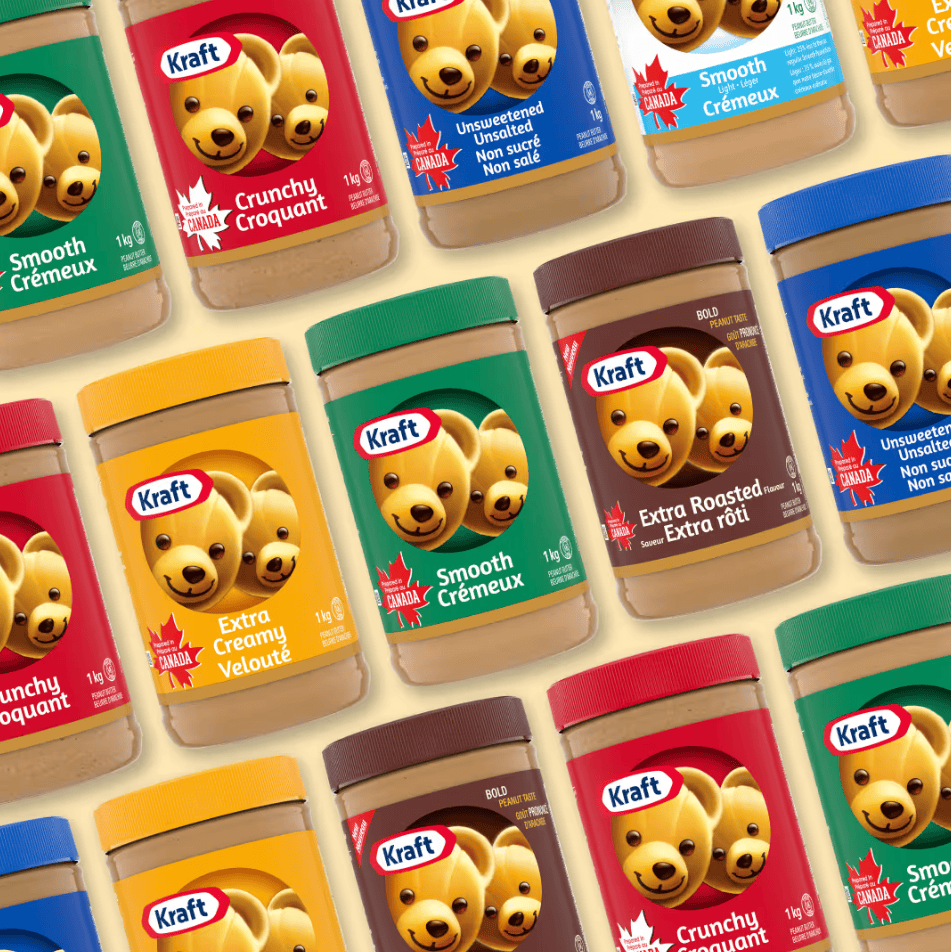
As one of the most iconic pantry staples across the country, millions of Canadians ask: is kraft peanut butter gluten free? In Canada, Kraft peanut butter is manufactured by Kraft Heinz, and classic varieties (including Kraft Smooth, Kraft Crunchy, Kraft Light, and Kraft All Natural) are formulated without gluten-containing ingredients. Many consumers specifically search for is kraft smooth peanut butter gluten free when stocking their pantries. While Kraft peanut butter yields a “no” for standard ingredients, Kraft does not carry a certified gluten free seal on every conventional jar due to shared facility practices. Always inspect the back-of-jar label for precautionary statements (“may contain wheat”). - Other Canadian Staples: Smucker’s Pure Natural, Adams 100% Natural, and store brands like President’s Choice Natural offer simple, reliable options.
The United States
In the US, the Food and Drug Administration (FDA) mandates that wheat be declared on labels under the Food Allergen Labeling and Consumer Protection Act (FALCPA), and voluntary “gluten-free” claims must meet the threshold of less than 20 parts per million (ppm) of gluten. Note that unlike Canada, barley and rye are not required to be called out in a “Contains” box in the US, making careful ingredient reading essential.
- Is Jif Peanut Butter Gluten Free? A frequent question in North America is is jif peanut butter gluten free. In the United States, the vast majority of standard Jif peanut butter varieties (including Creamy and Crunchy) are explicitly labelled “Gluten Free” and tested to meet the FDA’s under-20 ppm standard. Always check the back label on specialty or limited-edition spreads.
- Skippy: Standard Skippy peanut butter varieties are formulated without gluten-containing ingredients.
- Dedicated US Natural Brands: Justin’s, Teddie Peanut Butter, MaraNatha, and Crazy Richard’s (100% peanuts) are widely available across US grocers and maintain strong allergen controls.
The United Kingdom
In the UK, food labelling follows strict retained EU allergen rules enforced by the Food Standards Agency (FSA). All 14 major allergens, including cereals containing gluten (wheat, rye, barley, oats), must be emphasized directly within the ingredients list, typically in bold, italics, or contrasting colour. Products labelled “gluten-free” must contain 20 ppm or less of gluten.
- Popular UK Brands:
- Whole Earth: One of the UK’s leading natural brands, Whole Earth Original Smooth and Crunchy peanut butters are made with roasted peanuts, sustainable palm oil, and sea salt, with no gluten ingredients.
- Sun-Pat: Standard Sun-Pat smooth and crunchy varieties do not list gluten ingredients, though shoppers with celiac disease should always check the bolded allergen warnings on individual jars for shared-line advisories.
- Meridian & Pip & Nut: Both brands specialize in 100% nut and palm-oil-free spreads with clear allergen transparency, making them favourites among UK celiac shoppers.
Europe (European Union)
Across the EU, Regulation (EU) No. 1169/2011 governs food information. Like the UK, all cereals containing gluten must be highlighted in bold within the ingredient list. Furthermore, the European Licensing System (AOECS) oversees the Crossed Grain Symbol, which guarantees a product is tested to contain less than 20 ppm of gluten.
- Important EU Distinction: Watch out for products labelled “Very Low Gluten” (which can contain between 20 and 100 ppm of gluten and are not suitable for celiac disease). Stick strictly to “Gluten-Free” (“Sans gluten”, “Glutenfrei”, “Sin gluten”, “Senza glutine”) or jars featuring the Crossed Grain symbol.
- European Brands: Look for Calvé (Netherlands/Belgium), Whole Earth, Alnatura (Germany/Austria), and Monki organic nut butters. Always scan the bolded text for tarwe (wheat), gerst (barley), or rogge (rye).
International Markets (Australia, New Zealand & Beyond)
If you are shopping or travelling in Australia, New Zealand, Asia, or Latin America, standards vary:
- Australia & New Zealand (FSANZ): Australia and New Zealand enforce the strictest gluten free standards in the world. Under Food Standards Australia New Zealand (FSANZ), a food labelled “gluten free” must contain no detectable gluten (rather than the 20 ppm standard used in North America and Europe), and oats are never permitted in gluten free labelled products. Major brands like Sanitarium, Bega, Mayver’s, and Pic’s Peanut Butter (from New Zealand) clearly mark gluten free status on their packaging.
- Asia & Latin America: In regions where local peanut spreads may incorporate soy sauce (which often contains wheat), malt extract, or biscuit crumbs, stick to single-ingredient natural peanut butters or recognized international imports bearing verified certification seals.
Global Comparison: Quick Reference Table
| Region | Regulatory Threshold | Key Labelling Rule | Popular Safe-Ingredient Brands |
| Canada | < 20 ppm | Wheat, barley, rye & triticale must be declared in plain language. | Kraft (Classic Smooth/Crunchy), Smucker’s Natural, Adams |
| United States | < 20 ppm | Wheat must be declared; barley/rye must be spotted in ingredients. | Jif (labelled GF), Skippy, Teddie, Justin’s, Crazy Richard’s |
| United Kingdom | ≤ 20 ppm | Cereals containing gluten emphasized in bold in ingredients. | Whole Earth, Meridian, Pip & Nut, Sun-Pat (verify batch) |
| European Union | ≤ 20 ppm | Gluten grains in bold; look for the Crossed Grain symbol. | Calvé, Alnatura, Monki, Whole Earth |
| Australia / NZ | No detectable gluten | Strictest global standard; zero detectable gluten permitted. | Pic’s Peanut Butter, Mayver’s, Bega, Sanitarium |
Hidden Risks: Is There Gluten in Peanut Butter?
Regardless of where you live, asking is there gluten in peanut butter requires looking closer at product formulations. Gluten can find its way into nut spreads through several unexpected pathways:
- Mix-Ins and Inclusions: Peanut butters blended with brownies, pretzels, biscuit pieces, speculoos cookies, or cookie dough incorporate direct sources of wheat gluten.
- Industrial Shared Equipment: Factories that process grain-based snacks alongside nut butters may run the risk of residual gluten transfer unless rigorous cleaning protocols are enforced.
- Thickeners, Flavourings & Stabilizers: While rare in traditional peanut butter, some commercial spreads, discount brands, or regional Asian peanut sauces may use starch additives derived from wheat, barley malt extract, or conventional soy sauce.
Always review product ingredient labels to find hidden gluten before consumption.
Make Your Own: Simple Homemade Gluten Free Peanut Butter
When travelling internationally or simply wanting complete control over ingredients, making peanut butter at home takes less than ten minutes and guarantees a 100% safe, additive-free spread.
Ingredients:
- 3 cups (approx. 450 g) raw or dry-roasted peanuts (unsalted or lightly salted)
- 1/2 tsp sea salt (optional)
- 1 to 2 tbsp high-smoke-point oil (peanut oil or melted coconut oil, optional for extra smoothness)
- 1 tbsp honey or maple syrup (optional, for sweetness)
Instructions:
- Roast the Peanuts: If using raw peanuts, spread them on a baking sheet and roast at 180°C (350°F) for 10 to 12 minutes until fragrant and lightly golden. Let them cool slightly.
- Blend: Transfer the warm peanuts to a high-powered food processor or blender.
- Process: Pulse until the peanuts break down into a fine meal. Continue processing. The peanuts will first turn into a crumbly mixture, then release their natural oils, transforming into a thick paste.
- Adjust Texture and Seasoning: Add salt, oil, or sweetener if desired. Process for another 1 to 2 minutes until completely smooth and creamy.
- Store: Transfer to an airtight glass jar and store in the refrigerator for up to two months.
Frequently Asked Questions About Peanut Butter
Yes. Pure peanut butter made solely from roasted peanuts, oil, and salt is naturally free of gluten because peanuts are legumes, not cereal grains containing gluten.
Many individuals with celiac disease safely consume commercial peanut butters if it contains no gluten ingredients. However, those sensitive to trace cross-contamination should look for brands manufactured in dedicated gluten free facilities or bearing a regional certification symbol (such as GFCO in North America or the Crossed Grain symbol in the UK and Europe).
Classic Kraft peanut butter varieties manufactured in Canada do not contain gluten ingredients. Always check the back-of-jar label for any updated allergen advisories or “may contain” statements.
Yes, standard varieties of Jif peanut butter sold in the United States are formulated without gluten and carry a “Gluten Free” label on the back of the jar.
Popular UK options like Whole Earth, Meridian, and Pip & Nut are made without gluten ingredients. Under UK law, any gluten-containing cereal in a product must appear in bold in the ingredient list.
Under EU law, gluten-containing grains are highlighted in bold. Products labelled “gluten-free” must contain 20 ppm or less of gluten, while the Crossed Grain symbol indicates independent certification. Avoid products labelled “very low gluten,” as they can contain up to 100 ppm.
Australia and New Zealand enforce a “no detectable gluten” standard rather than the 20 ppm threshold used in North America and Europe. Brands like Pic’s and Mayver’s clearly label their gluten free status.
It depends entirely on the flavour profile. Options blended with pure cocoa or honey are often safe, whereas varieties containing cookie pieces, pretzels, speculoos, or brownie chunks contain wheat gluten.
No. Natural peanut butter typically contains fewer ingredients (often just 100% peanuts and salt), making it simpler and safer from hidden additives, provided the facility avoids cross-contamination.
No. Organic certification guarantees that ingredients are grown without synthetic pesticides, but it does not guarantee a gluten free manufacturing line. Always verify allergen statements independently.