
Navigating a celiac disease diagnosis goes far beyond swapping flour brands; it requires a complete shift in how you navigate social settings, trust food, and manage daily anxiety.
When someone is diagnosed, the conversation almost always focuses on the physical: healing the gut, reading labels, and swapping traditional wheat flour for gluten free alternatives. What rarely gets included in the initial medical folder is an honest discussion about the emotional weight that comes with this diagnosis.
Celiac disease isn’t just a change in diet; it’s an overhaul of how you interact with the world around you. Food is deeply tied to culture, family, comfort, and social connection. When eating safely suddenly requires strict vigilance, it takes a genuine psychological toll. Recognizing this mental load, and learning how to navigate it, is just as vital to your long-term health as keeping a safe, gluten free kitchen.
Mourning Your Old Normal: The Psychological Impact
Receiving a celiac disease diagnosis often brings a complex mix of relief and grief. While answers bring clarity, the reality of a lifelong, non-negotiable dietary restriction can trigger a genuine grieving process.
It is entirely normal to adjust to the loss of simplicity across several key areas:
- Grief for Convenience: Mourning the loss of spontaneity, randomly dropping into a bakery, grabbing fast food on a road trip, or saying “yes” to a dinner invitation without hours of research.
- Hypervigilance & Food Anxiety: Constantly worrying about cross-contamination can create a hyper-alert state around mealtimes, turning eating into a source of stress rather than nourishment.
- Social Isolation: Food is a core human ritual. Feeling like the “difficult” guest or opting out of gatherings to stay safe can lead to social withdrawal and burnout.
Acknowledging that these feelings are valid is the first step. Grief over a health diagnosis isn’t dramatic, it’s a natural human response to a major lifestyle shift.
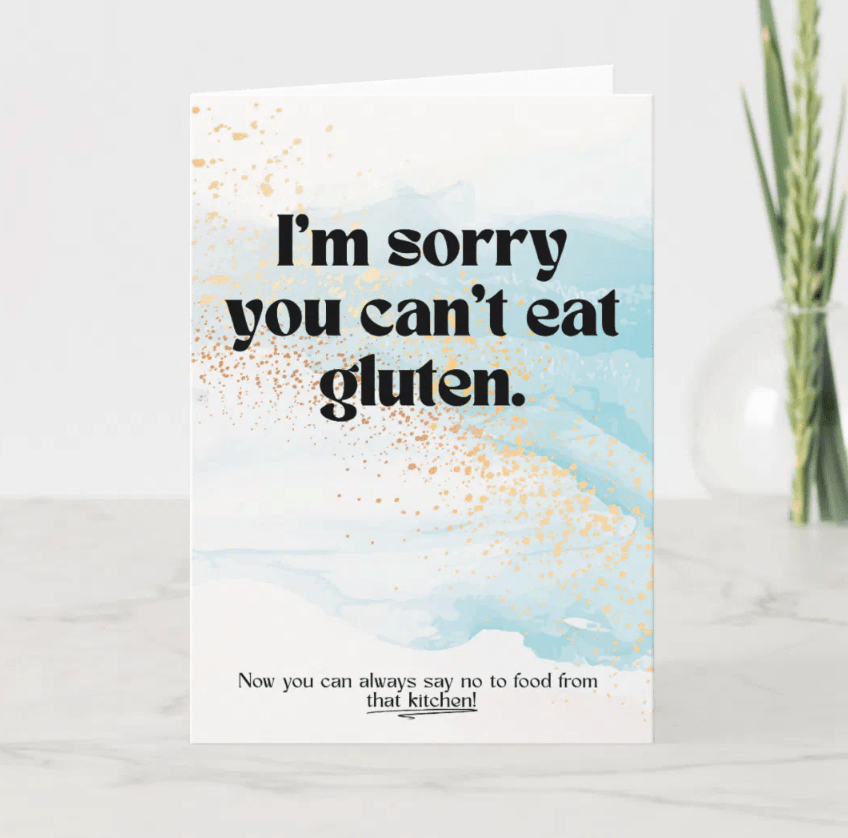
Navigating Relationships and Setting Clear Boundaries
One of the most challenging aspects of living with celiac disease is communicating its seriousness to friends, family, and co-workers. Well-meaning loved ones often confuse celiac disease with a casual dietary preference, leading to awkward or risky social situations.
Setting firm, respectful boundaries protects both your physical health and your peace of mind.
Frame Needs Around Health, Not Preferences
When declining food, remove any ambiguity or apology. Replace tentative refusals like “I’m sorry, I probably shouldn’t try that” with clear, health-focused statements:
“Thank you for thinking of me! Because I have celiac disease, even a trace amount of cross-contamination makes me ill, so I stick strictly to safe foods prepared in my own space.”
Normalize Bringing Your Own Food (BYO)
Taking control of your meals takes the pressure off both you and your host. Frame it as a convenience for everyone:
“I’m so excited to catch up! Please don’t worry about cooking anything special for me, I’ll bring my own meal so you don’t have to worry about cross-contamination, and I can just focus on enjoying the evening.”
Establish Shared Kitchen Rules
If you live with non-celiac family members or roommates, clear physical boundaries in the kitchen prevent accidental exposures. Set designated “gluten free only” zones, such as dedicated cutting boards, separate butter dishes (to prevent double-dipping knife crumbs), and a dedicated toaster.
Overcoming Celiac Disease Fatigue and Exposure Anxiety
The mental energy needed to vet every ingredient list, ask server questions at restaurants, and manage kitchen safety every day is exhausting. Over time, this daily effort can lead to burnout, often called celiac disease fatigue.
When vigilance turns into overwhelming anxiety, practical strategies can help restore balance and lessen the cognitive burden.
Build a “Zero-Thought” Meal Rotation
Decision fatigue hits hardest when you’re hungry and tired. Keep a short list of 3 to 4 simple, naturally gluten free meals that require minimal prep and zero stress, such as sheet-pan roasted vegetables with chicken, rice bowls, or simple frittatas. Relying on whole, unprocessed foods reduces the need to check complex package labels.
Choose High-Trust Establishments
If eating out triggers intense anxiety, prioritize restaurants that are 100% dedicated gluten free. Removing the possibility of cross-contamination allows you to relax and enjoy the social experience of dining out without second-guessing every bite.
Reframe Accidental Exposures
Despite every precaution, accidental exposure (getting “glutened”) will happen eventually. When it does, the physical distress is often compounded by feelings of guilt or self-blame.
Shift your mindset from frustration to recovery:
- Focus on care, not blame: Treat an accidental exposure like a minor illness or flu.
- Prioritize hydration and rest: Support your body as it heals with simple liquids, soothing teas, and adequate sleep.
- Be patient with yourself: Remind yourself that one mistake does not invalidate all the hard work you put into managing your health daily.
Prioritizing Mental Well-Being Alongside Physical Health
Managing celiac disease is a marathon, not a sprint. While mastering the gluten free diet is essential for physical recovery, extending grace and compassion to yourself is what makes the journey sustainable.
By setting healthy social boundaries, building supportive routines at home, and acknowledging the emotional weight of a chronic condition, you can transition from simply managing a diagnosis to thriving in your daily life.
Frequently Asked Questions
Why do I feel anxious about food after being diagnosed with celiac disease?
Food anxiety is a very common response to a celiac diagnosis. Because eating cross-contaminated food causes genuine physical damage, your brain enters a state of hypervigilance to keep you safe. Recognizing that this anxiety stems from a protective instinct helps you manage it using structured strategies, like choosing high-trust restaurants and establishing safe routines at home, rather than letting fear take over mealtimes.
How do I explain celiac disease to friends and family without sounding dramatic?
Focus on the medical reality rather than personal preference. Clearly state that celiac disease is an autoimmune condition where even microscopic trace amounts of gluten cause internal damage. Using firm, health-focused language, such as “For my health, I can only eat food prepared in a dedicated gluten-free space”, helps loved ones understand that your restrictions are a strict medical necessity rather than a trendy lifestyle choice.
What is celiac disease fatigue or burnout?
Celiac fatigue refers to the mental and emotional exhaustion caused by the continuous effort needed to manage a gluten-free lifestyle. Constantly reading labels, vetting restaurant menus, explaining your needs, and worrying about cross-contamination takes a cognitive toll. When burnout hits, simplifying your routine with naturally gluten free whole foods and relying on a few go-to “zero-thought” meals can give your brain a well-deserved break.
What should I do mentally and physically if I accidentally get “glutened”?
Physically, prioritize hydration, restorative rest, and gentle foods while your digestive system recovers. Mentally, practice self-compassion. Getting glutened happens to almost everyone with celiac disease at some point despite best efforts. Reframe the situation as a temporary setback rather than a personal failure, and focus purely on recovery rather than self-blame.
Is it okay to bring my own food to social events or dinner parties?
Absolute ly. Bringing your own safe food is one of the most effective ways to protect your health while staying socially connected. You can reassure your host in advance by explaining that bringing your own meal removes the stress of cross-contamination for them and allows you to focus entirely on enjoying their company.