

When the temperature drops and comfort food calls, nothing warms the kitchen quite like a steaming pot of rich beef stew. For those living a gluten free journey, finding a hearty, deeply flavourful beef stew that does not rely on wheat flour as a thickener can sometimes feel like a challenge. This easy dinner recipe redefines traditional comfort food by combining tender, slow-simmered beef chuck roast with sweet carrots, earthy potatoes, and fragrant herbs in a velvety, robust broth. Naturally gluten free from the ground up, it proves that avoiding gluten never means compromising on rich, traditional flavours and satisfying textures. Whether you are serving a cozy Sunday family dinner or meal-prepping wholesome lunches for busy weeknights, this gluten free stew recipe brings nourishing warmth and vibrant goodness to your table.
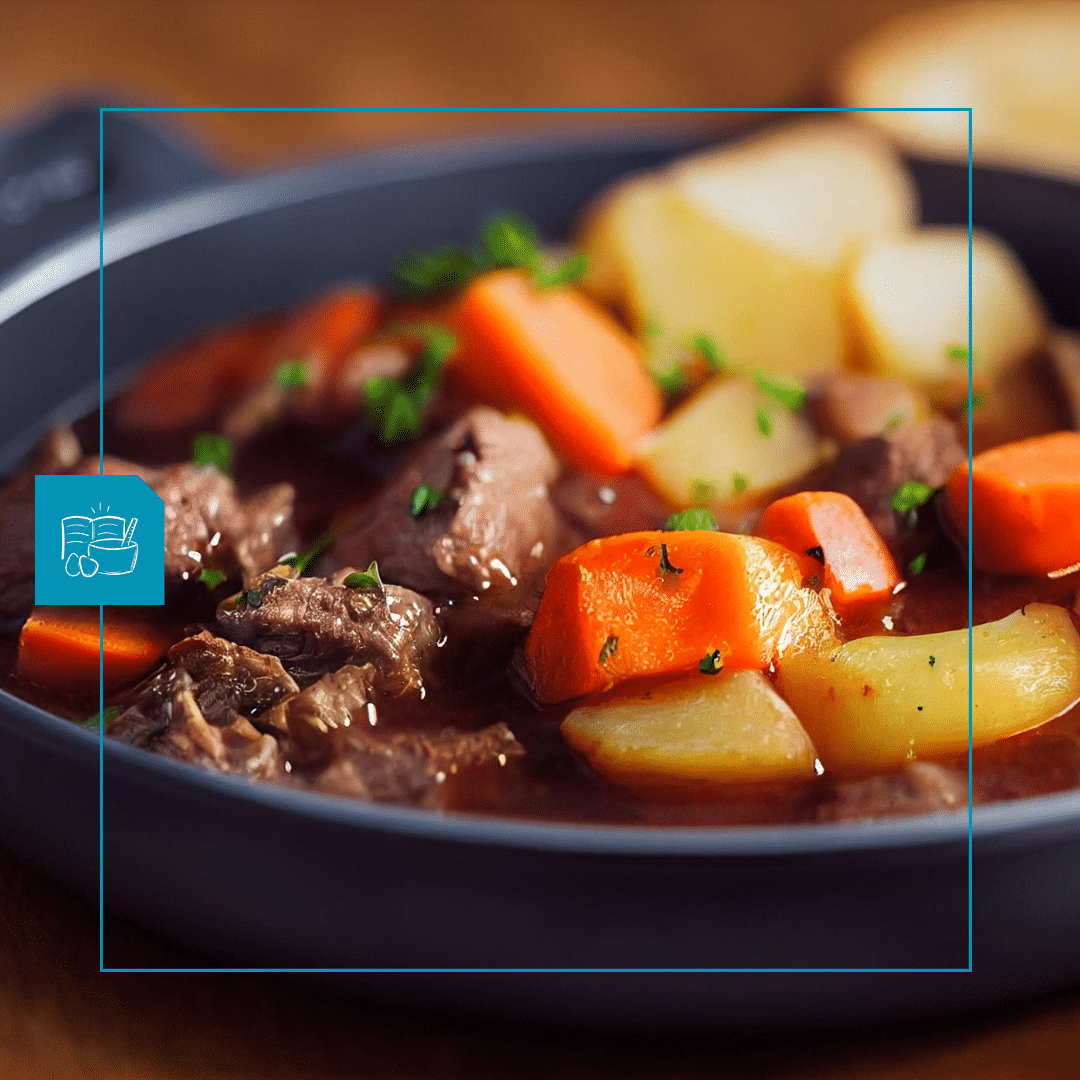
Hearty Gluten Free Beef and Sausage Stew (Stovetop & Slow Cooker Options)
Ingredients
- ½ lb pork sausage - approx. 225g certified gluten free (Italian or breakfast sausage links, sliced into 1/2-inch rounds)
- 2 lbs beef chuck roast - approx. 900g trimmed and cut into 1.5-inch cubes
- 1 tsp salt - plus extra to taste
- ½ tsp freshly ground black pepper
- 1 tbsp olive oil
- 1 yellow onion - medium diced
- 3 cloves garlic - minced
- 3 carrots - medium peeled and sliced into thick rounds
- 2 celery - stalks sliced
- 2 tbsp tomato paste
- 5 cups certified gluten free beef stock or broth
- 1 tbsp certified gluten free tamari or coconut aminos - adds deep umami depth in place of wine
- 3 medium Yukon Gold potatoes - peeled and cubed
- 2 sprigs fresh rosemary
- 3 sprigs fresh thyme
- 2 bay leaves
- 1 tbsp cornstarch mixed with 2 tbsp cold water - cornstarch slurry, optional for thickening
- fresh parsley for garnish - chopped

Equipment
- Heavy-bottomed Dutch oven (if using stovetop method)
- Slow Cooker / Crock-Pot (5 to 6-quart capacity, if using slow cooker method)
- Chef’s knife
- Cutting board
- Wooden spoon
- Measuring cups and spoons
- Small bowl (for the thickening slurry)
- Slotted spoon
Instructions
Phase 1: Searing & Flavor Base (Required for Both Methods)
- For the absolute best flavour and rich broth, searing the meats and building the aromatic base on the stovetop first is highly recommended before simmering.
- Brown the Sausage: Heat a large Dutch oven or heavy skillet over medium heat. Add the sliced pork sausage rounds and cook until nicely browned on both sides and slightly rendered, about 5 to 6 minutes. Remove the sausage with a slotted spoon and set aside, leaving the savoury fat in the pan.1/2 lb pork sausage
- Season and Sear the Beef: Pat the beef chuck roast cubes completely dry with paper towels. Season generously with 1 teaspoon of salt and half a teaspoon of black pepper. Add 1 tablespoon of olive oil to the remaining sausage fat and increase heat to medium-high. Brown the beef in small batches so it doesn't crowd the pan. Transfer browned beef to the plate with the sausage.2 lbs beef chuck roast, 1 tsp salt, 1/2 tsp freshly ground black pepper, 1 tbsp olive oil
- Sauté the Aromatics: Reduce heat to medium. Add the diced yellow onion, sliced carrots, and celery to the pan. Sauté for 5 to 7 minutes until vegetables begin to soften and onions turn translucent.1 yellow onion, 3 carrots, 2 celery
- Build the Base: Stir in the minced garlic and tomato paste, cooking for 1 to 2 minutes until the paste darkens to a deep brick-red colour. Pour in a small splash of the beef stock and the gluten free tamari, scraping up all the delicious browned bits from the bottom of the pan.3 cloves garlic, 2 tbsp tomato paste, 5 cups certified gluten free beef stock or broth, 1 tbsp certified gluten free tamari or coconut aminos
Phase 2: Choose Your Cooking Method
Option A: Stovetop Method
- Transfer the seared meats, sautéed vegetables, remaining beef stock, rosemary sprigs, thyme sprigs, and bay leaves into your large Dutch oven. Bring to a gentle boil over medium-high heat.5 cups certified gluten free beef stock or broth, 2 sprigs fresh rosemary, 3 sprigs fresh thyme, 2 bay leaves
- Immediately reduce the heat to low, cover with a tight-fitting lid, and let it simmer gently for 1.5 to 2 hours until the beef is fork-tender.
- Add the cubed Yukon Gold potatoes during the final 30 minutes of simmering.3 medium Yukon Gold potatoes
Option B: Slow Cooker Method
- Transfer all the contents from Phase 1 (including the browned meats, sautéed vegetables, and pan drippings) directly into your slow cooker.
- Pour in the remaining certified gluten free beef stock. Add the cubed Yukon Gold potatoes, fresh rosemary sprigs, fresh thyme sprigs, and bay leaves to the slow cooker. (Note: Unlike the stovetop method, potatoes can go right in at the start for a standard slow cooker timeline).5 cups certified gluten free beef stock or broth, 3 medium Yukon Gold potatoes, 2 sprigs fresh rosemary, 3 sprigs fresh thyme, 2 bay leaves
- Cover and cook on LOW for 6 to 8 hours (or HIGH for 4 to 5 hours) until the beef and potatoes are fork-tender and melt-in-your-mouth delicious.
Phase 3: Finishing & Thickening (Both Methods)
- Remove and discard the bay leaves, rosemary stems, and thyme stems from the pot or slow cooker.
- If a thicker gravy consistency is desired, whisk the cornstarch and cold water together into a smooth slurry, then stir it into the simmering stew (turn slow cooker to high if using) for the last 10 minutes until glossy and thickened.1 tbsp cornstarch mixed with 2 tbsp cold water
- Taste the stew, adjust seasoning with additional salt and pepper if needed, garnish with freshly chopped parsley, and serve hot.fresh parsley for garnish
Notes
The Secret to Unbeatable Flavour and Tender Beef
Creating a truly memorable beef stew starts long before the broth begins to simmer. The foundation of any exceptional stew lies in two critical culinary steps: proper searing and smart ingredient selection.
When choosing your cut of beef, bypass lean cuts like sirloin or tenderloin, which dry out quickly during long cooking times. Instead, opt for well-marbled beef chuck roast or blade roast. The intricate networks of intramuscular fat (marbling) and connective tissue (collagen) are your greatest culinary allies. As the beef simmers gently over low heat, this collagen breaks down into gelatin, infusing the broth with a velvety richness while rendering the meat meltingly tender.
Searing the beef cubes in a hot Dutch oven before adding liquids is another step you should never skip. This process, known as the Maillard reaction, creates a golden-brown, caramelised crust on the surface of the meat. These browned bits left at the bottom of the pot—often referred to as fond, form the aromatic bedrock of your stew’s flavour profile. Deglazing the pot with a splash of rich red wine or robust beef broth lifts these delicious deposits, ensuring every spoonful is packed with deep, savoury complexity.
Essential Ingredients for a Wholesome Pot
A balanced beef stew relies on a harmonious mix of proteins, starches, aromatics, and liquids. Here is a closer look at the key components that make this recipe shine:
- Beef Chuck Roast: Cut into uniform one-and-a-half-inch cubes so they cook evenly and absorb the rich flavours of the broth.
- Aromatics: A classic mirepoix of yellow onion, garlic, and celery creates an aromatic base layer of sweetness and depth.
- Root Vegetables: Carrots, celery, and potatoes (such as Yukon Gold or russet) provide wonderful texture and earthy sweetness. Yukon Golds hold their shape beautifully without falling apart during a long simmer.
- Tomato Paste: Adds a concentrated punch of umami and subtle acidity that brightens the heavier flavours of the beef and broth.
- Herbs and Spices: Fresh rosemary sprigs, thyme, bay leaves, and cracked black pepper infuse the liquid with herbal warmth as it cooks.
- Broth and Seasoning: High-quality, certified gluten free beef stock serves as the primary cooking medium.
Natural Gluten Free Thickening Techniques
Traditional stews often rely on all-purpose wheat flour dusted directly over the beef or whisked into a butter-and-flour roux to achieve a glossy, thick gravy. Adapting this technique for a gluten free diet is remarkably simple and yields an even cleaner, glossier finish.
Traditional stews often rely on all-purpose wheat flour dusted directly over the beef or whisked into a butter-and-flour roux to achieve a glossy, thick gravy. Adapting this technique for a gluten free diet is remarkably simple and yields an even cleaner, glossier finish.
The Cornstarch Slurry: One of the easiest and most reliable methods is using a cornstarch slurry. Whisk one tablespoon of cornstarch with two tablespoons of cold water until smooth, then stir it into the simmering stew during the last ten minutes of cooking. The heat activates the starch, creating a glossy, silky sauce without altering the pure flavours of the beef and vegetables.
Arrowroot Powder: Similar to cornstarch, arrowroot powder provides a brilliant sheen and thickens effectively at lower temperatures. It is particularly great if you plan on freezing leftovers, as it does not break down or separate upon thawing.
Natural Reduction: Simmering the stew uncovered for a portion of the cooking time allows excess moisture to evaporate naturally, concentrating the flavours and thickening the broth organically.
Serving Suggestions and Storage
This robust stew is a complete meal on its own, but it pairs wonderfully with a slice of warm, crusty gluten free artisanal bread, a dollop of mashed potatoes, or a crisp green side salad tossed in a sharp vinaigrette.
Leftovers taste even better the next day as the flavours meld further in the refrigerator. Store cooled stew in an airtight container in the fridge for up to four days, or freeze it for up to three months. Thaw overnight in the refrigerator before reheating gently on the stovetop.
Frequently Asked Questions About This Recipe
Beef chuck roast, blade roast, or boneless short ribs are ideal because their rich marbling and connective tissue break down during long simmering into tender, melt-in-your-mouth bites.
Browning certified gluten free pork sausage first renders rich fat that infuses the aromatic base with incredible rustic depth and savoury complexity, perfectly replacing the depth traditionally provided by red wine.
Yes! After searing the meats and building the aromatic base on the stovetop, transfer everything into your slow cooker along with the broth and potatoes, then cook on low for 6 to 8 hours.
You can easily thicken your stew using a cornstarch slurry, arrowroot powder mixed with cold water, or by allowing the broth to reduce naturally over low heat.
Not always, as many conventional brands contain malt vinegar or wheat. Always check labels and use certified gluten free tamari or coconut aminos instead.
On the stovetop, add your diced Yukon Gold potatoes during the final 30 minutes of cooking so they hold their shape. In a slow cooker, they can cook for the full duration without dissolving.
Yes, this stew freezes wonderfully. Store cooled leftovers in airtight containers in the freezer for up to 3 months. Thaw overnight in the refrigerator before reheating.
Reheat thawed stew slowly in a covered saucepan over medium-low heat on the stovetop, stirring occasionally, until heated completely through. Add a splash of beef broth if needed.
Many conventional broths and bouillon cubes contain hidden gluten stabilizers or wheat derivatives. Always verify that the packaging explicitly states certified gluten free.
Adding a splash of certified gluten free tamari, a tablespoon of tomato paste, and browning pork sausage first significantly enhances the rich umami profile naturally.
It pairs brilliantly with warm, freshly baked gluten free artisanal bread, creamy mashed potatoes, steamed green beans, or a crisp garden salad with a bright vinaigrette.
Yes! Diced parsnips, turnips, or sweet potatoes make fantastic, flavourful substitutes if you prefer lower-starch options or a slightly sweeter flavour profile.